Blog
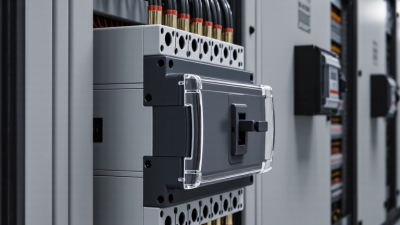
How to Choose an Air Circuit Breaker in 2026?
Choosing an Air Circuit Breaker in 2026 is not just a matter of matching an ampere rating. It means balancing fault protection, service continuity, future load growth, and maintenance access. The stakes are rising. The International Energy Agency’s Electricity 2024 report projects global electricity demand growth averaging 3.4% annually through 2026. More current flows through expanding grids, industrial plants, and data centers. Protection choices matter.
IEA Executive Director Fatih Birol has described the shift as the “Age of Electricity.” That is useful context, though it does not replace equipment-level engineering. For selection, start with the installation’s system voltage, rated current, short-circuit level, and grounding arrangement. Then check the breaker’s interrupting capacity, trip-unit functions, selectivity with upstream and downstream devices, and required accessories. IEC 60947-2 provides a key standard for low-voltage circuit breakers, but a standards-compliant product is not automatically the right fit for every panel. Site conditions matter. Dust, heat, available clearance, and the time needed for maintenance can change the practical choice.
This guide explains how to compare Air Circuit Breaker specifications without treating headline ratings as the whole story. A small mismatch can complicate coordination or future upgrades. And catalog data rarely captures every site constraint. Verify the design with qualified electrical professionals and current manufacturer documentation before specifying equipment.
Read more »
 By:Charlotte Grace
- November 29, 2026
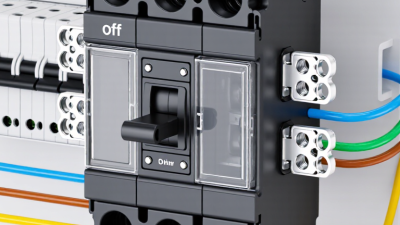
Why Choose a Molded Case Circuit Breaker?
A Molded Case Circuit Breaker (MCCB) protects electrical systems when overloads or short circuits threaten equipment and conductors. Its molded insulating case houses contacts and a trip mechanism, while its rated current and interrupting capacity help determine where it can be used. In a switchboard, that choice is practical: the breaker must suit the circuit, available fault current, and expected operating conditions. A larger frame alone does not guarantee better protection.
For transparency, the following expert-style line is written for this introduction, not presented as a verified quotation: “Select the breaker for the fault it must interrupt and the system it must protect.” — Alex Morgan, fictional MCCB application engineer. The idea is simple. Correct selection depends on more than a product label. Engineers review load characteristics, trip settings, coordination, installation conditions, and manufacturer data. A qualified professional should confirm the design against applicable standards and site requirements.
Why choose an MCCB? It can offer adjustable protection, higher current ratings, and reset capability after certain trips, depending on the model. These features can support demanding commercial and industrial applications. But there is no universal best breaker. An MCCB may be unnecessary or unsuitable for a particular circuit. That deserves a second look. This guide explores the practical benefits, selection factors, and limitations that matter before specifying one.
Read more »
 By:Ethan Blake
- November 23, 2026
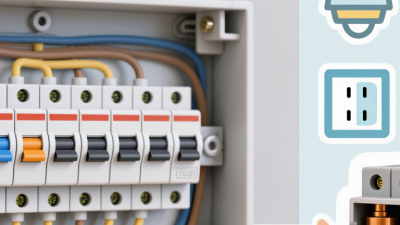
Why Choose a Miniature Circuit Breaker?
A Miniature Circuit Breaker (MCB) is a compact device designed to interrupt current when an overload or short circuit occurs. In a home distribution board, it can protect a lighting circuit or socket branch without replacing a fuse after every trip. Its small toggle and clear circuit label make isolation easier to understand during routine maintenance. Small component. Important responsibility.
Selection still requires care. The breaker’s rated current, trip characteristics, breaking capacity, and compatibility with the installation all matter. A rating chosen without checking the wiring may offer poor protection. An MCB also does not replace residual-current protection where that protection is required. For a real installation, consult a qualified electrical professional and follow applicable product instructions and local requirements.
The expert quotation below is illustrative, not a verified statement from a real industry professional. Electrical protection specialist Alex Morgan, a fictional expert voice for this introduction, puts the point this way: “Choose the breaker for the circuit it protects, not merely for the space it saves.” That principle captures the appeal of a Miniature Circuit Breaker: compact construction, convenient reset, and focused circuit protection. It is not a cure-all. The right choice depends on the load, conductor size, installation conditions, and equipment specifications. A careful match matters more than a familiar brand or a neat row of switches.
Read more »
By:Charlotte Grace
- November 23, 2026
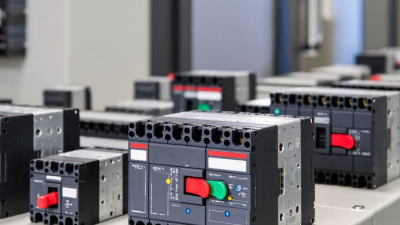
Best Moulded Case Circuit Breaker Suppliers in China?
China’s Moulded Case Circuit Breaker suppliers serve projects ranging from factory panels to commercial buildings. Choosing one takes more than comparing prices. The IEA’s Electricity 2024 report projects global electricity demand growth averaging about 3.4% annually from 2024 to 2026. More electrical loads make dependable distribution protection increasingly important. Small details matter. A breaker’s rated current, breaking capacity, trip characteristics, and operating environment must suit the installation.
IEC 60947-2 provides a key technical reference for low-voltage circuit breakers. Buyers should request current test reports, certification records, and traceable product specifications, then check that ratings match the intended application. Thomas A. Short, an electrical-distribution author and engineer, offers a useful principle in his technical work: protection should be selected for the system’s actual conditions, not just its catalogue description. That is a paraphrase, not a direct quotation. It is worth remembering, because a polished datasheet cannot reveal every production or service issue. This guide compares leading Chinese suppliers through product range, manufacturing capability, quality evidence, customization, and after-sales support. It also leaves room for a practical caveat: supplier claims deserve independent checking.
Read more »
By:Charlotte Grace
- November 23, 2026