EN info@henergyelectric.com SGS Onsite-Verified Manufacturer
SGS Verified Factory · Since 2007
Dual Power Changeover Switch Engineering Manual & Sourcing Guide
Empowering global power stability with PC & CB Class dual power changeover switches, DIN-rail ATS modules, and smart IoT grid-generator switching gear certified to IEC 60947-6-1.
Engineering Dual Power Transfer Solutions for Zero Power Interruption
A deep dive into Dual Power Changeover Switch selection, architectural classification, international standard compliance, and future-ready microgrid integration.
Understanding the Dual Power Changeover Switch: Architectural Principles & Technical Distinctions
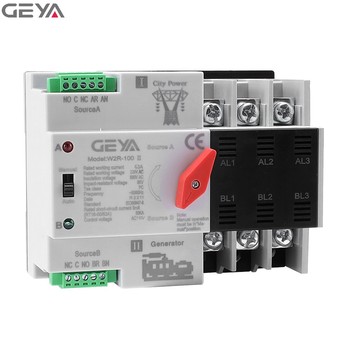
In modern industrial, commercial, and residential electrical networks, continuous power availability is paramount. A Dual Power Changeover Switch (also broadly categorized under Automatic Transfer Switches, or ATS) serves as the critical safety device that automatically or manually transfers electrical loads between a primary power source (such as the main municipal utility grid) and a secondary emergency backup source (such as a diesel generator set, photovoltaic inverter, or energy storage system - ESS).
According to international standard IEC 60947-6-1 (Low-voltage switchgear and controlgear - Part 6-1: Multiple function equipment - Transfer switching equipment), dual power transfer switches are engineered under specific operational categories that B2B procurement managers and electrical panel builders must meticulously evaluate before specifying equipment:
PC Class Dual Power Changeover Switch: Built for maximum reliability and high short-circuit withstand capabilities without integral overcurrent tripping releases. PC class switches utilize specialized silver alloy contacts designed to handle high mechanical endurance (over 10,000 switching operations) and short-time withstand currents ($I_{cw}$). They rely on upstream circuit breakers or fuses for overcurrent protection, guaranteeing that the switch contacts will never inadvertently trip open during transient overloads.
CB Class Dual Power Changeover Switch: Constructed using two mechanically interlocked circuit breakers equipped with thermal-magnetic or electronic trip units. A CB class switch provides both power transfer functionality and overcurrent/short-circuit protection in a single unit. If an overload occurs on either line, the respective integrated breaker trips independently to clear the fault.
CC Class Dual Power Changeover Switch: Employs contactor-based switching mechanisms where continuous control power or mechanical latching maintains the active circuit position.
Information Gain Note for Procurement Engineers:
Selecting between PC-Class and CB-Class dual power changeover switches depends heavily on the prospective short-circuit fault level ($I_{cp}$) of your electrical distribution board. For critical medical facilities, data centers, and telecom infrastructure, PC-Class units (like the Zhejiang Henergy Electrical Co., Ltd. HGLZ and G2R series) are preferred due to their superior contact arc chute design, fast switching times (<50ms), and zero risk of nuisance tripping under motor startup inrush currents.
Recommended Dual Power Changeover Switches for Global Procurement
As a leading specialist in Yueqing, Wenzhou—China's electrical equipment manufacturing capital—Zhejiang Henergy Electrical Co., Ltd. designs and manufactures over 400 low-voltage protection models. Below are our top-recommended Dual Power Changeover Switch series certified for international distribution and panel building:
Future Procurement Trends of Dual Power Changeover Switches (2025–2030)
As the global power sector accelerates toward decentralization, electrification of transport, and renewable energy adoption, the procurement dynamics for dual power changeover switches are evolving rapidly. Global buyers, electrical contractors, and OEM brands must align their sourcing strategies with the following technology megatrends:
1. Accelerated Integration with Hybrid Solar & Battery Energy Storage Systems (BESS)
Traditional dual power changeover switches were primarily designed for simple Utility-Grid to Diesel-Generator transfers. However, the surge in distributed solar PV installations and battery storage has created high demand for microgrid-compatible changeover switches. Next-generation changeover switches must support bidirectional power flows, ultra-fast transfer speeds (<20ms to prevent solar inverter trip-outs), and seamless integration with hybrid energy storage controllers.
Manual lever changeover switches are increasingly being replaced by intelligent IoT-enabled dual power switches. Sourcing trends highlight a growing preference for DIN-rail modular changeover switches integrated with wireless communication protocols (Tuya WiFi, ZigBee, RS485 Modbus-RTU). Facility management teams now demand live operational dashboards displaying line voltages, phase frequency, contact temperature, and total operation cycles directly on mobile smartphones or central Building Management Systems (BMS).
3. Ultra-Compact Modular Form Factors for High-Density Panel Boards
Panel builders face increasing constraints on enclosure physical dimensions. The market demand has shifted dramatically toward DIN-rail mountable, modular dual power changeover switches that match standard MCB profiles (35mm DIN rail profile). Modern designs integrate power terminals, motor actuators, and mechanical interlocks into ultra-compact footprints, saving up to 40% of panel space compared to traditional heavy industrial motorized switches.
International environmental regulations (RoHS, REACH) and corporate ESG initiatives require low-voltage component manufacturers to eliminate hazardous substances. Premium manufacturers like Zhejiang Henergy Electrical Co., Ltd. utilize V0-grade halogen-free flame-retardant polycarbonates and eco-friendly cadmium-free silver alloy contacts (AgZnO) to guarantee non-toxic operation during elevated temperature events.
Global Technology & Product Development Trends in Changeover Devices
To stay competitive, low-voltage switchgear engineering is advancing rapidly in several key technological areas:
High-Speed Electromagnetic Actuation vs. Gear-Driven Motors: Traditional motorized changeover switches utilize motorized gear trains, resulting in transfer delays between 1.5 to 3.0 seconds. Modern electromagnetic impulse drives (as deployed in Henergy's G2R series) achieve excitation switching within 30ms to 50ms, drastically minimizing voltage sags during critical source transition.
Advanced Arc Extinction Chambers: Arc suppression is the single most critical factor determining switch longevity. Engineers are adopting multi-grid copper arc chutes combined with magnetic blowout channels to rapidly stretch and extinguish electrical arcs generated during high-inductance load switching (AC-33B/AC-33iA duty).
Integrated Phase Loss & Over-Under Voltage Sensing: Modern dual power changeover switches no longer rely solely on external voltage monitoring relays. Microprocessor-based control circuits are now directly integrated onto the switch mainboard, providing autonomous sensing of phase failure, phase reversal, overvoltage, and undervoltage before triggering the transfer coil.
Enterprise Strength
Why Global Importers Partner with Zhejiang Henergy Electrical Co., Ltd.
Backed by over 18 years of specialized manufacturing experience in Yueqing, Wenzhou—China's low-voltage electrical capital.
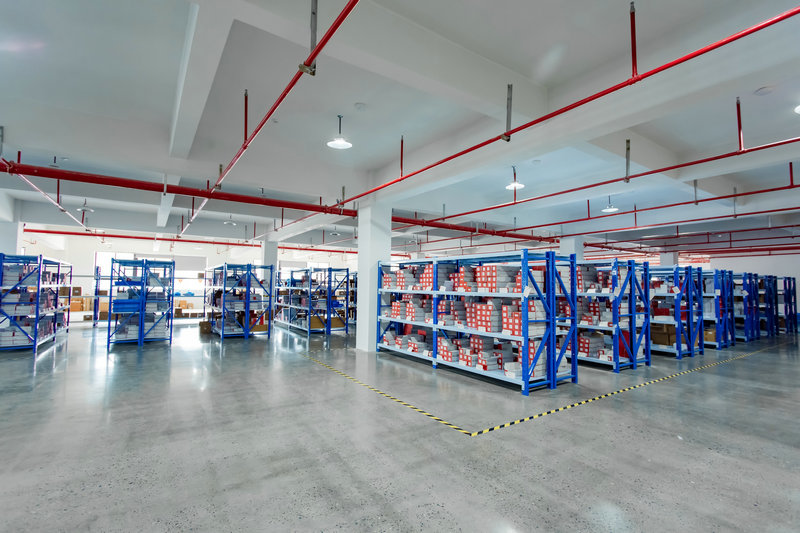
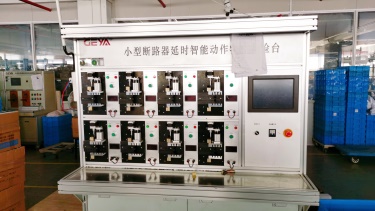
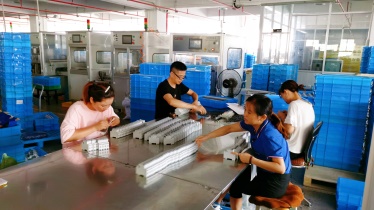
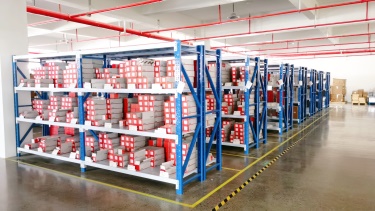
Zhejiang Henergy Electrical Co., Ltd. was established in February 2007. We are a direct, verified manufacturer—not a trading intermediary. Our manufacturing facility spans thousands of square meters in Yueqing, featuring over 10 automated and semi-automated production lines dedicated to Miniature Circuit Breakers (MCB), Residual Current Breakers (RCCB/RCBO), Molded Case Circuit Breakers (MCCB), AC Contactors, Automatic Transfer Switches (ATS), Dual Power Changeover Switches, Adjustable Voltage Protectors, and Modular Time Relays.
Our operational management is certified under ISO 9001 quality standards, and our product line holds comprehensive international approvals including CB, CE, SAA, VDE, UL, and CCEE. Every batch of dual power changeover switches undergoes rigorous 3-stage quality control: incoming raw material verification (IQC), in-process assembly inspection (IPQC), and 100% full dielectric withstand & switching performance testing before shipment.
12+ Years OEM & ODM Export Experience
SGS Onsite Verified Factory Status
Exported to 60+ Countries across Europe, Americas & Asia
Full Private Label, Packaging & Custom Voltage Support
Technical Specification Reference Matrix for Dual Power Changeover Switches
To assist system integrators and procurement engineers, the table below outlines the core technical parameters of Zhejiang Henergy Electrical Co., Ltd.'s Dual Power Changeover Switch product lines:
Technical Parameter
Modular DIN-Rail (G2R Series)
Compact Motorized (GATS-W7)
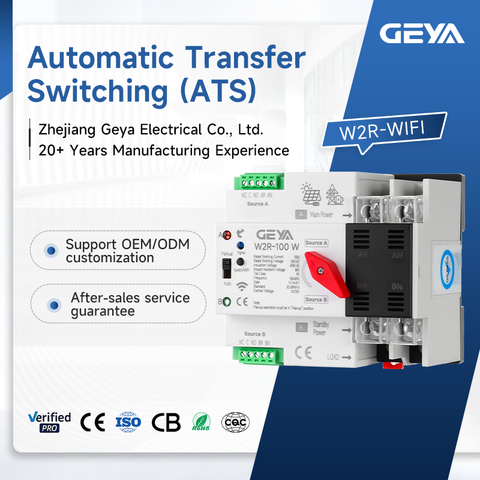
Smart IoT (W2R-WIFI Series)
Heavy PC Class (HGLZ Series)
Rated Operational Current ($I_n$)
16A, 25A, 32A, 40A, 50A, 63A
63A, 80A, 100A, 125A
16A, 32A, 63A, 100A
100A to 3200A
Number of Poles
2P, 4P
2P, 4P
2P, 3P, 4P
3P, 4P
Rated Insulation Voltage ($U_i$)
AC 690V
AC 690V
AC 690V
AC 1000V
Rated Impulse Withstand Voltage ($U_{imp}$)
6 kV
8 kV
6 kV
12 kV
Transfer Operating Time
< 50 ms
< 100 ms
< 50 ms
< 1.5 seconds
Utilization Category
AC-33iA / AC-33B
AC-33iA / AC-33B
AC-33iA
AC-33A
Compliance Standard
IEC / EN 60947-6-1
IEC / EN 60947-6-1
IEC 60947-6-1, IEEE 802.11b/g/n
IEC / EN 60947-6-1
Mounting Type
35mm Standard DIN Rail
35mm DIN Rail / Panel Plate
35mm Standard DIN Rail
Base Plate Mounting
Procurement FAQ
Frequently Asked Sourcing & Engineering Questions
Expert answers from Zhejiang Henergy Electrical Co., Ltd.'s senior application engineers to clarify common procurement, installation, and compliance inquiries.
1. How do I calculate the continuous current rating ($I_n$) and breaking capacity for a dual power changeover switch in generator-grid applications?
The continuous rated current ($I_n$) of a dual power changeover switch must be sized at a minimum of 125% of the total continuous full-load current (FLA) of the electrical system to handle thermal dissipation under continuous duty. For inductive motor loads or solar inverter switching, a safety factor of 150% is recommended. The short-time withstand current ($I_{cw}$) and rated short-circuit making capacity ($I_{cm}$) must match or exceed the maximum prospective short-circuit fault level at the point of installation, in strict compliance with IEC 60947-6-1 utilization categories AC-33iA or AC-33B.
2. What is the key technical difference between PC-Class and CB-Class dual power changeover switches?
A PC-Class dual power changeover switch is a dedicated power transfer device capable of making and withstand short-circuit currents, but it does not incorporate integral overcurrent protection (it relies on upstream fused switches or breakers). It features high mechanical endurance, fast transfer speed (<50ms), and zero tripping risk on transient surges. A CB-Class changeover switch is constructed using two interconnected circuit breakers equipped with overcurrent and short-circuit tripping mechanisms. While CB-class provides dual protection, PC-class is preferred for critical emergency power installations due to its superior contact reliability and short-circuit withstand rating.
3. How does Zhejiang Henergy Electrical Co., Ltd. prevent phase-to-phase short circuits during rapid changeover?
Zhejiang Henergy Electrical Co., Ltd. utilizes a dual mechanical and electrical interlock mechanism across all dual power changeover switch models. The mechanical interlocking arm physically prevents both power contact sets from closing simultaneously under any mechanical failure mode. Electrically, auxiliary micro-switches cut off control power to the secondary coil prior to contact movement, ensuring a break-before-make operation sequence with a guaranteed zero-overlap deadband.
4. What custom OEM/ODM options does Zhejiang Henergy Electrical Co., Ltd. offer for global importers?
We provide comprehensive OEM/ODM customization, including custom rated operating voltages (110V, 220V, 230V, 380V, 400V, 415V, 440V at 50/60Hz), custom coil actuation logic, laser-engraved brand logos, customized flame-retardant housing colors, private-label retail packaging, and customized auxiliary signal terminal configurations.
5. Which compliance standards and certificates are mandatory for importing changeover switches into Europe and Australia?
For the European Union, compliance with IEC/EN 60947-6-1 and the Low Voltage Directive (LVD) with CE marking and CB test certificates is required. For Australia and New Zealand, SAA certification compliant with AS/NZS 60947.6.1 is required. Zhejiang Henergy Electrical Co., Ltd. provides full test reports and certificate packages for seamless customs clearance.
6. Why is 4-Pole (4P) switching mandatory for systems with separate neutral earthing arrangements?
When switching between a utility grid supply and an isolated standby generator set, neutral currents can flow through unintended ground paths if the neutral conductor remains solidly tied (3-Pole switching). A 4-Pole (4P) dual power changeover switch disconnects both the phase conductors and the neutral conductor, preventing stray earth fault currents, avoiding false tripping of Residual Current Devices (RCD/RCBO), and ensuring compliance with national wiring codes.
Direct Factory Sourcing
Request Specifications & Wholesale Pricing Today
Partner with Zhejiang Henergy Electrical Co., Ltd. for factory-direct Dual Power Changeover Switches, fast technical support, and guaranteed international certification compliance.
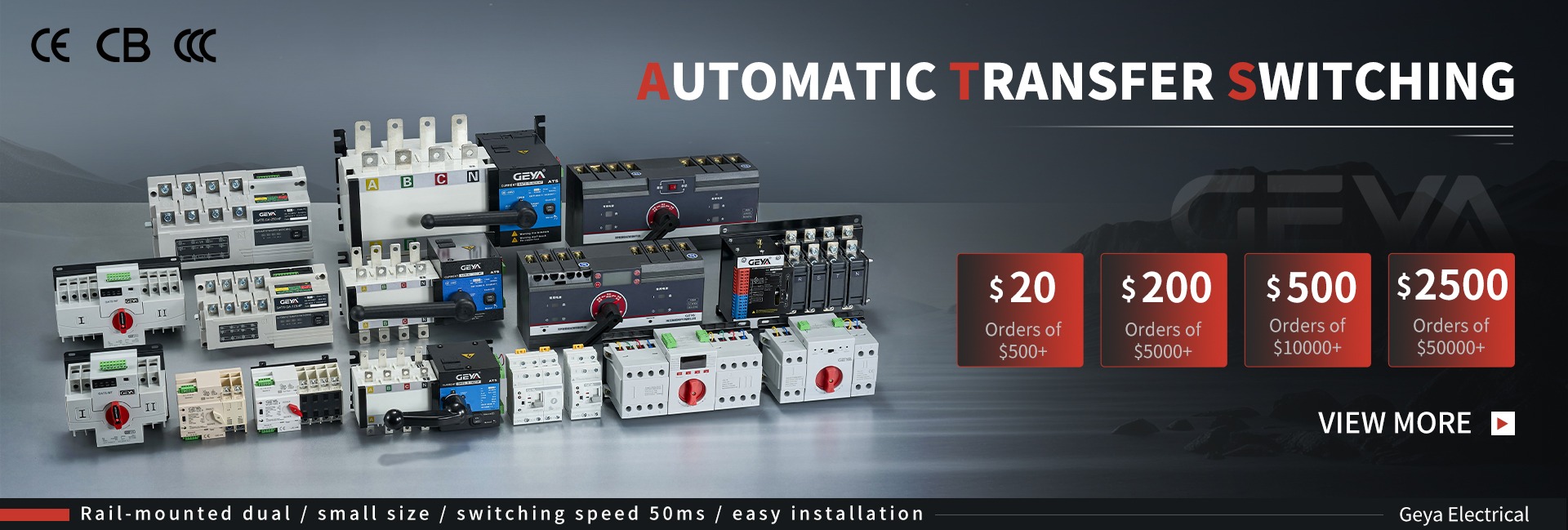


 CB / CE Certified