Choosing an Air Circuit Breaker in 2026 is not just a matter of matching an ampere rating. It means balancing fault protection, service continuity, future load growth, and maintenance access. The stakes are rising. The International Energy Agency’s Electricity 2024 report projects global electricity demand growth averaging 3.4% annually through 2026. More current flows through expanding grids, industrial plants, and data centers. Protection choices matter.
IEA Executive Director Fatih Birol has described the shift as the “Age of Electricity.” That is useful context, though it does not replace equipment-level engineering. For selection, start with the installation’s system voltage, rated current, short-circuit level, and grounding arrangement. Then check the breaker’s interrupting capacity, trip-unit functions, selectivity with upstream and downstream devices, and required accessories. IEC 60947-2 provides a key standard for low-voltage circuit breakers, but a standards-compliant product is not automatically the right fit for every panel. Site conditions matter. Dust, heat, available clearance, and the time needed for maintenance can change the practical choice.
This guide explains how to compare Air Circuit Breaker specifications without treating headline ratings as the whole story. A small mismatch can complicate coordination or future upgrades. And catalog data rarely captures every site constraint. Verify the design with qualified electrical professionals and current manufacturer documentation before specifying equipment.
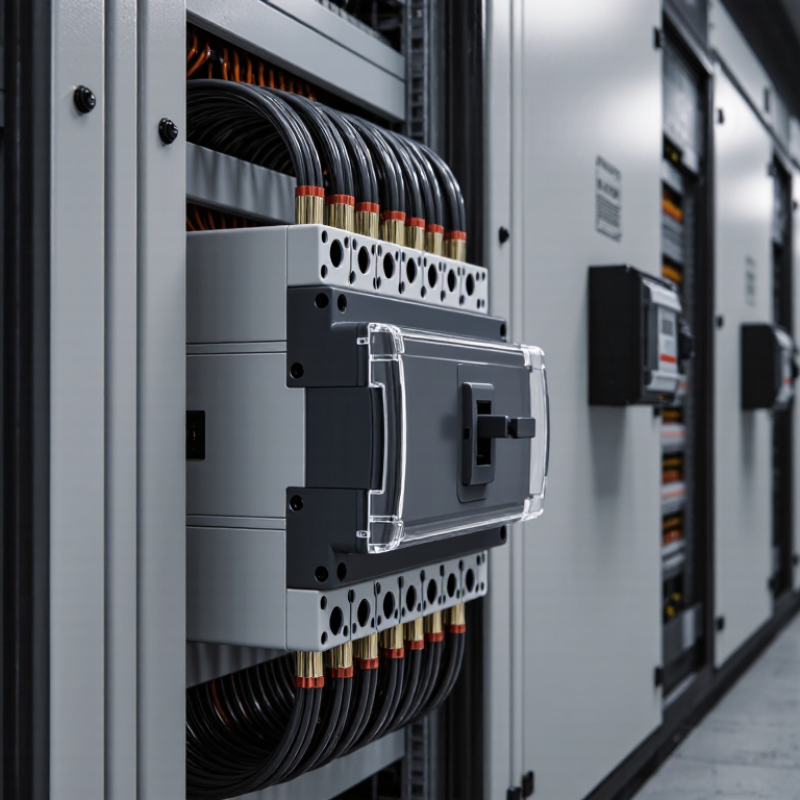
Air circuit breakers (ACBs) use air to extinguish electrical arcs when contacts open. They are commonly installed in low-voltage switchboards as main or feeder breakers in factories, commercial buildings, and large facilities. Their accessible construction can make inspection and maintenance practical. But an ACB is not automatically the right choice for every panel.
IEC 60947-2 covers circuit breakers for low-voltage equipment; selection should also account for system voltage, rated current, and the prospective short-circuit current at the installation point. Check that the breaker’s interrupting capacity is adequate, then consider trip settings, coordination with downstream devices, operating conditions, and maintenance access. The IEA’s Energy and AI report estimates that data centres consumed 415 TWh of electricity globally in 2024, with demand potentially reaching 945 TWh by 2030. That growth underlines the need for carefully engineered power distribution, though it does not determine breaker size. A common blind spot is choosing by current rating alone. A site’s actual fault level and protection study may change the decision. The panel door must still open.
Choosing an air circuit breaker starts with the system’s actual voltage, not the rating printed on an old panel schedule. Confirm nominal and maximum operating voltage, frequency, and grounding arrangement against the equipment nameplate. IEC 60947-2 sets the framework for low-voltage circuit-breaker ratings, including rated operational voltage and short-circuit performance. For example, a 400-volt system needs a breaker rated for that voltage and its operating conditions. Small margins matter. Check the installation altitude, enclosure temperature, and nearby heat sources; a crowded cabinet can reduce usable continuous-current capacity.
Next, establish continuous load current from measured demand or a documented load calculation, then account for starting surges and future additions. Do not simply match the breaker to the transformer nameplate. Short-circuit capability needs equal care: IEEE Std 3002.3-2018 describes short-circuit studies used to estimate available fault current at equipment locations. Compare that calculated value with the breaker’s interrupting rating at the applicable voltage. Also check its short-time withstand and selectivity with upstream and downstream protection. A 50-kiloamp rating is not automatically adequate if the study predicts more at the terminals. Recheck cable length and transformer impedance; small assumptions can change the result. I would verify the final settings against field conditions, since drawings are not always current.
How to Choose an Air Circuit Breaker in 2026?
Protection functions should match the installation’s load, fault levels, and coordination study. Long-time protection responds to sustained overloads; short-time and instantaneous settings address short circuits at different speeds. Ground-fault protection may also be needed, depending on the system design. Settings that are too sensitive can cause unwanted trips. Settings that are too slow may leave cables and equipment exposed. A qualified electrical professional should verify the choices against the breaker’s documentation and the site’s operating conditions.
Operating features matter just as much. Consider whether manual or electrical operation suits the panel and how often switching is expected. A draw-out design can make inspection and replacement easier, but it needs suitable space and correctly managed interlocks. Clear trip indicators help technicians identify what happened after an outage. Remote status or trip data can support monitoring, though it adds setup and maintenance requirements. One detail is easy to miss: confirm that the breaker fits the enclosure and that staff can safely access its controls. That matters.
Tips: Record the actual load and available fault current before comparing models. Check protection coordination with upstream and downstream devices. Keep settings documented. Field conditions can surprise you. Revisit the selection when loads, cables, or operating practices change.
Choosing an air circuit breaker in 2026 starts with the standards accepted for the project and location. Check the applicable edition of IEC 60947-2 or UL 1066, along with local approval and inspection requirements. Do not rely on a catalogue symbol alone. Confirm that the device’s rated voltage, current, and interrupting capacity match the system’s documented values. A fault rating that falls below the available short-circuit current is not an acceptable compromise. Small details matter. Have a qualified engineer verify calculations and protection settings against the project design.
Installation conditions can change performance. Check ambient temperature, altitude, humidity, dust, enclosure ventilation, mounting orientation, and required electrical clearances. A breaker in a hot, crowded cabinet may need derating or a different enclosure arrangement. Compatibility goes beyond fitting the busbar. Verify the frame size, trip unit, control voltage, auxiliary contacts, operating mechanism, and connection dimensions. Then review coordination with upstream and downstream protective devices, so a fault does not unnecessarily disconnect a wider area. Paper ratings can look reassuring; they are not the whole story. In practice, drawings and site conditions sometimes disagree, so record the discrepancy and resolve it before installation rather than forcing a near fit.
An air circuit breaker may have a modest purchase price but a costly service life. Compare the expected years of operation, switching frequency, and fault-clearing requirements. Include inspection labor, testing, replacement parts, and the cost of downtime. A delayed restart can outweigh years of small maintenance savings. Real conditions vary.
Maintenance needs depend on the breaker’s design and operating environment. Dust, heat, humidity, and frequent operation can affect inspection intervals and component wear. Ask what routine checks involve, including trip-unit testing, contact inspection, and mechanism servicing. Follow the equipment manufacturer’s maintenance schedule rather than relying on a generic interval. Plans that look simple on paper may take longer in a crowded switchroom.
Supplier support matters when a breaker needs testing, parts, or troubleshooting. Request clear details about response times, technician availability, spare-part lead times, and access to technical documentation. Confirm that local service staff can work with the selected ratings and protection settings. A low quote is not the whole comparison. Lifecycle estimates are imperfect, especially when future load patterns are uncertain, so record your assumptions and review them before purchase.
| Evaluation area | What to compare | Lifecycle-cost effect | Evidence to request |
|---|---|---|---|
| Initial purchase | Rated current, rated voltage, interrupting capacity, number of poles, and required protection functions. | The lowest purchase price may not include the trip unit, communication options, accessories, or the required short-circuit rating. | A like-for-like quotation and product data sheets showing ratings and included accessories. |
| Installation and switchgear fit | Fixed or withdrawable construction, enclosure dimensions, busbar connections, control wiring, and compatibility with the existing assembly. | A replacement that requires busbar, enclosure, or control-circuit modifications can increase labor and outage costs. | Dimensional drawings, connection details, interface requirements, and a site-specific installation scope. |
| Protection and coordination | Long-time, short-time, instantaneous, and ground-fault functions where applicable; settings range; selectivity with upstream and downstream devices. | Incorrect settings or poor coordination can cause unnecessary trips or increase the area affected by a fault. | Protection curves, trip-unit documentation, and a coordination study based on the installation’s system data. |
| Routine maintenance | Inspection, cleaning, connection checks, mechanism operation, and trip-unit or protection-system testing as specified for the model and operating conditions. | Labor, test equipment, access requirements, and the outage needed to perform work contribute to recurring costs. | The model-specific maintenance manual, recommended inspection tasks, and any condition-based maintenance guidance. |
| Downtime exposure | Whether the installation can use a spare breaker, how quickly a unit can be isolated or replaced, and the operational impact of an outage. | For critical loads, the cost of lost production or service may exceed the equipment and maintenance cost. | A site outage-cost estimate, replacement procedure, and confirmation of spare-unit compatibility. |
| Spare parts and repairs | Availability of model-specific operating mechanisms, trip units, auxiliary contacts, coils, and other service parts. | Long lead times can extend outages; stocking critical parts adds inventory and storage costs. | Parts list, quoted lead times, repair options, and written information on product support and replacement compatibility. |
| Supplier and technical support | Access to application engineering, commissioning assistance, troubleshooting, training, and local service coverage. | Clear support arrangements can reduce troubleshooting delays and unplanned service costs. | Written service scope, response-time commitments, service-area details, and commissioning or training charges. |
| Monitoring and communications | Available metering, alarms, event records, communications protocols, and integration requirements for the site’s monitoring system. | Added electronics and integration may increase upfront cost, but useful data can support fault analysis and maintenance planning. | Feature list, protocol documentation, licensing or gateway costs, and confirmation of system compatibility. |
| End-of-support risk | Product status, parts support, repairability, and the availability of a compatible replacement strategy. | Limited support can lead to longer outages or a premature switchgear replacement. | Current product-status statement and written information on parts, repairs, and successor compatibility. |
| Lifecycle cost check: Compare purchase price + installation and commissioning + planned maintenance + spare parts and repairs + expected outage cost. Use the same evaluation period, site assumptions, and scope for every quotation. Maintenance tasks and intervals depend on the specific breaker, manufacturer instructions, and service conditions. | |||
Match settings to the load, fault levels, and coordination study. Long-time protection handles sustained overloads. Short-time and instantaneous settings respond to short circuits. Small differences matter.
It depends on the system design and project requirements. A qualified electrical professional should confirm whether it is suitable.
Sensitive settings may cause unwanted trips. Slow settings may leave cables and equipment exposed. Neither is ideal.
Consider the panel layout and expected switching frequency. Frequent operation may call for different features. Check how staff will reach the controls.
It can make inspection and replacement easier. The panel needs enough space, and interlocks must be managed correctly. Space is easy to overlook.
Confirm the accepted project standards and local inspection requirements. Verify rated voltage, current, and interrupting capacity against documented system values.
Check temperature, altitude, humidity, dust, ventilation, mounting orientation, and electrical clearances. A hot, crowded cabinet may require derating or a different arrangement.
Check the frame, trip unit, control voltage, auxiliary contacts, operating mechanism, and connection dimensions. A near fit is still a problem.
Record actual load and available fault current. Document settings and coordination checks. Revisit the selection when loads, cables, or operating practices change. Site drawings can disagree; that deserves a closer look.
Choosing an Air Circuit Breaker in 2026 starts with understanding the electrical system it will protect and the conditions in which it will operate. Assess the system voltage and expected current, then confirm that the breaker can safely interrupt the prospective short-circuit current. Consider which protection functions are needed, such as overload, short-circuit, and earth-fault protection, along with operating features that suit the application, including adjustment options, monitoring, and coordination with other protective devices.
Before making a selection, check applicable technical standards, installation requirements, environmental conditions, and compatibility with the switchgear and connected equipment. Look beyond the initial purchase price by comparing expected service life, inspection and maintenance needs, replacement considerations, and the availability of technical support and spare parts. A well-matched breaker balances reliable protection, practical operation, and long-term ownership costs.