Top-Tier Electricity Consumption Meters & Protection Devices
Precision-engineered modular components certified for global utilities, industrial automation, and smart grid integration serving Gwangju’s high-tech manufacturing sector.



1. Strategic Outlook: Electricity Consumption Meter Demand in Gwangju’s Smart Grid Ecosystem
Gwangju Metropolitan City, situated in southwestern South Korea, has rapidly emerged as a pivotal hub for the nation's green energy transition and digital grid modernization. Driven by the regional development of the Bitgaram Energy Valley in partnership with KEPCO (Korea Electric Power Corporation), the municipality is aggressively transitioning toward decentralized microgrids, smart building energy management systems (BEMS), and AI-driven data centers. Consequently, the demand for precision electricity consumption meters, IoT-enabled DIN-rail smart switches, and modular circuit protection devices serving Gwangju-based enterprises has escalated exponentially.
Modern electrical procurement in Gwangju requires equipment that transcends basic energy tallying. Local system integrators, electrical panel builders, and industrial construction contractors demand multi-functional metering hardware capable of real-time telemetry, bi-directional renewable monitoring (for rooftop solar PV arrays), high harmonic distortion resistance, and seamless integration with RS485 Modbus or wireless IoT protocols. Partnering with a specialized electricity consumption meter factory that offers direct OEM engineering support ensures that projects in Gwangju adhere strictly to technical efficiency guidelines while maintaining cost-competitiveness.
Technical Insight for Gwangju Buyers: South Korea’s standard low-voltage grid operates at 220V (single-phase) and 380V (three-phase) at 60Hz. Electricity consumption meters dispatched to Gwangju must be rated for 60Hz operation with high immunity to electromagnetic interference (EMI), matching local regulatory compliance (KC/KS benchmark standards) and high ambient humidity variations encountered across Jeollanam-do.
2. Technical Architecture of Modern Electricity Meters & Distribution Protection
To meet the complex technical specifications outlined by Korean engineering firms, advanced sub-metering systems utilize modular DIN-rail architectures. Below is an overview of the key components required in state-of-the-art power monitoring assemblies:
IoT & Smart Metering
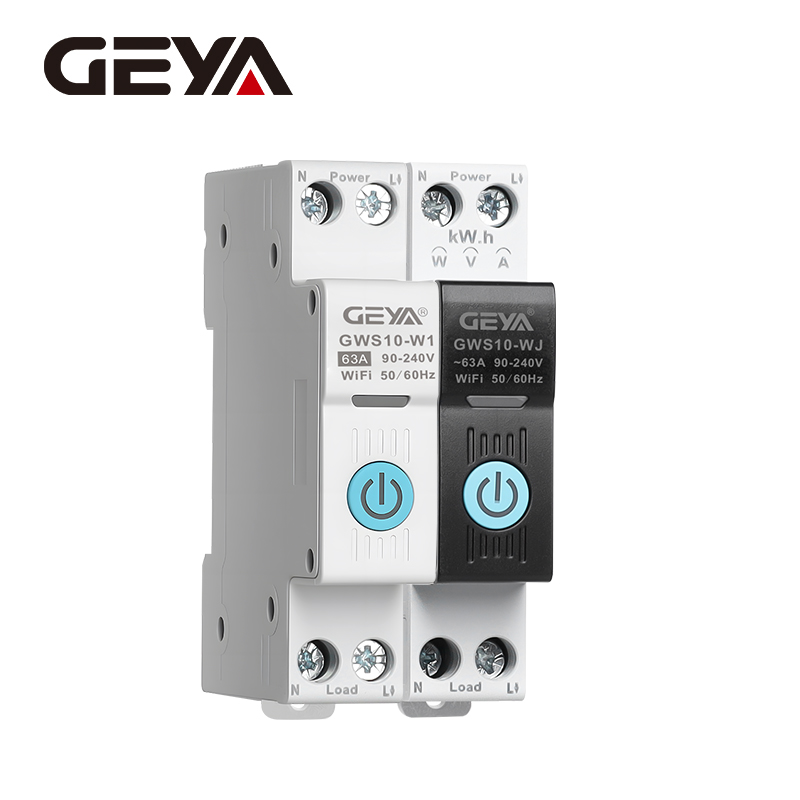
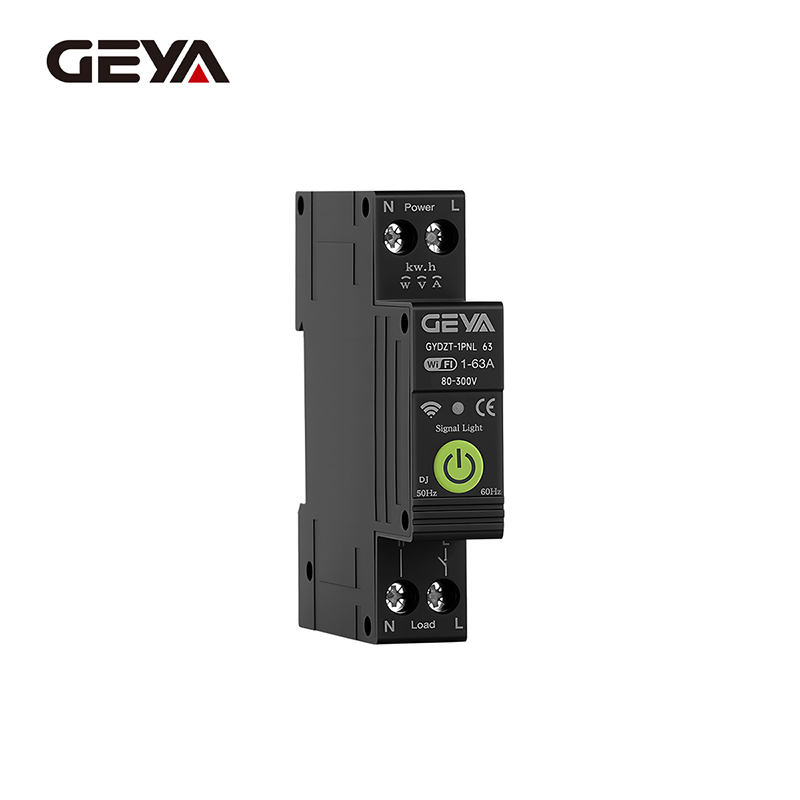
Equipped with integrated Wi-Fi, Zigbee, or Modbus-RTU channels, smart consumption meters communicate telemetry data continuously to centralized cloud dashboards, enabling real-time tenant billing and load curve analysis.
Multi-Protection RCBO/SPD
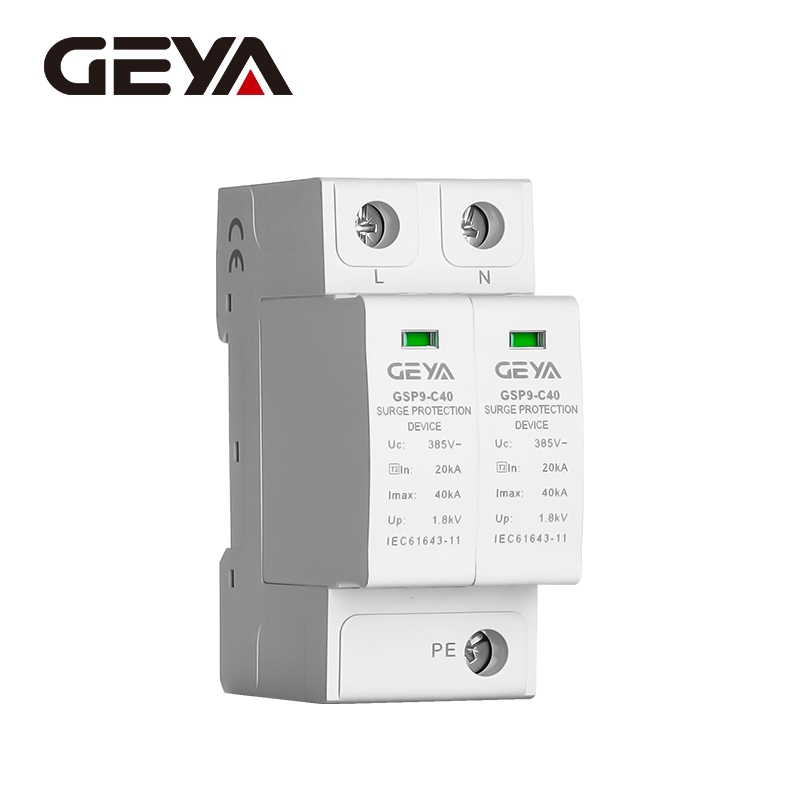
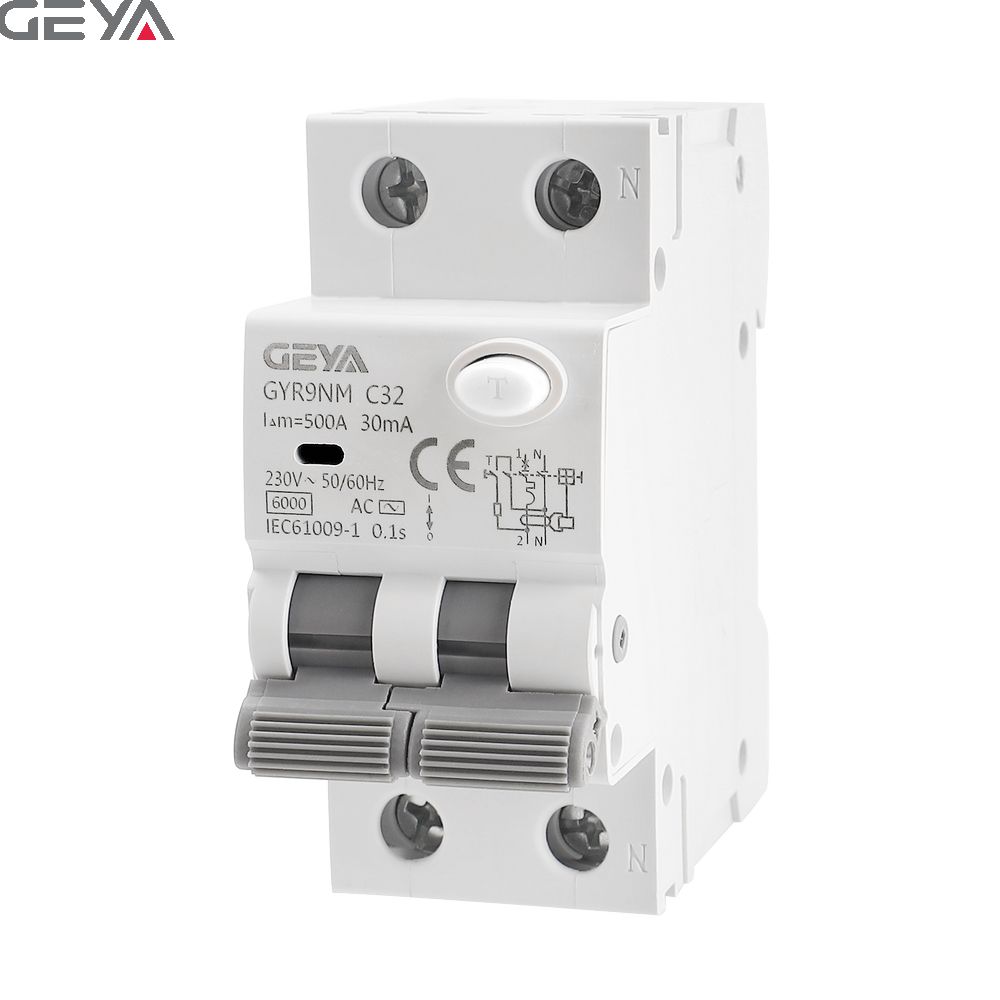
Smart meters operate alongside Type 2 surge protective devices (SPD) and Residual Current Breakers with Overcurrent Protection (RCBO) to prevent electrical fires and safeguard sensitive electronic metering chips.
Automatic Transfer Switches
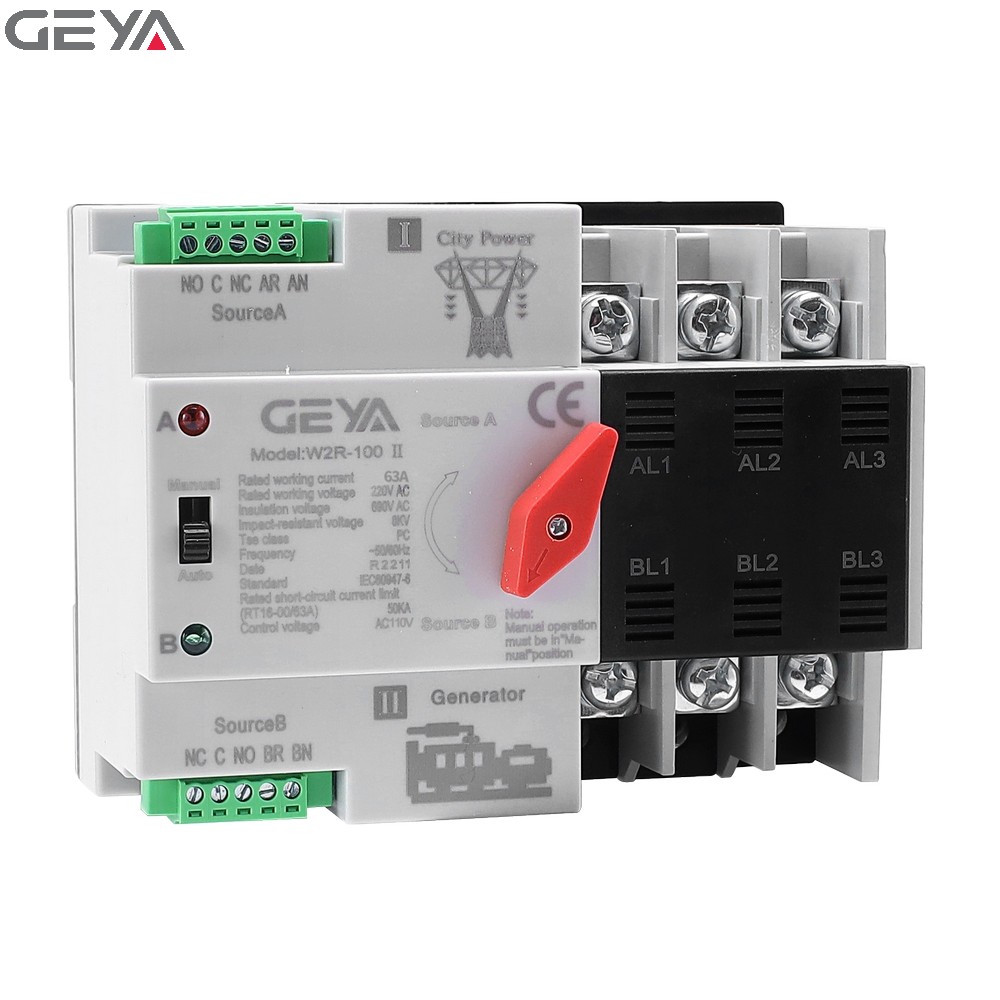
Dual-power ATS units ensure continuous power delivery to meter data concentrators and critical loads by switching flawlessly between primary grid power and auxiliary generator/battery reserves.
3. Localized Application Scenarios serving Gwangju’s Key Sector Projects
Our OEM factory direct supply chain serves diverse commercial and industrial application sectors throughout Gwangju and neighboring industrial complexes:
A. Smart Commercial Real Estate & Multi-Tenant Metering
In high-density commercial areas like Sangmu District and 첨단지구 (Cheomdan District), real estate managers rely on sub-metering networks to allocate energy costs accurately among office tenants. Utilizing DIN-rail mounted smart meters such as the GEYA GWS10 Series allows facility managers to collect power metrics automatically via wireless networks without manual meter reading, lowering operational expenditures by up to 40%.
B. Solar Photovoltaic (PV) & Energy Storage (ESS) Integration
Jeollanam-do and Gwangju lead South Korea in utility-scale solar generation. Electricity meters serving PV plants require bi-directional measuring (import/export energy logging) alongside high-capacity DC Surge Protection Devices (such as the GSP10-C40PV rated up to 1500VDC). This combination protects inverter circuits while registering green energy credits accurate to Class 1.0 energy measurement standards.
C. High-Tech Industrial Plants & AI Data Clusters
With Gwangju positioning itself as an AI industrial centerpiece, data centers and automotive manufacturing plants demand uninterrupted high-quality power. Dual-power Automatic Transfer Switches (e.g., GEYA W2R 3-Phase ATS) paired with active over-voltage monitoring relays guard energy monitoring cabinets against phase failure, brownouts, and voltage sags.
4. Engineering Standard Specifications for Gwangju Procurement
When specifying low-voltage metering and protection equipment for municipal or commercial tenders in Gwangju, engineering teams must evaluate key electrical parameters. The table below outlines standard factory specifications:
| Product Line Category | Rated Voltage (Ue) | Current Rating (In) | Breaking Capacity / Surge (Icn/Imax) | Primary Compliance Standard |
|---|---|---|---|---|
| Smart Metering Breakers (WiFi/Zigbee) | AC 90V – 240V (60Hz) | 1A to 63A (Adjustable) | 6kA (IEC 60898-1) | IEC/EN 60898-1, CE, CB |
| AC Surge Protective Devices (SPD) | 275V / 385V / 440V AC | 20kA (In) | 40kA (Imax Class T2) | IEC/EN 61643-11 |
| Solar PV DC Surge Protectors | 600V / 1000V / 1500V DC | 20kA (In) | 40kA (Imax Class T2) | EN 50539-11, IEC 61643-31 |
| Automatic Transfer Switches (ATS) | 110V / 220V / 380V AC | 16A to 125A (2P/3P/4P) | 50kA Rated Short-Circuit | IEC/EN 60947-6-1 |
| Residual Current Breakers (RCBO) | AC 230V / 240V | 6A to 40A | 30mA / 100mA Leakage Trip | IEC/EN 61009-1, SAA, CE |
5. Key Trends Shaping Energy Metering Sourcing in South Korea (2025–2030)
As South Korea accelerates its 2050 Carbon Neutrality strategy, buyers in Gwangju are adopting several forward-looking technology trends:
- Transition to Active IoT Sub-Metering: Passive mechanical meters are being rapidly phased out in favor of intelligent, app-controlled DIN-rail switches capable of remote load-shedding during peak tariff hours.
- Enhanced Enclosure Fire Safety: High-density distribution boards in Gwangju's automated factories are increasingly embedding compact aerosol fire suppression modules (such as the GQRR-L0.01G) to mitigate risk in unattended remote switchrooms.
- Harmonization of International Standards: Korean buyers increasingly request equipment manufactured under ISO 9001 certified conditions with complete CB Scheme testing documentation to facilitate local KC certification overlays.
6. Factory Excellence & Enterprise Advantages serving International Buyers
Zhejiang Henergy Electrical Co., Ltd. (operating advanced manufacturing bases supplying GEYA equipment series) is an SGS onsite-verified low-voltage electrical product manufacturer established in 2007. Located in Yueqing, Wenzhou—China’s premier electrical apparatus manufacturing cluster—our factory spans state-of-the-art facilities equipped with over 10 dedicated production lines.
Unlike trading intermediaries, we control the entire production cycle from raw material quality assurance to automated assembly, calibration, and final dielectric testing. Our manufacturing strengths include:
Strict 3-Stage Quality Control
Every meter, breaker, and ATS undergoes incoming material verification, online 100% automated calibration, and pre-shipment functional testing supervised by engineers with 5+ years of domain expertise.
Robust OEM / ODM Flexibility
We provide full customization services, including private-label branding, customized enclosure colors, bespoke voltage trip curves, firmware modifications, and tailor-made packaging for global distributors.
International Certification Matrix
Our complete product portfolio holds recognized global approvals including ISO 9001, CE, CB (IECEE), SAA, UL, and VDE test compliance, streamlining customs clearances and project acceptance.
Frequently Asked Questions for Local & International Buyers
Comprehensive technical and commercial procurement answers for engineers and sourcing managers purchasing for projects serving Gwangju.
How do your electricity meters and smart breakers adapt to South Korea's 60Hz grid frequency?
All our electricity metering breakers, ATS units, and surge protectors are engineered with dual 50Hz/60Hz frequency compatibility. Sampling chips inside our smart meters (such as the GWS10 and GYDZT series) are calibrated specifically to maintain Class 1.0 accuracy under 60Hz single-phase (220V) and three-phase (380V) operational parameters standard in Gwangju and across South Korea.
What is the Minimum Order Quantity (MOQ) for OEM/private-label orders serving Gwangju?
Standard catalog models (including DIN-rail ATS, surge protectors, and RCBOs) start at low MOQs of 10 to 20 pieces per model. For OEM orders requiring custom brand printing, personalized laser marking, or custom retail boxes, typical MOQs range from 100 to 500 pieces depending on the product series.
Can your Smart WiFi and Zigbee consumption meters integrate into third-party Energy Management Systems (BEMS)?
Yes. Our Tuya-enabled smart metering devices support standardized API access and MQTT protocol export, allowing facility engineers to bridge data feeds into proprietary Building Energy Management Systems (BEMS), SCADA systems, or local cloud monitoring platforms used in Gwangju’s Smart City frameworks.
What compliance documentation is provided with factory shipments to South Korea?
Every shipment comes complete with factory test reports (FAT), ISO 9001 quality certificates, CE declarations of conformity, and CB scheme certificate copies matching your specific ordered part numbers. These documents facilitate smooth clearance through South Korean customs ports (e.g., Busan Port or Incheon Port) and assist local contractors with KC certification submissions.
What are the typical lead times for sea freight or air freight delivery to Gwangju?
Standard production lead time for factory orders is typically 10 to 15 business days. Express air freight shipments to Gwangju (via Incheon International Airport) take approximately 3 to 5 business days, while containerized sea freight to Busan Port followed by inland trucking to Gwangju typically takes 7 to 10 days total transit time.
How does an Automatic Transfer Switch (ATS) complement electricity consumption metering?
In critical infrastructure, electricity meters must log power continuously without data gaps caused by grid outages. An ATS (such as the GEYA W2R series) switches power seamlessly to backup generators or battery storage within milliseconds during a black-out, ensuring that meter telemetry concentrators and data recorders stay online 24/7.
Ready to Source High-Precision Electricity Meters & Protection Devices?
Connect directly with our factory engineering team to request detailed technical datasheets, CB/CE test reports, pricing schedules, and custom OEM quotations for projects serving Gwangju and global markets.
Inquire Now