Recommended Solar Isolation & Circuit Protection Systems
Industrial-Grade Components Engineed for High DC Voltage Interruption & System Integration

High-speed power transfer switch ideal for solar hybrid inverters and emergency backup generators in Japanese installations.
View Details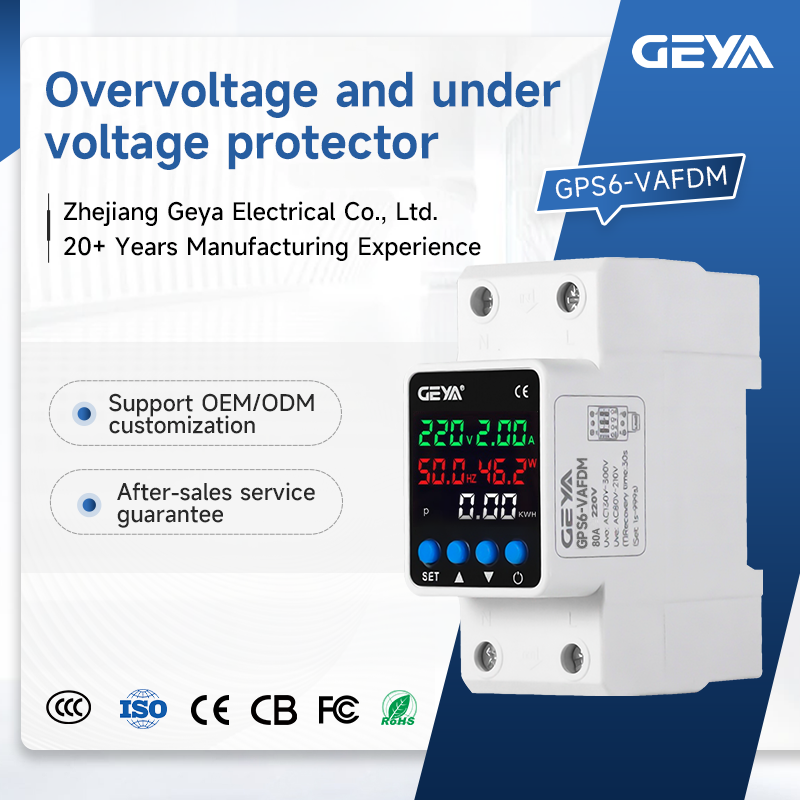
Multi-function monitoring relay with digital frequency and power display for grid stabilization safety.
View Details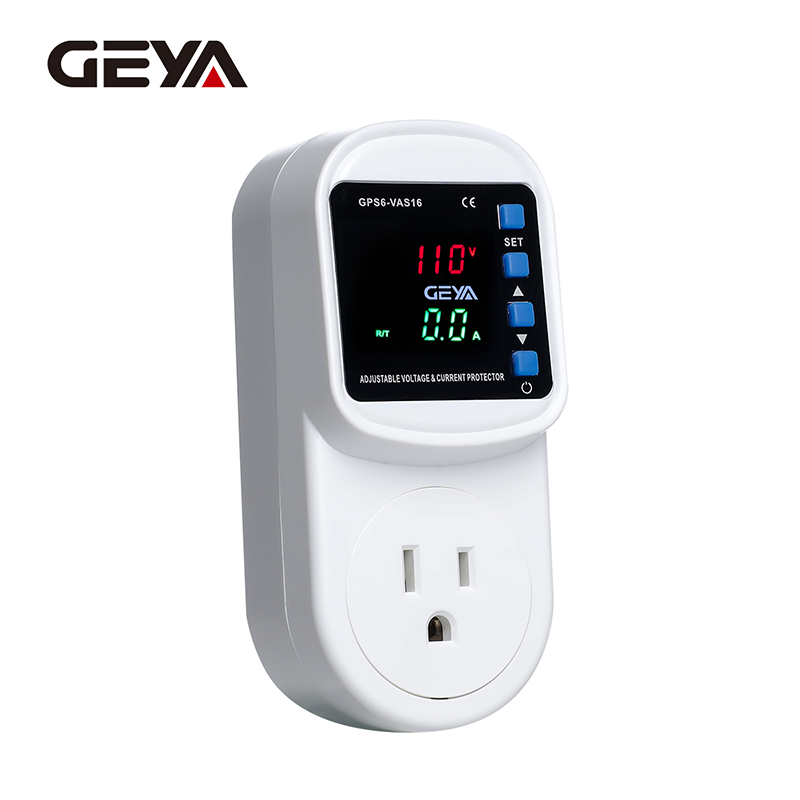
Adjustable automatic reset over/under voltage protection socket designed for sensitive equipment power lines.
View Details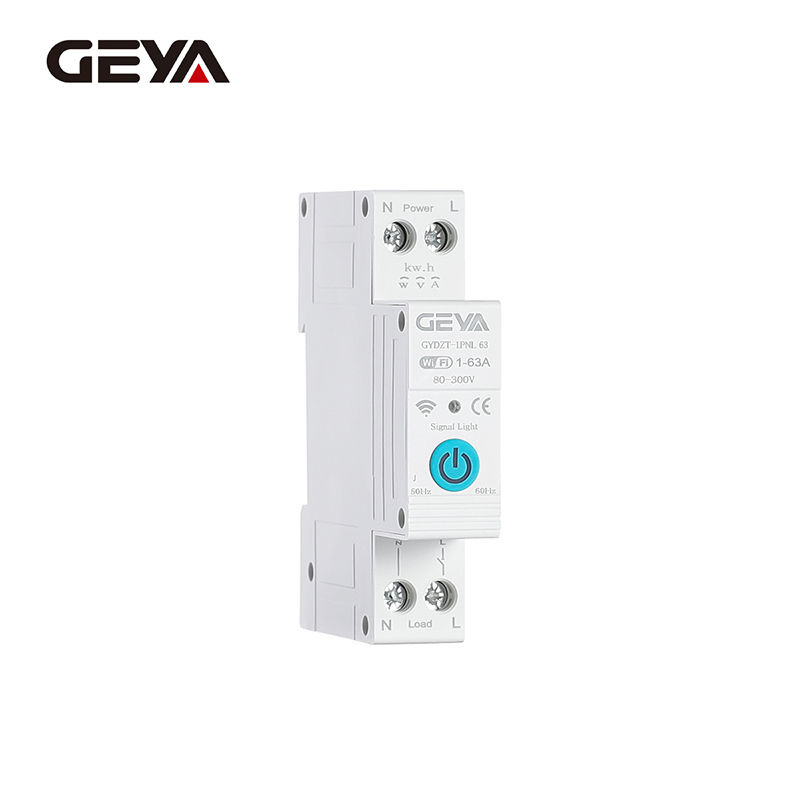
Remote control breaker with IoT energy monitoring capability for smart solar power distribution.
View Details
Engineered for fast self-recovery protection against transient grid anomalies in dual 50Hz/60Hz environments.
View Details
Combines residual current sensing, overvoltage protection, and cloud-managed auto-reclosing logic.
View Details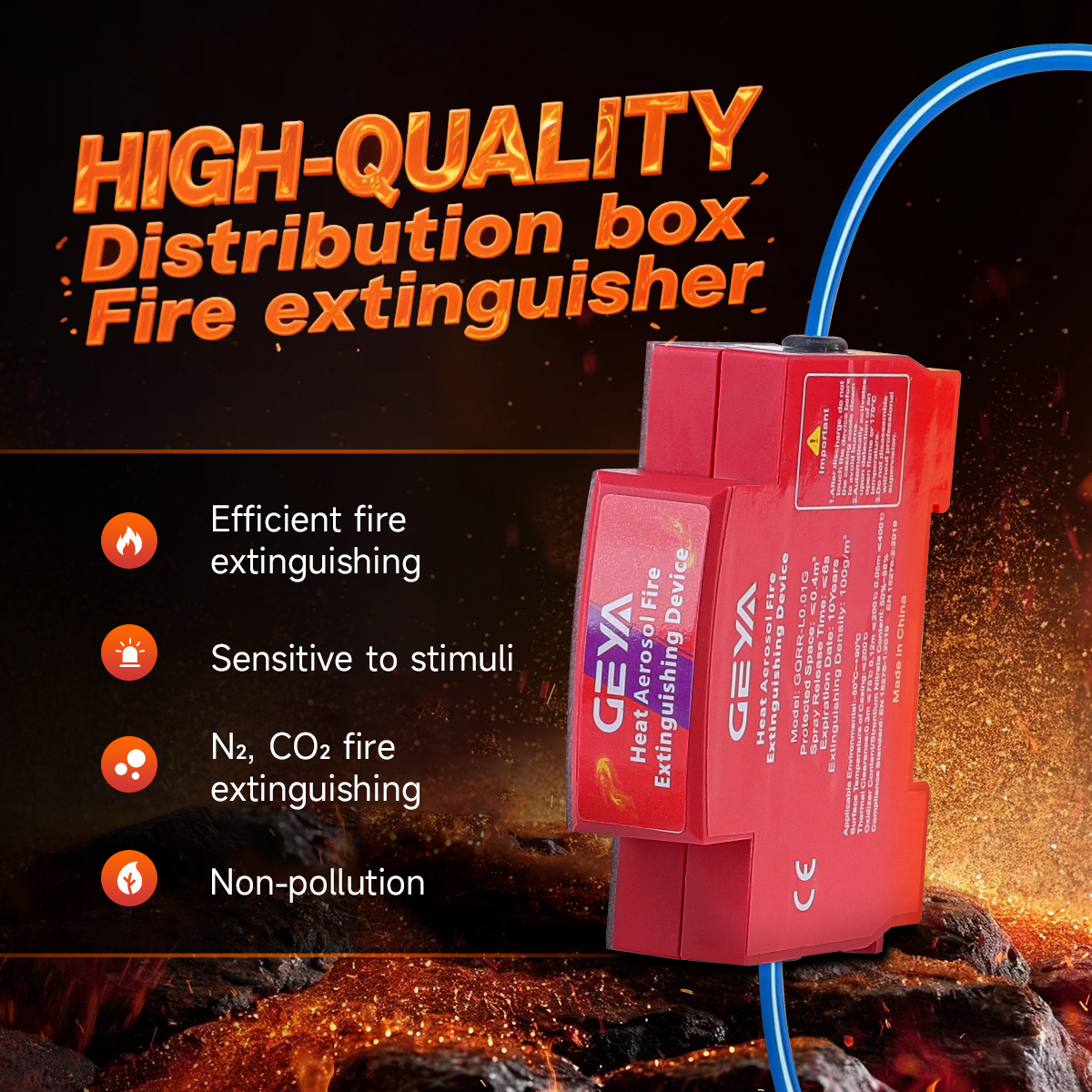
Thermal-activated mini fire suppression system dedicated to high-density PV combiner boxes and ESS enclosures.
View Details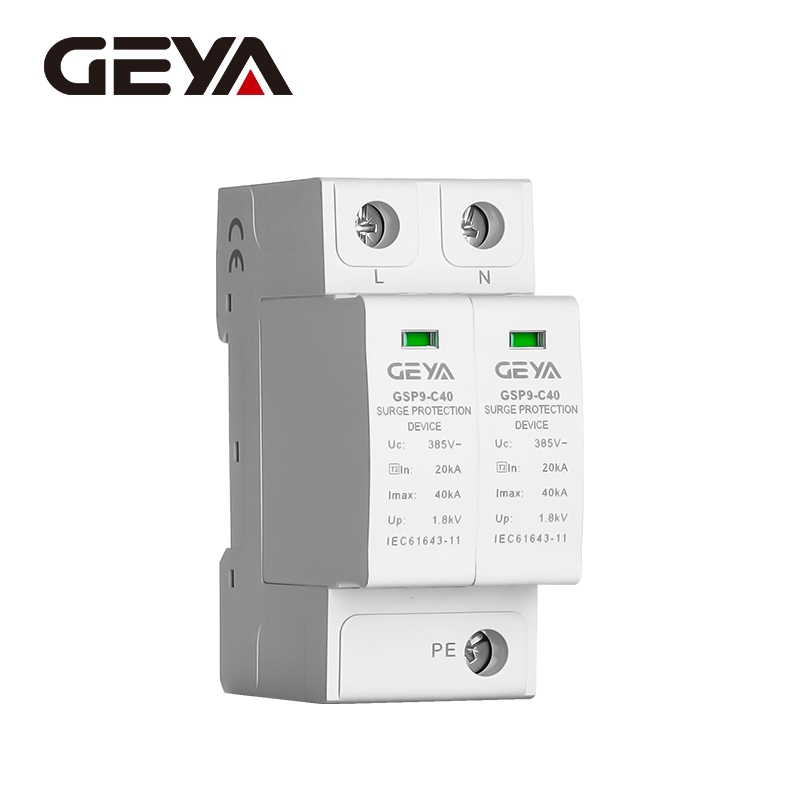
Heavy-duty modular surge protection shielding photovoltaic inverters from atmospheric and switching surges.
View DetailsEngineering Standards for PV Disconnect Switches in the Japanese Market
Understanding Direct Current (DC) Arc Extinction, IEC/EN 60947-3 (DC-PV2 Category), and JIS Compliance
Photovoltaic systems pose unique electrical safety challenges compared to conventional Alternating Current (AC) electrical networks. Because Direct Current does not possess a natural zero-crossing point, breaking a high-voltage DC arc under full load requires sophisticated mechanical and magnetic architecture. For solar engineering firms, system integrators, and EPC contractors operating within Japan's stringent grid frameworks, selecting a compliant and certified PV Disconnect Switch Factory is vital to operational continuity and fire prevention.
1. Direct Current Arc Interruption Mechanism (DC-PV1 & DC-PV2)
When a switch contact opens under load in a 1000V DC or 1500V DC solar array, the ionization of the air gap creates a sustained plasma arc capable of reaching temperatures over 4,000°C. Standard AC switch-disconnectors fail rapidly under such conditions due to sustained contact welding and thermal breakdown. Our specialized CE-certified PV disconnect switches utilize:
- Patented Magnetic Blowout Technology: Permanent magnets embedded alongside the contact break draw the electric arc upward into arc splitter plates, stretching and extinguishing the plasma within milliseconds.
- Multi-Break Rotary Contact Systems: Series-connected contact bridges split the total system voltage across multiple physical air gaps (e.g., 4 double-break gaps per pole), dramatically reducing the voltage stress per contact set.
- Silver Alloy (AgCdO/AgZnO) Contacts: High anti-weld property contact tips engineered to survive high-inrush capacitive currents and short-circuit fault conditions without contact degradation.
2. Navigating CE (IEC/EN 60947-3) and Japanese JIS/JET Harmonization
While Japan historically operated under standalone JIS (Japanese Industrial Standards) guidelines such as JIS C 8480 (Control boards and switchgear enclosures), the Ministry of Economy, Trade and Industry (METI) and the Electrical Safety & Environment Unit have aligned safety benchmarks with global IEC framework IEC 60947-3. A robust CE certification based on testing by international test laboratories (such as SGS or TÜV) serves as a primary foundation for importation and acceptance by Japanese Technical Managers (電気主任管理者 - Denki Shunin Kanzan).
| Electrical Parameter | Standard Commercial Isolator | Henergy CE-Certified PV Switch (Japan Grade) |
|---|---|---|
| Rated Operational Voltage (Ue) | 400V - 600V AC / DC | 1000V DC / 1500V DC Continuous |
| Utilization Category | DC-21A / AC-22A | DC-PV2 / DC-PV1 (Severe Load Switching) |
| Arc Suppression Time | > 25 milliseconds | < 3 milliseconds (Instantaneous Arc Chute) |
| Operating Temperature Envelope | -20°C to +50°C | -40°C to +85°C (Fully Rated, De-rate Free) |
| Protection Level / Housing | IP20 / IP40 Indoor | IP66 Outdoor Anti-UV & Salt Mist Resistant |
| Seismic / Vibration Endure | Standard Commercial | JIS Z 0232 Earthquake & Transport Compliant |
OEM Manufacturing Scale & Quality Metrics
SGS Onsite Verified Infrastructure Supporting Global Distributors and EPC Integrators
Yueqing Electrical Hub Supremacy
Situated in the heart of China’s low-voltage equipment hub in Beibaixiang Town, Yueqing. We leverage localized supply chain efficiency to deliver premium materials at highly competitive costs.
3-Stage In-House Testing
Every batch undergoes strict incoming material verification, automated contact resistance calibration, and 100% full-load DC switching test before final dispatch.
Full Certification Compliance
ISO 9001 quality management framework backed by CE, CB, SAA, and SGS third-party facility verification reports available for customs clearance.
Localized PV Disconnect Switch Applications Across Japan
Tailored Isolation Solutions for Unique Regional Grid Configurations and Harsh Environmental Conditions
1. Residential Rooftop & Storage Hybrid Inverters
Japan’s residential sector relies heavily on hybrid battery storage systems (e.g., 100V/200V single-phase split-phase systems). Our compact 2-pole and 4-pole DIN-rail mounted DC isolators provide safe, fast disconnect capability right next to the residential inverter panel or battery management unit (BMU), offering localized safety for homeowners and maintenance personnel.
2. Commercial & Industrial (C&I) On-Grid Solar
With corporate PPA (Power Purchase Agreement) adoption accelerating across Japanese factories and logistics centers, high-capacity string switches (32A to 63A at 1000V DC) are mandatory. Our CE-certified switches feature lockable rotary handles (Padlockable in the OFF position) to satisfy strict Japanese industrial lock-out/tag-out (LOTO) workplace safety rules.
3. Mountainous & Mega-Solar Installations
Japan’s utility solar farms are frequently situated in mountainous regions exposed to wide thermal swings (-25°C winter snowfall to high summer humidity). Designed with UV-stabilized polycarbonate enclosures (UL94-V0 flame retardant) and IP66 weatherproofing, our switches withstand severe freeze-thaw cycles without enclosure cracking or seal leakage.
4. Agricultural Solar Sharing (Agri-PV)
Agri-PV installations above farmland present elevated exposure to atmospheric humidity, fertilizer airborne particulates, and dust. Our switches incorporate IP66-sealed rotary glands and anti-corrosion silver-plated copper terminals to maintain ultra-low contact resistance even in aggressive agricultural ambient conditions.
5. Coastal & Typhoon-Prone Marine Zones
Surrounded by ocean, Japanese solar projects regularly face salt-mist corrosion and intense wind pressures. Our PV disconnect switches are tested against rigorous salt spray corrosion standards (IEC 60068-2-52) and engineered with heavy-duty mounting flanges to resist seismic shocks and typhoon force winds.
Key Market Drivers & Trends Shaping Japan's Solar Industry
Strategic Insights for Wholesale Procurement Managers and Solar EPC Developers
Mandatory Rooftop PV Mandates in Major Metropolises
With municipal governments like Tokyo and Kawasaki mandating solar panel installations on new residential structures, demand for standardized, pre-wired DC combiner boxes equipped with reliable 1000V DC switches has surged. Manufacturers that can supply pre-tested CE switches with custom cable assemblies gain a major speed-to-market advantage.
Shift from 1000V DC to 1500V DC Utility Architecture
To reduce Balance of System (BOS) cabling costs and boost inverter efficiency, utility-scale developers in Japan are rapidly migrating toward 1500V DC architectures. Our factory manufactures 1500V 32A to 63A switch-disconnectors featuring enhanced creeping distance and enlarged arc quenching chambers specifically built for 1500V utility applications.
Accelerated Integration of Battery Energy Storage (BESS)
Grid curtailment policies imposed by regional electric utilities (such as Kyushu Electric and Tohoku Electric) have made battery storage essential. DC isolation switches serve as critical protection interfaces between lithium-ion battery stacks and bidirectional inverters, demanding switches capable of bidirectional current interruption.
Heightened Focus on Fire Safety & Emergency Rapid Shutdown
Recent updates to Japanese fire safety codes require clear manual disconnect points for emergency responders. Our IP66 outdoor enclosed PV switches feature high-visibility red/yellow safety handles, spring-loaded quick-break mechanics (<3ms), and clear ON/OFF status windows visible from a distance.
Why Sourcing From Our Yueqing Factory Gives You a Competitive Edge
End-to-End OEM/ODM Manufacturing Supported by Advanced R&D and Quality Management
Custom Terminal & Cable Wiring
We provide factory-fitted MC4 connectors, custom cable lengths, pre-punched knockouts, and custom terminal block arrangements to minimize labor time for Japanese on-site installation crews.
Private Labeling & Packaging
Complete laser-marking of your brand logo, custom model numbering, localized Japanese user manuals (取扱説明書), and barcoded retail packaging according to your distribution specs.
Flexible MOQs & Rapid Logistics
Standard model production starts at minimal MOQs (from 10 to 50 pcs), backed by rapid lead times and streamlined container shipping directly to major Japanese ports (Yokohama, Tokyo, Osaka, Nagoya).
Need custom technical specifications or Japanese market test reports?
Contact UsFrequently Asked Questions by Japanese Solar Procurement Managers
Technical and Logistics Clarifications for Distributors, Importers, and System Integrators
Are CE-certified PV disconnect switches accepted for solar installations in Japan?
Yes. In Japan, while grid-tied inverters require JET certification, passive structural components like DC isolators and switch-disconnectors are evaluated based on international standard compliance. CE certification under IEC/EN 60947-3 (specifically with DC-PV2 utilization category testing) is widely accepted by Japanese Chief Electrical Engineers (電気主任技術者) for commercial, industrial, and utility solar installations.
What is the difference between DC-PV1 and DC-PV2 utilization categories?
IEC 60947-3 defines specific operational categories for DC switching. DC-PV1 covers switching of single solar array circuits where reverse current is unlikely. DC-PV2 is a significantly more stringent test category simulating severe overload conditions, multiple string inputs, and frequent switching under full solar irradiation. Our switches are designed and tested to meet DC-PV2 standards for maximum reliability.
How do your switches handle Japan's high humidity and salt mist coastal environment?
Our outdoor enclosed PV switches utilize IP66 rated housings sealed with high-grade EPDM gaskets and anti-UV polycarbonate materials. Electrical contacts and copper conductors undergo electro-tin or silver plating to prevent oxidation caused by salt spray. Third-party salt spray test reports (IEC 60068-2-52) are available upon request.
Can you manufacture non-polar (bi-directional) PV disconnect switches?
Absolutely. Solar energy storage systems (BESS) require bi-directional current flow during charging and discharging cycles. Our non-polar DC isolator series utilizes symmetrical arc extinction chambers that effectively quench electric arcs regardless of current direction, eliminating the risk of reverse-wiring damage during field installation.
What is your standard factory lead time for sea freight shipments to Japan?
For standard catalog models, order production is typically completed within 10 to 15 business days. Transit time via maritime freight from Ningbo or Shanghai port to major Japanese ports (Kobe, Osaka, Yokohama, Tokyo) usually takes only 3 to 7 days, making supply chain replenishment extremely efficient.
Do you offer OEM private labeling and Japanese language documentation?
Yes. As an experienced OEM/ODM manufacturer, we offer complete customization services including laser marking of your company logo on the switch body, customized box packaging, Japanese safety warning labels, and translated instruction manuals compliant with local Japanese trade requirements.
Partner with a Verified PV Disconnect Switch Factory Today
Empower your solar project portfolio with high-performance, CE-certified DC isolation solutions. Request instant product datasheets, compliance certificates, and factory-direct price quotations.