Executive Sourcing Briefing: The Evolution of Industrial & Residential Circuit Protection
In modern electrical engineering, the choice of protective switchgear is critical to operational safety, system longevity, and international code compliance. A Residual Current Breaker with Overcurrent Protection (RCBO) represents the gold standard in low-voltage circuit protection, combining the overload and short-circuit capabilities of a traditional Miniature Circuit Breaker (MCB) with the earth-leakage current detection of a Residual Current Device (RCD/RCCB) into a unified compact module.
As global infrastructure transitions toward decentralized renewable energy, electric vehicle (EV) charging infrastructure, and smart automation systems, procurement directors and engineering procurement contractors (EPCs) face unprecedented challenges. Traditional Type AC residual protection is rapidly becoming obsolete due to the presence of smooth DC currents and high-frequency harmonics generated by modern switched-mode power supplies (SMPS) and solar inverters. Evaluating trusted RCBO circuit breaker factories requires deep visibility into manufacturing precision, trip calibration standards, materials sourcing, and international certification integrity.
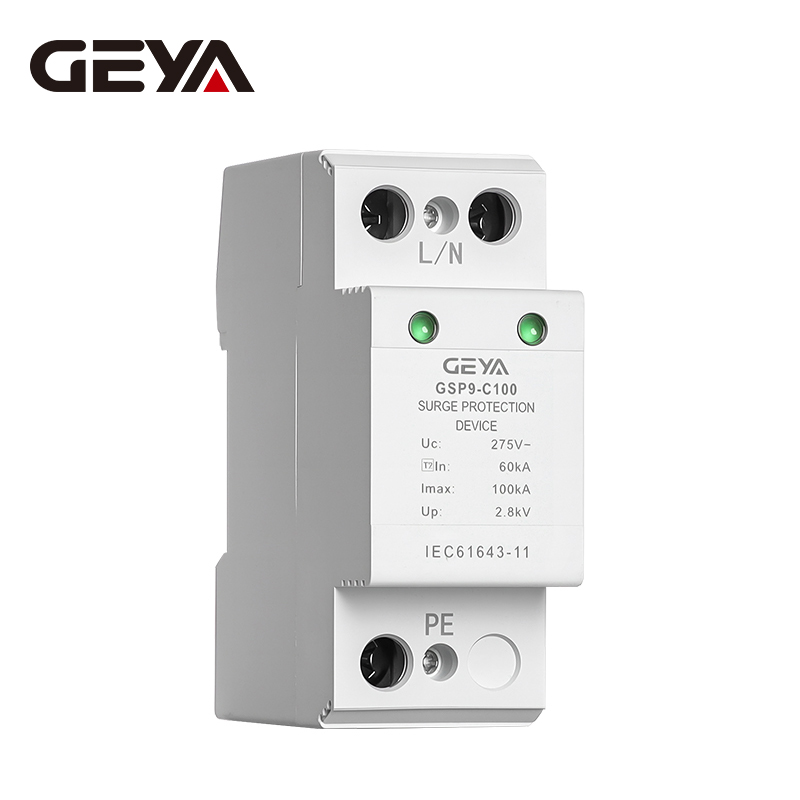
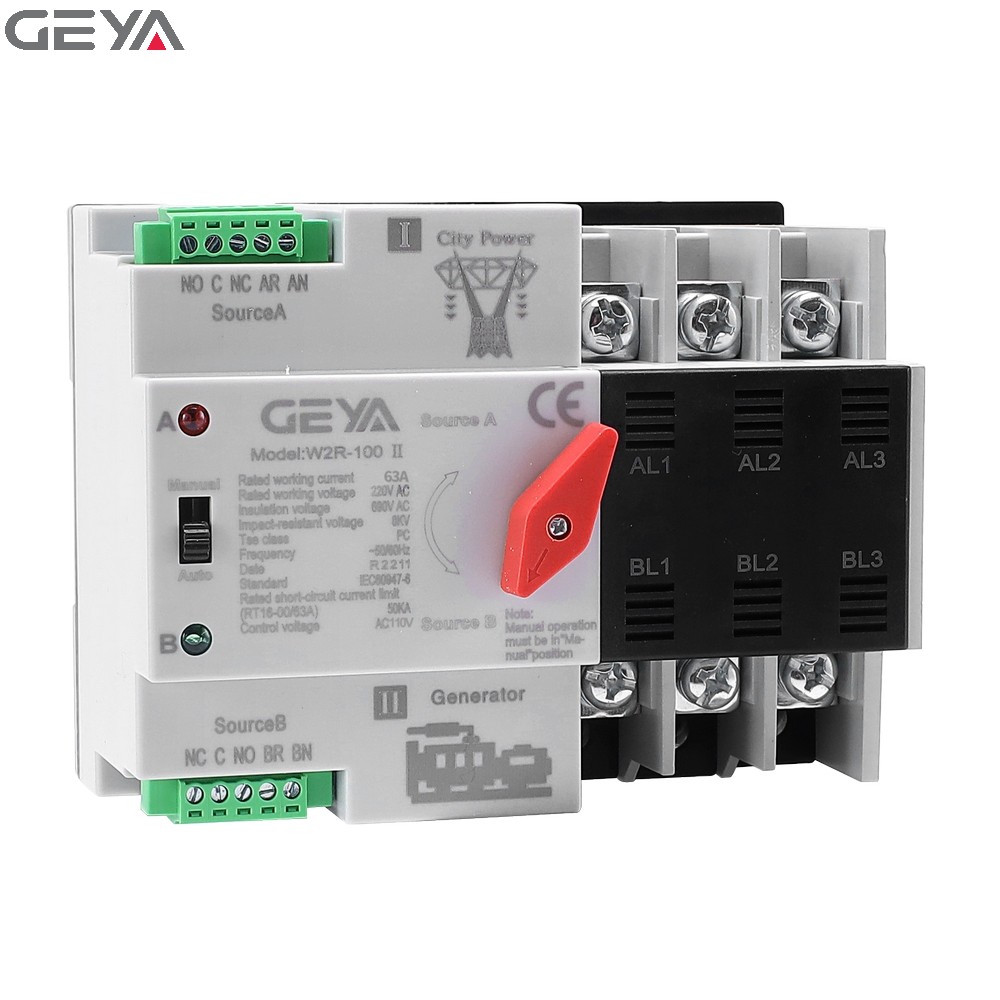
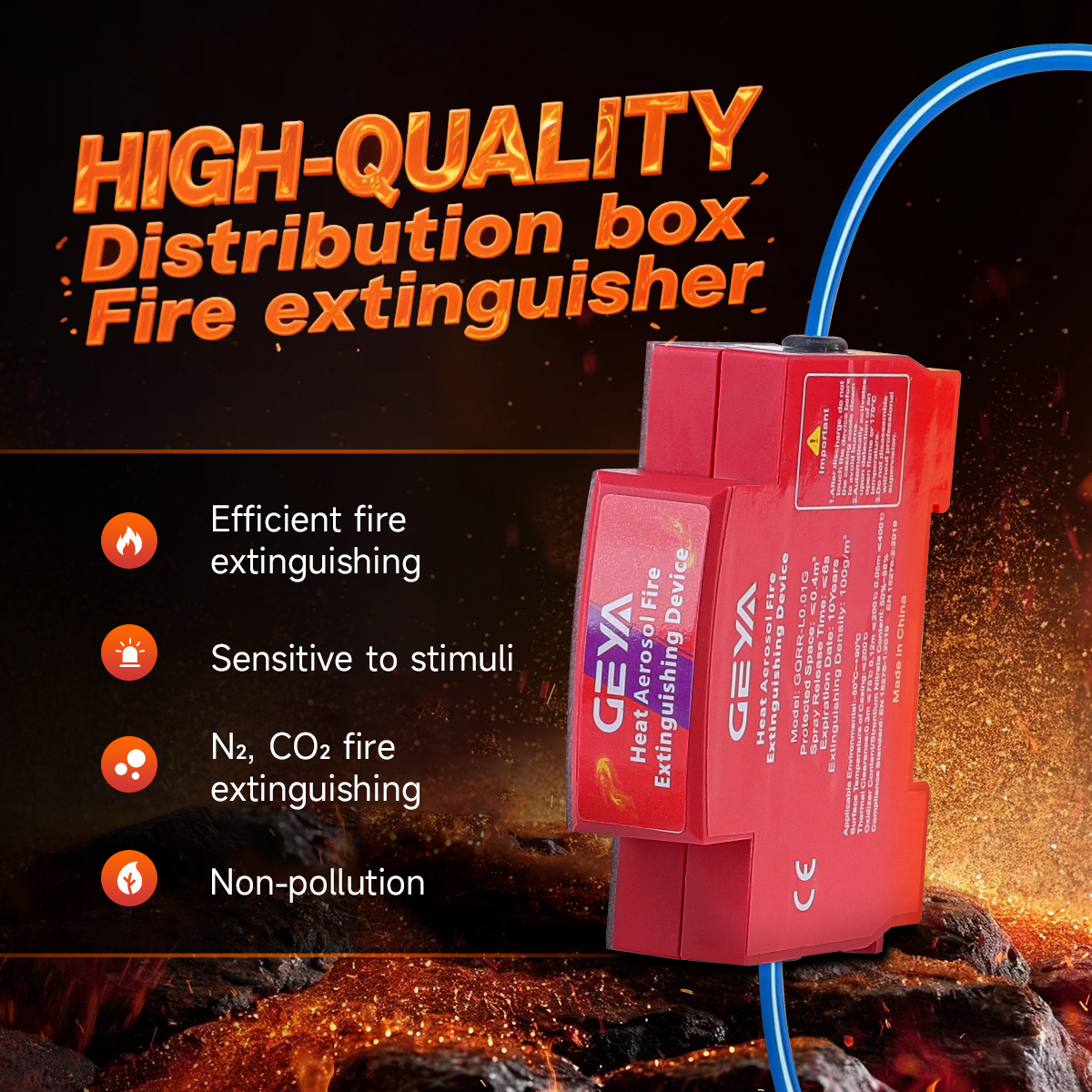
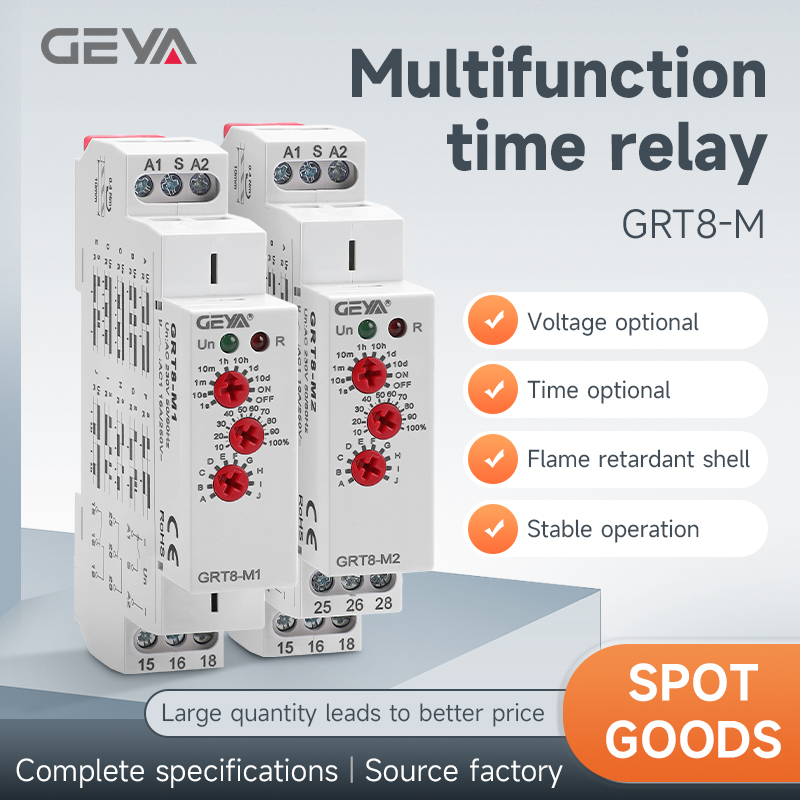
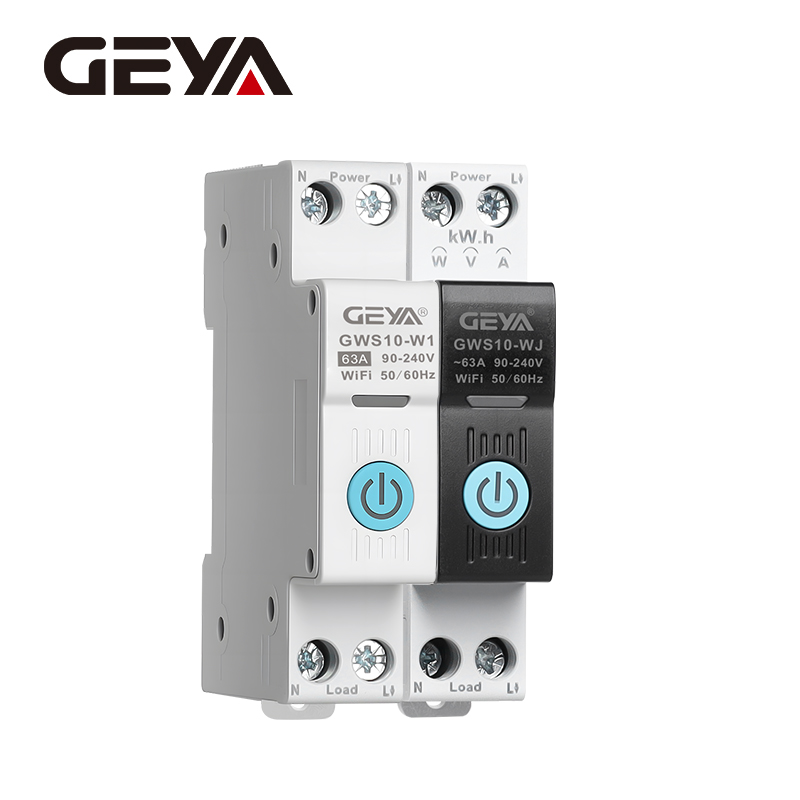
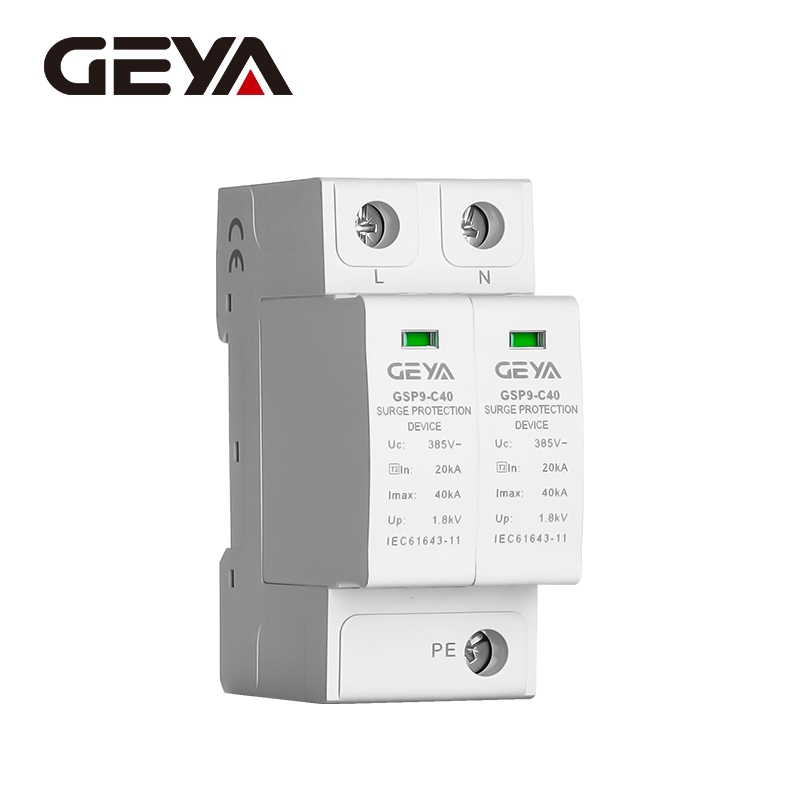
Featured Circuit Protection & Power Control Products
High-demand low-voltage components tested and certified for global distribution, panel building, and industrial EPC project integration.


Technological Development Trends in RCBO Circuit Breakers
How leading Chinese electrical manufacturers are advancing residual current technology to meet global IEC 61009-1 and UL standards.
Historical RCBO designs required 36mm (2-module) DIN-rail space. Modern top-tier factories utilize micro-magnetic trip mechanisms and integrated toroid sensors to fit full thermal-magnetic and residual protection within a single 18mm housing, doubling distribution panel breaker density.
With non-linear loads dominating modern buildings (variable speed drives, solar inverters, EV chargers), standard Type AC protection is failing safety audits. Leading exporters now standardize on Type A (detecting pulsating DC) and Type B (smooth DC residual current up to 1000Hz).
Telecommunications, remote solar farms, and smart cities demand self-healing circuits. Integrated micro-motorized auto-reclosers equipped with RS485 Modbus, Tuya WiFi, or Zigbee allow automated diagnostic resets, power quality logging, and preventive thermal alarms.
In-Depth Comparison: RCBO Waveform Detection Types & Sourcing Selection
Selecting the incorrect RCD classification can cause critical safety failures or nuisance tripping. The table below outlines technical parameter criteria used by global electrical engineers when specifying RCBOs from OEM manufacturing partners:
| RCD Type | Detectible Residual Current Waveforms | Typical Application Benchmark | Global Compliance Status |
|---|---|---|---|
| Type AC | Sinusoidal alternating AC currents only | Legacy resistive residential heating/lighting | Phased out in EU (DE, UK, AU mandatory Type A min.) |
| Type A | Sinusoidal AC + Pulsating DC residual currents | Single-phase inverters, washing machines, IT servers | Current baseline standard for worldwide export |
| Type F | Type A + High-frequency composite currents | Single-phase variable speed heat pumps & aircon | Mandatory for high-end HVAC export projects |
| Type B | Type F + Smooth DC residual current (DC ground faults) | Three-phase PV, EV Fast Chargers (IEC 61851), Medical | Highest engineering requirement (IEC 62423) |
Future Procurement Trends in Low-Voltage Protection
Key strategic insights for electrical equipment wholesalers, brand owners, and panel assembly plants sourcing from China.
1. Consolidation of China’s Low-Voltage Manufacturing Clusters
The global low-voltage supply chain has heavily consolidated around Yueqing, Wenzhou—widely recognized as the electrical capital of China. B2B importers are increasingly moving away from small trading intermediaries and partnering directly with SGS-verified onsite factories like Zhejiang Henergy Electrical Co., Ltd. (and premier manufacturing brands such as GEYA). Direct factory partnerships yield 18-25% margin advantages while providing full traceability from silver-alloy contact stamping to automatic trip calibration.
2. Rising Demand for OEM/ODM Private-Label & Modular Flexibility
Commercial importers no longer accept generic off-the-shelf breakers. Future-ready procurement strategies require flexible ODM capability, including:
- Custom Breaking Capacity (Icn): Calibration options for 4.5kA, 6kA, and 10kA (IEC 60898-1 / 61009-1) tailored to specific regional short-circuit ratings.
- Custom Trip Curves: Precise calibration for Type B (3-5 In), Type C (5-10 In), and Type D (10-20 In) motor starting loads.
- Co-Branded Laser Marking & Packaging: Anti-counterfeiting laser engraving, custom barcoding, and environmentally sustainable packaging compliant with EU packaging waste directives.
3. Rigorous ESG and Material Compliance (RoHS & REACH)
Tier-1 electrical distributors in North America, Western Europe, and Australia mandate strict chemical and environmental safety. Trusted factories must ensure that all thermoplastic enclosures use flame-retardant V0-grade polyamide (PA66), free of halogenated flame retardants, and compliant with RoHS 2.0 and SVHC REACH regulations.
Why Global Importers Partner with Our Manufacturing Ecosystem
Verifiable operational background, SGS-assessed production lines, and comprehensive international testing certifications.
Established Manufacturing Expertise (Since 2007)
Founded in February 2007 in Yueqing, Wenzhou, our manufacturing hub has expanded into an advanced electrical protection specialist spanning 5,000 to 10,000 square meters. Operating over 10 automated and semi-automated production lines, we produce over 400 product models across Miniature Circuit Breakers (MCB), Residual Current Breakers with Overcurrent Protection (RCBO), Automatic Transfer Switches (ATS), and digital timing relays.
- SGS Onsite Verified Factory: Third-party audited production capacity, workflow control, and corporate legitimacy.
- Tri-Stage Quality Assurance: Automated thermal-magnetic tripping calibration, high-voltage insulation tests, and 100% full-load burn-in testing.
- Global Compliance Portfolio: Certified with ISO 9001 quality management, plus international approvals including CE, CB, SAA, and VDE.




Frequently Asked Questions (FAQ) for RCBO Procurement
Essential technical and commercial clarity for importers, quality assurance engineers, and OEM buyers.
Q1: What is the primary difference between an MCB, an RCCB, and an RCBO?
An MCB (Miniature Circuit Breaker) protects electrical cables exclusively against overload and short-circuit faults. An RCCB (Residual Current Circuit Breaker) detects earth leakage current (preventing electric shock), but offers zero overcurrent protection. An RCBO (Residual Current Breaker with Overcurrent Protection) integrates both functions into a single DIN-rail device, safeguarding circuits against overload, short-circuit, and earth leakage simultaneously while saving switchboard space.
Q2: Which standard governs RCBO manufacturing for international export?
The primary global standard is IEC/EN 61009-1 ("Residual current operated circuit-breakers with integral overcurrent protection for household and similar uses"). For industrial or specific regional markets, compliance with IEC 60947-2 (Annex B) or AS/NZS 61009.1 (Australia/New Zealand SAA approval) is required. Ensure your exporter provides third-party CB Test Certificates matching your required current ratings.
Q3: Why is Type A RCBO rapidly replacing Type AC across Europe and Australia?
Type AC RCDs are designed only for purely sinusoidal AC leakage currents. Modern household and commercial appliances (computers, LED drivers, inverter air conditioners, EV chargers) utilize rectified DC power supplies that leak pulsating DC currents into the earth path. Pulsating DC blinds a Type AC sensing core, preventing it from tripping during a dangerous shock event. National wiring rules (such as DIN VDE 0100-530 in Germany and BS 7671 in the UK) now mandate Type A RCDs as the absolute baseline.
Q4: What are the typical Minimum Order Quantities (MOQ) for OEM/ODM orders?
Standard catalog models (CE/CB marked) feature flexible MOQs starting at 20 to 50 pieces. For custom OEM branding—including customized laser-printed logos, custom rated current trip calibration (e.g., 6A, 10A, 16A, 20A, 25A, 32A, 40A), and private-label color boxes—the typical production MOQ starts at 500 to 1,000 units per specification.
Q5: What is the difference between Voltage-Dependent and Voltage-Independent RCBOs?
Voltage-Independent (Electromechanical) RCBOs use the energy of the earth leakage current itself to trip the magnetic latch. They operate reliably even if the main supply voltage drops or the neutral wire breaks. Voltage-Dependent (Electronic) RCBOs rely on the line voltage to power internal electronics. While electronic models allow ultra-compact single-pole (18mm) designs, certain high-tier markets (like Australia and Germany) mandate electromechanical construction for primary safety circuits.
Q6: What breaking capacity (Icn) should be selected for commercial panel building?
For standard residential sub-distribution boards, a 4.5kA or 6kA breaking capacity is generally acceptable under IEC 61009-1. For main distribution panels, industrial facilities, and urban commercial buildings situated close to supply transformers, a 10kA breaking capacity (Icn) is required to safely quench potential high-energy short-circuit arcs without welding contacts.
Partner with a Verified RCBO Circuit Breaker Exporter
Streamline your electrical supply chain with direct factory pricing, ISO 9001 certified quality control, and full OEM support. Contact our senior application engineering team today for complete product catalogs, CB/CE test reports, and custom wholesale quotations.