High-Performance Circuit Breakers & Smart Protection Modules
Rigorous IEC 60898-1 & IEC 60947-2 certified low-voltage protective devices engineered for commercial, residential, solar PV, and IoT smart grid deployments.

- 600VDC / 800VDC / 1000VDC / 1500VDC
- Nominal Discharge Current: 20kA (Imax 40kA)
- Remote communication signaling contacts

- Auto-reclosing functionality for unmanned sites
- Adjustable Over/Under Voltage & Leakage
- Tuya WiFi remote control & energy monitoring
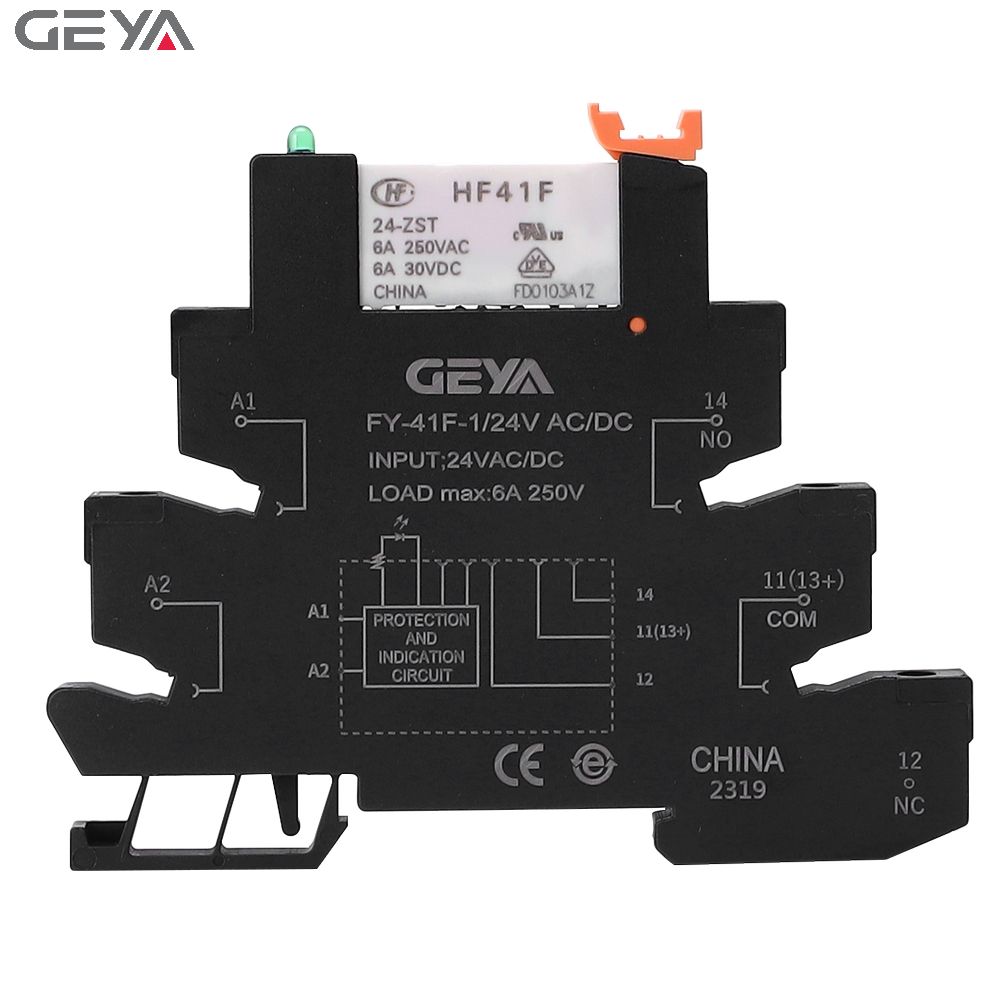
- 1 CO Relay Module (12VDC or 24VDC)
- High-density DIN rail mounting space saver
- Long electrical endurance (>100,000 cycles)

- Thermal-magnetic automatic activation trigger
- Designed for electrical enclosure protection
- Zero ozone depletion non-toxic technology

- Real-time telemetry parameter configuration
- DIN-rail 35mm quick-snap architecture
- Instant magnetic disconnect & automated recovery
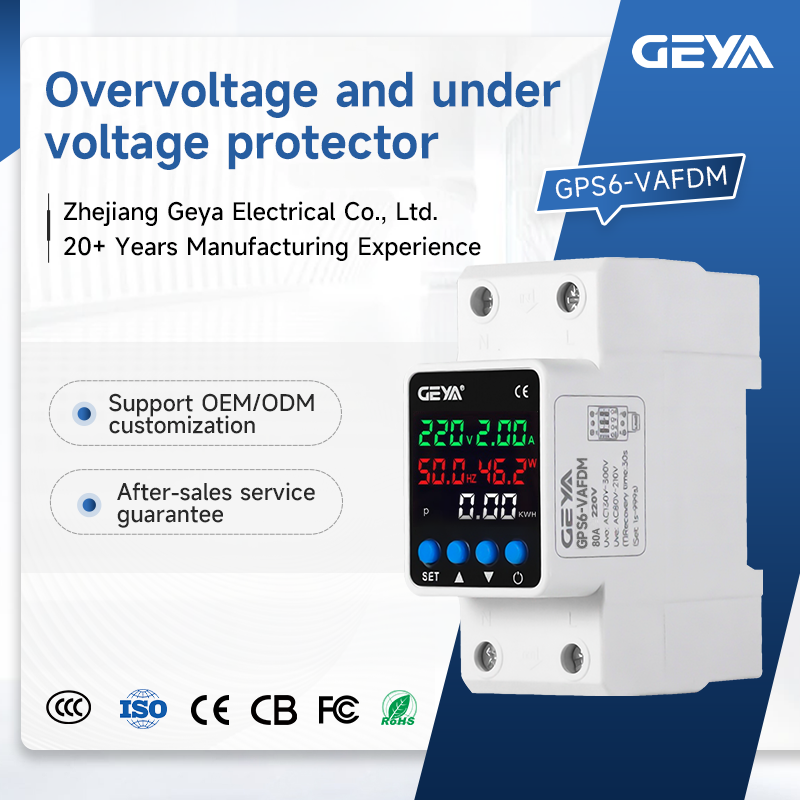
- Integrated frequency & active power display
- Adjustable trip thresholds (Voltage: 140V-300V)
- 6-in-1 real-time power analytics screen
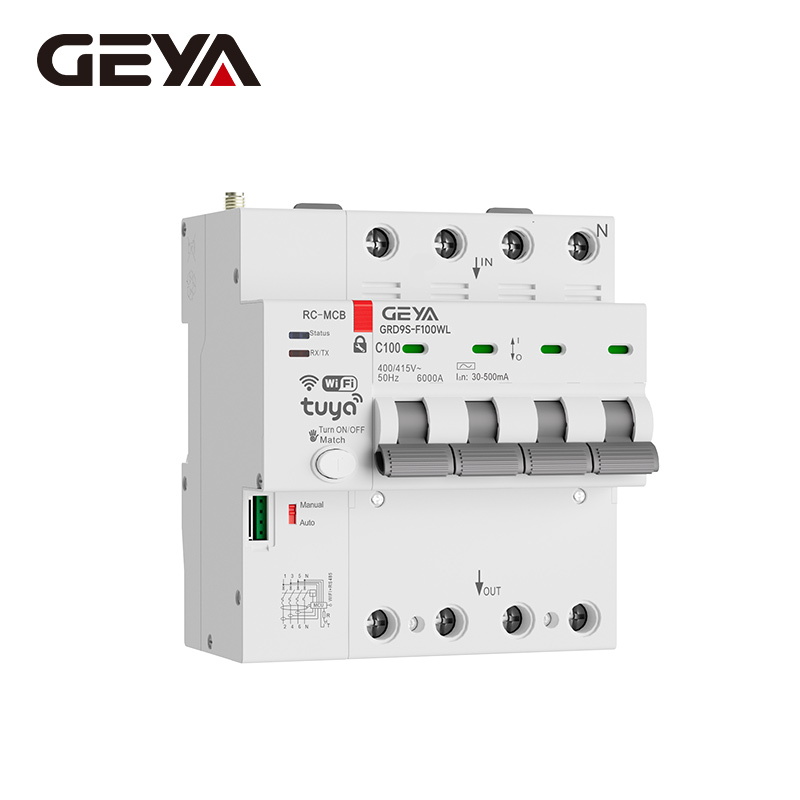
- Three-Phase 4P network protection mechanism
- Built-in residual current (RCBO) detection
- Remote schedule timer & energy consumption logger
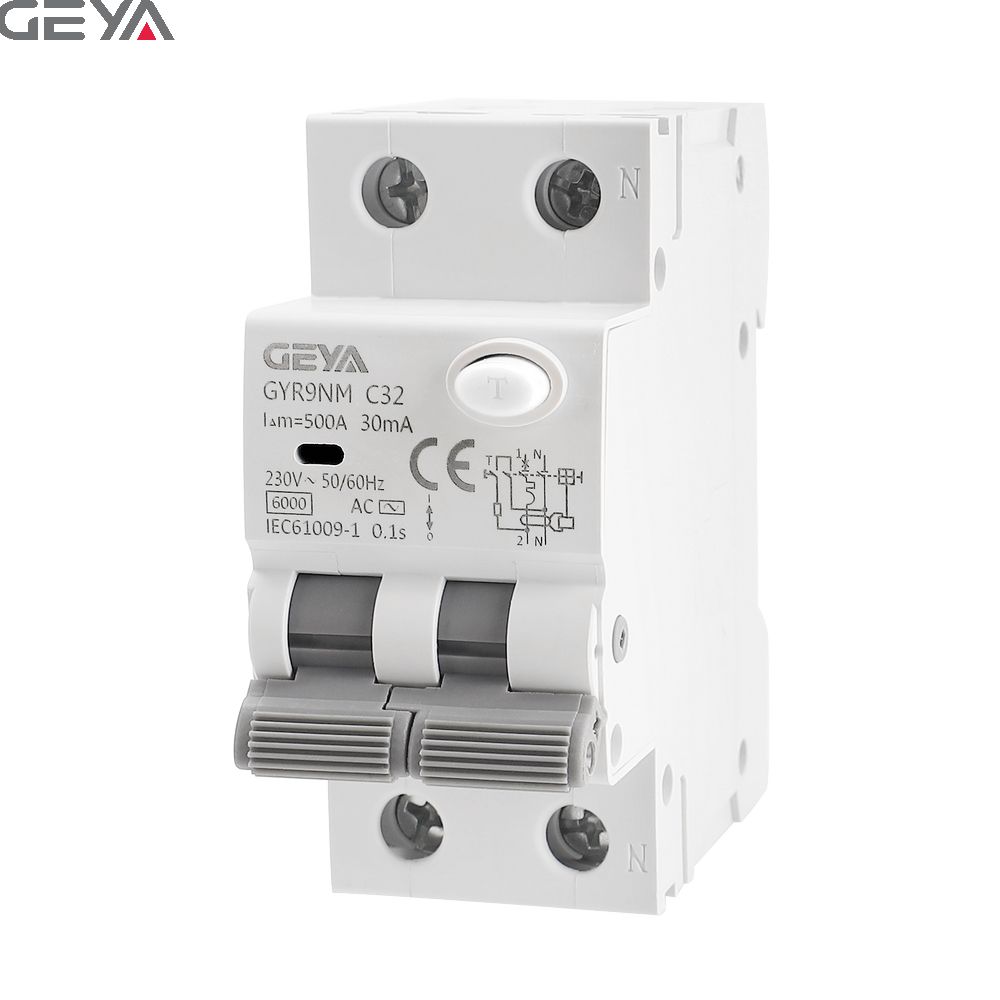
- Rated current range: 6A up to 40A (30mA trip sensitivity)
- Combines short-circuit, overload & ground fault safety
- Compact 18mm modular single-slot design available
1. Comprehensive B2B Sourcing Guide: Evaluating Top Miniature Circuit Breaker Manufacturers
In low-voltage electrical distribution, selecting the right Miniature Circuit Breaker (MCB) manufacturer is critical for system reliability, equipment safety, and regulatory compliance. An MCB acts as the primary defense mechanism against electrical overloads and short circuits in residential, commercial, and industrial switchboards.
For electrical wholesalers, panel builders, and OEM brands sourcing from major manufacturing clusters like Yueqing (Wenzhou, Zhejiang), establishing direct partnerships with qualified factories requires an understanding of mechanical design, arc suppression capabilities, and international certification integrity.
Core Mechanical & Electrical Engineering Principles of Modern MCBs
A high-performance MCB operates through two distinct trip mechanisms working in tandem inside an flame-retardant polyamide (PA66) enclosure:
- Thermal Overload Protection: Utilizing a precision-calibrated bimetallic strip. Prolonged current draw exceeding the rated current ($I_n$) causes differential thermal expansion of the bonded metals, bending the strip to trip the mechanical latch mechanism.
- Magnetic Short-Circuit Protection: Utilizing an electromagnetic solenoid. When high-magnitude fault currents occur (typically 3 to 20 times $I_n$), the magnetic flux rapidly pulls an internal plunger to instantaneously strike the trip bar in under 10 milliseconds.
- Arc Quenching Chamber: High breaking capacity MCBs (such as 6kA or 10kA units rated to IEC/EN 60898-1) feature specialized arc chute plates (usually 9 to 13 copper-plated steel plates). When contacts separate under heavy load, the arc is drawn into the splitter plates, cooled, fragmented, and extinguished safely through vented gas ports.
2. Technical Parameter Matrix: Sourcing Specifications for Electrical Wholesalers
When evaluating MCBs for supply contracts or tender applications, global buyers must match tripping characteristics, breaking capacities, and thermal parameters to local grid requirements. Below is an engineering overview of parameters provided by certified OEM manufacturers:
| Circuit Breaker Type | Reference Standard | Rated Voltage ($U_e$) | Tripping Curves | Ultimate Breaking Capacity ($I_{cu} / I_{cn}$) | Primary Industrial Application |
|---|---|---|---|---|---|
| Standard AC MCB | IEC/EN 60898-1 | AC 230V / 400V | B, C, D Curve | 4.5kA / 6kA / 10kA | Residential & Commercial Distribution Panelboards |
| Solar PV DC MCB | IEC/EN 60947-2 | 250VDC - 1500VDC | K, Z, C Curve | 6kA / 10kA | Photovoltaic Array Combiner Boxes & String Inverters |
| RCBO (Overcurrent + Leakage) | IEC/EN 61009-1 | AC 110V / 230V / 415V | B, C Curve (Type A/AC) | 6kA / 10kA (30mA trip) | Personal Protection, Damp Environments, EV Chargers |
| Smart IoT Recloser MCB | IEC 60947-2 / Tuya IoT | AC 220V / 400V | C, D Curve | 6kA (Automated Motor Driven) | Telecom Base Stations, Smart Cities, Solar Power Monitoring |
3. Tripping Curve Selection Criteria: B, C, and D Characteristics
Wholesalers must ensure end-users order the correct tripping curve to prevent nuisance tripping while guaranteeing short-circuit protection:
Designed for resistive loads with zero or minimal switching surges. Typical uses include domestic resistive heating, electric cooking appliances, and long cable runs where fault impedance is high.
The global commercial standard. Engineered for inductive loads with moderate inrush currents such as fluorescent lighting banks, small electric motors, fans, and general office socket outlets.
Formulated for heavy inductive equipment generating high magnetic inrush spikes upon start-up, including industrial transformers, arc welders, heavy motors, and uninterruptible power supplies (UPS).
4. Global Sourcing & Market Trends: The Shift Toward Smart IoT MCBs & Renewable Energy Systems (2025-2030)
The global low-voltage circuit protection market is undergoing a major structural transformation driven by two key trends: smart grid digitization and solar PV electrification. Direct factory data reveals growing wholesale demand in the following product segments:
- Remote Telemetry & Auto-Reclosing Mechanisms: In unmanned infrastructure (such as 5G telecom towers, traffic management cabinets, and remote solar farms), manual circuit breaker resetting introduces operational costs. Smart MCBs integrated with Tuya WiFi, RS485 Modbus, or ZigBee protocols enable remote monitoring of current, voltage, temperature, and leakage, while automatically attempting reclosure after transient faults clear.
- High-Voltage DC Circuit Breakers for Solar PV Storage: Standard AC circuit breakers cannot extinguish DC electrical arcs, which lack a zero-crossing voltage point. Top manufacturers utilize magnetic blowout technology to forcibly push DC arcs into specialized arc chutes, supporting system voltages up to 1500VDC for commercial energy storage systems (ESS).
- RCBO Space Optimization: Traditional installations required separate MCB and RCCB units occupying multiple DIN-rail slots. Modern 1P+N single-module RCBOs condense full overload, short-circuit, and earth leakage protection into a standard 18mm housing, cutting distribution cabinet space requirements by 50%.
5. Quality Assurance & Factory Verification: E-E-A-T Sourcing Benchmarks
To protect brand reputation and avoid customs holds, international buyers must verify that their chosen Chinese OEM factory maintains robust quality management processes. Leading Yueqing manufacturers adhere to three core operational pillars:
Quality Checkpoints at SGS Onsite-Verified Facilities
- Incoming Raw Material Quality Control (IQC): Automated testing of silver contact point thickness (typically 85% to 92% Ag content), bimetal thermal deflection tolerance, and PA66 housing fire retardancy rating (UL94 V-0 standard).
- In-Process Quality Assurance (IPQA): Calibration of thermal trip curves via multi-station automated test benches. Every single breaker undergoes 100% automated calibration for instantaneous magnetic trip response and voltage drop verification.
- Outgoing Quality Assessment (OQA): Mechanical switching life testing (>10,000 operations), short-circuit impulse endurance testing, and high-voltage dielectric withstand verification prior to final export packaging.
Frequently Asked Questions for Circuit Breaker Procurement
What is the difference between Icu and Ics breaking capacity ratings?
$I_{cs}$ (Service Short-Circuit Breaking Capacity): Indicates the level of fault current the breaker can interrupt repeatedly (expressed as 50%, 75%, or 100% of $I_{cu}$) while remaining fully operational afterwards. Premium industrial MCBs feature $I_{cs} = 100\% I_{cu}$.
Can an AC Miniature Circuit Breaker be used in DC Solar PV applications?
What standard certifications are required for exporting MCBs to Europe and Australia?
What OEM and private-label customization options are available from Chinese MCB factories?
What is the typical minimum order quantity (MOQ) and lead time for factory orders?
Partner with Verified Low-Voltage Electrical Manufacturers
Streamline your supply chain with direct factory pricing, ISO 9001 certified quality control, and full OEM support for MCB, RCBO, ATS, and Smart IoT Protectors.