High-Performance Protection & Switching Devices
Factory-direct OEM/ODM certified components designed for industrial switchboards, commercial distribution, and smart renewable grids.
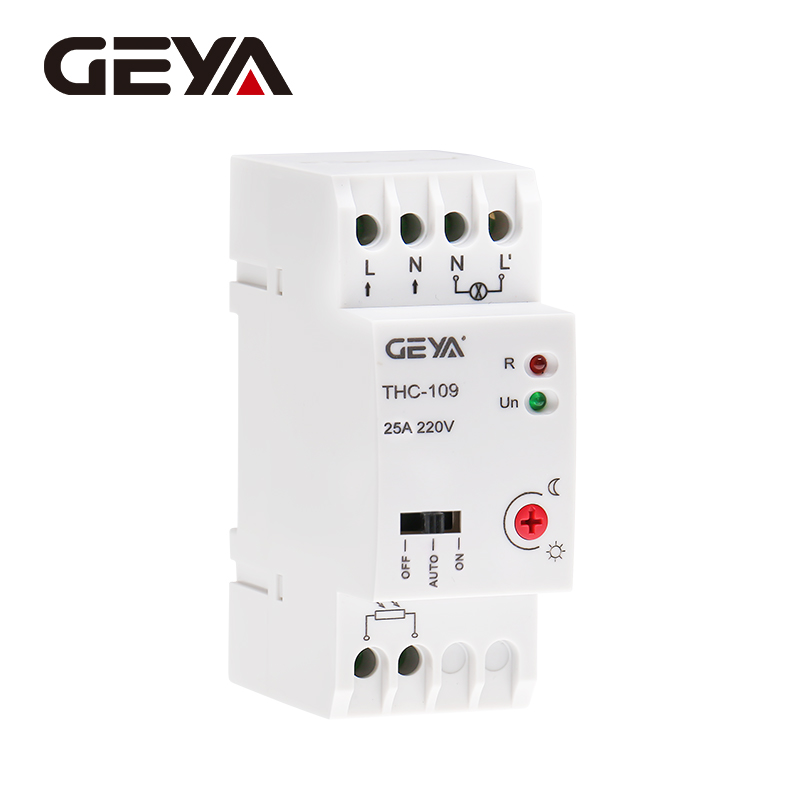


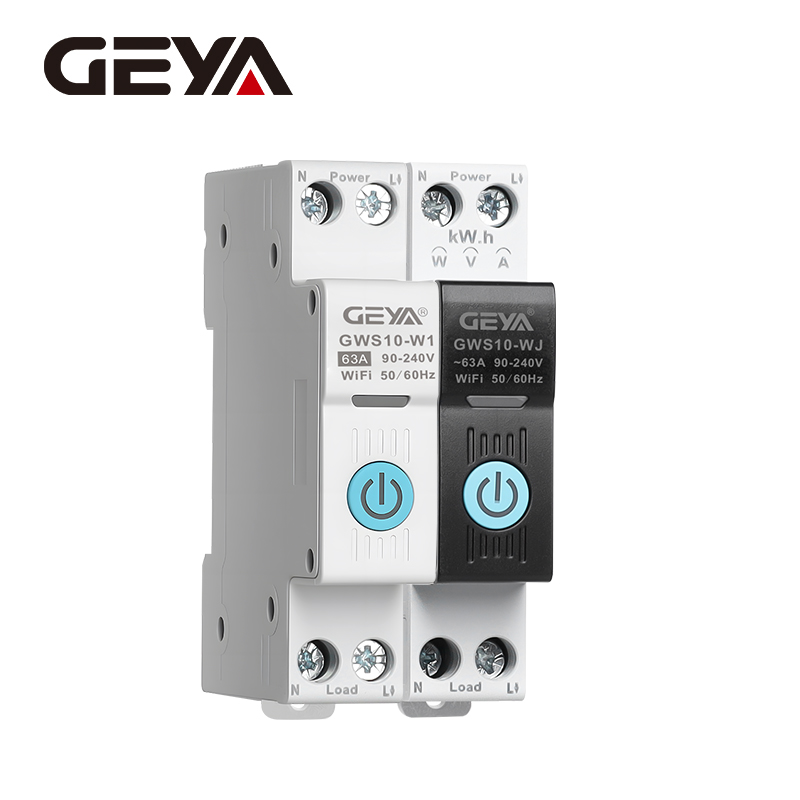
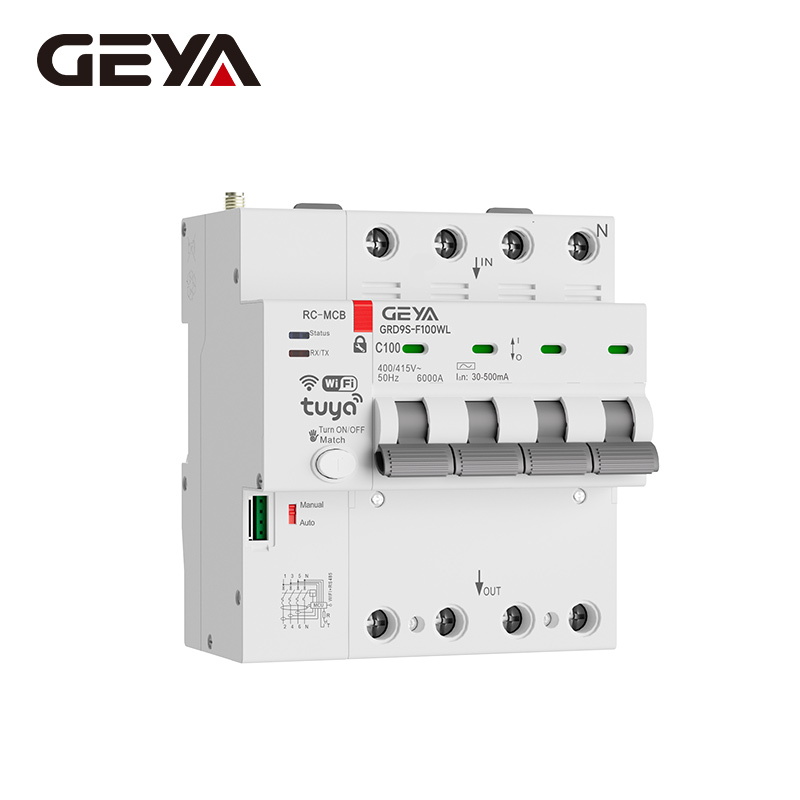

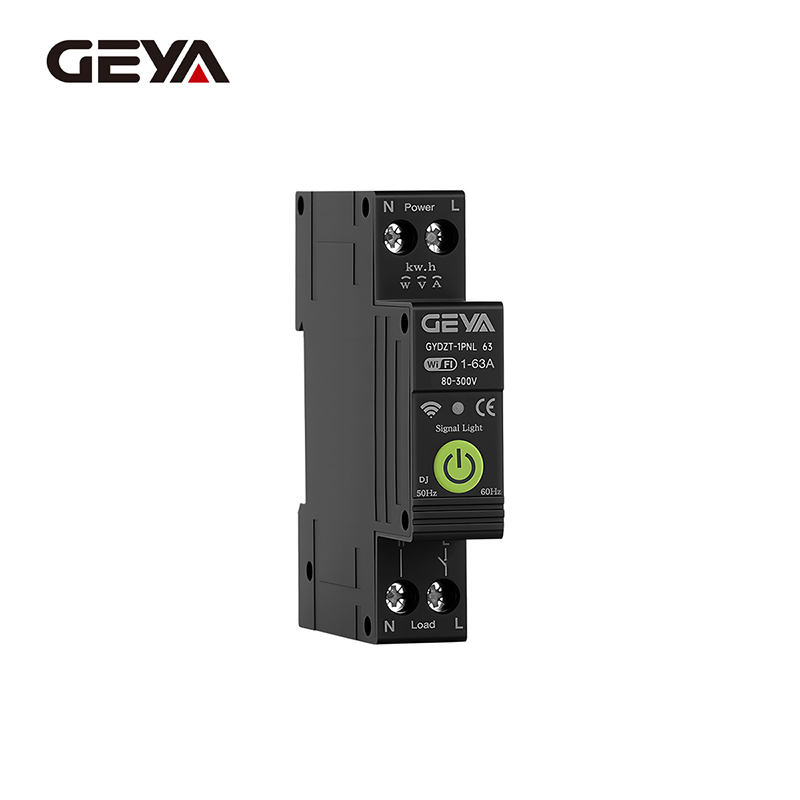
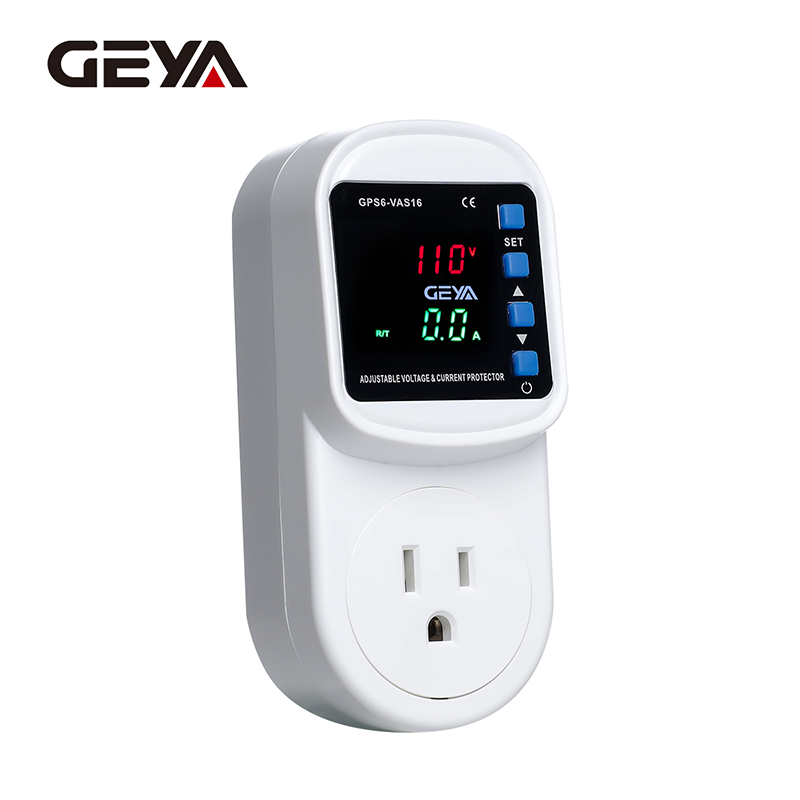
Navigating AC Molded Case Circuit Breaker (MCCB) Selection & Procurement
An engineering breakdown of critical parameters, fault interruption physics, and compliance benchmarks for electrical project managers.
Understanding the Core Operational Physics of Modern AC MCCBs
Alternating Current (AC) Molded Case Circuit Breakers (MCCB) serve as the backbone of low-voltage electrical distribution networks rated up to 1000V AC. Unlike standard Miniature Circuit Breakers (MCBs), which typically cap out at 125A frame sizes with fixed trip characteristics, AC MCCBs provide heavy-duty overcurrent protection ranging from 15A to 1600A frame currents, featuring adjustable thermal-magnetic or electronic trip units (ETU).
When an electrical fault occurs—whether an over-temperature prolonged thermal overload or a massive electromagnetic short-circuit surge—the MCCB must safely isolate the faulted circuit within milliseconds. The fundamental challenge during high-voltage AC arc interruption is extinguishing the plasma arc generated across the separating contacts. Modern top-tier AC MCCB manufacturers utilize engineered arc chute splitter plates, gas-evolving thermosetting resin casings, and fast-acting magnetic blow-out structures to achieve ultimate short-circuit breaking capacities (Icu) exceeding 100kA at 415V AC.
Icu vs. Ics Breaking Capacity
Ultimate Short-Circuit Breaking Capacity (Icu) defines the maximum fault current the MCCB can clear twice without catastrophic failure. Service Short-Circuit Breaking Capacity (Ics) represents the fault level the breaker can interrupt repeatedly while remaining fully operational. Leading manufacturers guarantee Ics = 100% Icu, ensuring maximum grid reliability post-fault.
Selectivity & Co-ordination
Engineered power grids require strict selective coordination (Zones A, B, C). Upstream AC MCCBs equipped with Microprocessor Electronic Trip Units allow precise time-delay tuning (Isd, tsd, Ii), enabling downstream branch breakers to clear localized faults without tripping main distribution feeders.
Thermal-Magnetic vs. Electronic ETU
Thermal-magnetic MCCBs utilize bimetallic strips for overload and solenoids for short-circuits—ideal for cost-effective standard commercial panels. Microprocessor ETU models deliver high-accuracy RMS sensing, harmonic filtering, and real-time power monitoring essential for data centers and healthcare environments.
Key Development & Engineering Trends in AC MCCBs
How digitalization, renewable energy integration, and sustainability mandates are reshaping circuit breaker design.
1. IoT Integration & Predictive Maintenance
The shift toward Industry 4.0 has transformed AC MCCBs from passive protection devices into intelligent edge nodes. Modern smart MCCBs incorporate RS485 Modbus, Ethernet, and Tuya/ZigBee wireless communication protocols. Integrated current transformers (CTs) and temperature sensors continuously monitor contact resistance, contact wear, phase imbalance, and harmonic distortion. Predictive maintenance algorithms notify facility engineers of potential arc faults or insulation breakdown long before catastrophic tripping occurs.
2. Solid-State & Hybrid Arc Interruption
Conventional mechanical contacts introduce mechanical wear and microsecond delays during trip execution. The industry is rapidly advancing toward Hybrid and Solid-State Circuit Breakers (SSCB). By combining power semiconductor switches (such as SiC MOSFETs or IGBTs) with mechanical isolation contacts, fault clearing times are reduced from 10–15 milliseconds down to under 100 microseconds. This drastically minimizes let-through energy ($I^2t$), virtually eliminating electrical flash hazards.
3. Solar PV & Energy Storage System (ESS) Compatibility
With the exponential expansion of commercial rooftop solar arrays and battery storage, low-voltage distribution systems experience bidirectional power flows and high short-circuit currents from grid-tied inverters. Manufacturers are designing specialized AC MCCBs rated for elevated operating voltages up to 800V AC or 1150V AC in solar power conversion systems, featuring reinforced phase barriers and non-polarized magnetic blowouts capable of handling variable fault profiles.
4. Eco-Friendly Materials & Circular Economy Design
Environmental regulations like RoHS and REACH are driving material innovations in breaker enclosure manufacturing. Top exporters are replacing traditional phenolic thermosetting resins with halogen-free, high-performance thermoplastic compounds that offer superior track resistance (CTI > 600V) while being 100% recyclable. Additionally, halogen-free arc-extinguishing chambers minimize toxic gas emissions during high-energy short-circuit operations.
AC MCCB Technical Selection Matrix
A comparative evaluation of standard frame sizes, trip technologies, and international standard compliances for B2B buyers.
| Frame Rating (In) | Trip Unit Type | Ultimate Breaking (Icu @ 415V) | IEC Standard | Primary Industrial Applications |
|---|---|---|---|---|
| 63A – 125A Frame | Thermal-Magnetic (Fixed) | 15kA – 36kA | IEC / EN 60947-2 | Commercial sub-panels, light machinery, sub-feeders |
| 160A – 250A Frame | Adjustable Thermal-Magnetic | 36kA – 50kA | IEC / EN 60947-2 | Industrial motor control centers (MCC), HVAC plants |
| 400A – 800A Frame | Microprocessor ETU (LSI) | 50kA – 85kA | IEC / EN 60947-2 | Main building distribution, transformer secondary protection |
| 1000A – 1600A Frame | Smart ETU + IoT Modbus | 85kA – 125kA | IEC / EN 60947-2 | Data centers, utility substations, heavy industrial plants |
Global Sourcing & Procurement Trends for 2025 and Beyond
Strategic considerations for EPC contractors, panel builders, and electrical wholesalers evaluating international manufacturing partners.
Supply Chain Resiliency & Dual Sourcing
Global electrical distributors are diversifying away from single-region dependence. Procurement teams actively seek high-capacity Asian manufacturing hubs capable of delivering tier-1 quality at competitive lead times, utilizing dual-sourcing strategies to mitigate regional transport bottlenecks.
Onsite Third-Party Verification
Self-declared compliance is no longer sufficient for mission-critical infrastructure projects. International buyers demand factory audits validated by accredited independent inspection bodies such as SGS Group, TÜV Rheinland, or Intertek to verify actual production capacity and testing rigor.
Custom OEM/ODM Branding & Certification
Leading exporters offer complete private-label manufacturing—including customized trip curve calibration, laser-etched branding, bespoke housing colors, and multi-lingual documentation—backed by existing CB test certificates to expedite local certification.
Zhejiang Henergy Electrical Co., Ltd. — Verified Manufacturing Excellence
Established in February 2007, Zhejiang Henergy Electrical Co., Ltd. is located in Daqiao Industrial Zone, Beibaixiang Town, Yueqing, Wenzhou, Zhejiang, China—the globally recognized capital of low-voltage electrical apparatus. As a specialized manufacturer rather than a trading intermediary, Henergy operates a state-of-the-art facility spanning 5,000 to 10,000 square meters.
The company manufactures over 400 product models across 100 types and 5 major product series, including Miniature Circuit Breakers (MCB), Residual Current Circuit Breakers (RCCB/RCBO), Molded Case Circuit Breakers (MCCB), AC Contactors, Automatic Transfer Switches (ATS), Voltage/Current Protectors, and Modular Time Relays.
Fully certified ISO 9001 quality management framework overseeing all 10+ in-house production lines.
Products certified with CB, CE, UL, VDE, SAA, and CCEE credentials matching target import markets.
Independently verified onsite by SGS Group, serving distributors across Europe, South Asia, Middle East, and Americas.
Frequently Asked Questions for Electrical Buyers & Engineers
Clear, authoritative answers addressing common technical inquiries, compliance requirements, and order parameters.
What is the primary technical difference between an MCB and an MCCB?
The primary differences lie in current rating, frame size, breaking capacity, and trip adjustability. Miniature Circuit Breakers (MCBs) generally handle currents up to 125A with fixed trip curves and breaking capacities typically under 10kA. Molded Case Circuit Breakers (MCCBs) handle current ratings up to 1600A, feature ultimate short-circuit breaking capacities (Icu) up to 100kA or higher, and offer adjustable thermal-magnetic or electronic trip units (ETU) to fine-tune protection parameters for complex industrial loads.
How do I correctly size an AC Molded Case Circuit Breaker for continuous loads?
According to standard electrical installation guidelines (such as IEC 60364 and NEC), an AC MCCB should be sized so that its rated current ($I_n$) is not less than 125% of the continuous load current plus 100% of the non-continuous load current. Furthermore, the breaker's breaking capacity ($I_cu$) must equal or exceed the maximum prospective short-circuit current calculated at the point of installation within the distribution system.
What testing protocols ensure the reliability of AC MCCBs before export?
Every certified AC MCCB undergoes strict routine and type testing per IEC 60947-2 standards. Routine factory tests include dielectric voltage withstand tests, mechanical operation validation (open/close/trip cycles), thermal trip calibration checks, and instantaneous magnetic trip verification. Type tests conducted in accredited laboratories evaluate ultimate breaking capacity (Icu), service breaking capacity (Ics), short-time withstand current ($I_{cw}$), and temperature rise limits under full continuous current.
What minimum order quantities (MOQ) apply for standard vs. OEM/ODM orders?
Standard model orders for circuit protection devices, Automatic Transfer Switches, and relays typically start at 10 to 50 pieces per model. For customized OEM/ODM projects involving custom laser etching, bespoke color molding, private-label packaging, or custom trip curve tuning, MOQs generally start at 100 to 500 units depending on the frame size and tooling requirements.
Which international payment terms and delivery Incoterms are supported?
Flexible international commercial terms are provided to streamline procurement, including FOB, CFR, CIF, EXW, FCA, CPT, CIP, and DDP. Standard payment options include Wire Transfer (T/T), Letter of Credit (L/C at sight), D/P, D/A, PayPal, and Western Union in major global currencies such as USD, EUR, GBP, AUD, CAD, JPY, and CNY.
Partner with a Verified Circuit Protection Manufacturer
Request detailed product catalogs, technical datasheets, certified test reports, or factory-direct bulk pricing from our senior engineering team today.
Inquire Now