Voltage Protector
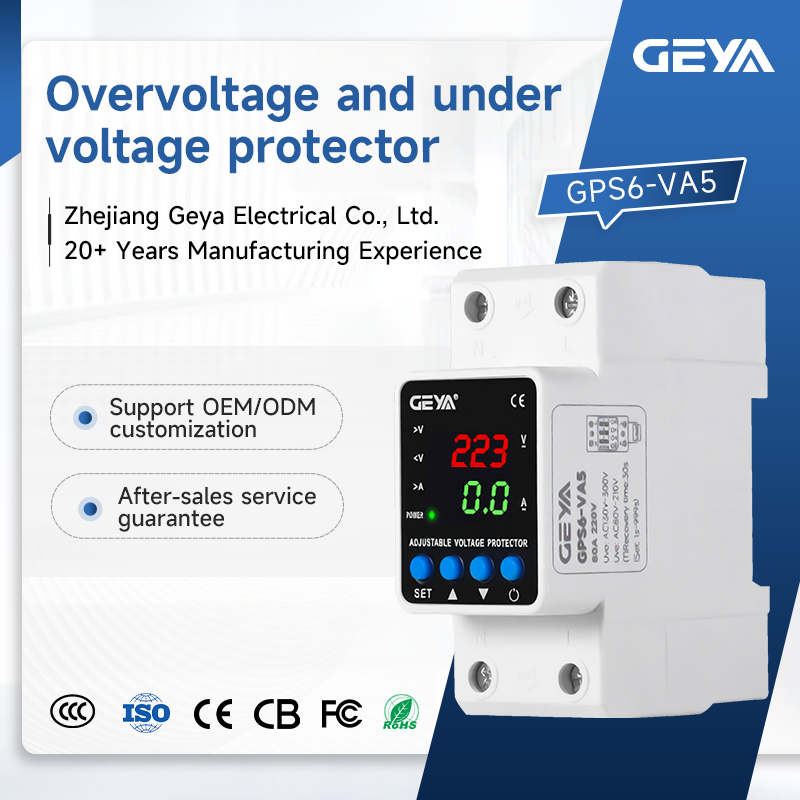
GEYA New Arrival GPS6-VA5 2P 80A AC220V Auto Reconnect Adjustable Voltage Current Protector
- Rated Current: 80A (Adjustable)
- Voltage: AC220V (40-70Hz)
- Auto Reconnect Functionality
High-performance miniature circuit breakers, automatic transfer switches, and intelligent protection modules certified with CE, CB, and SAA approvals for global distribution.

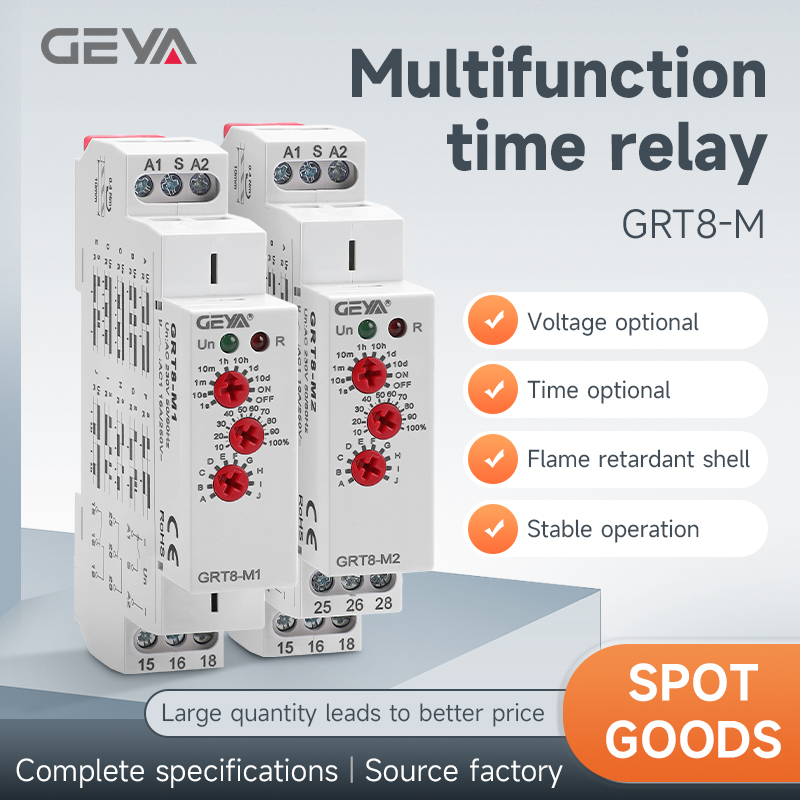

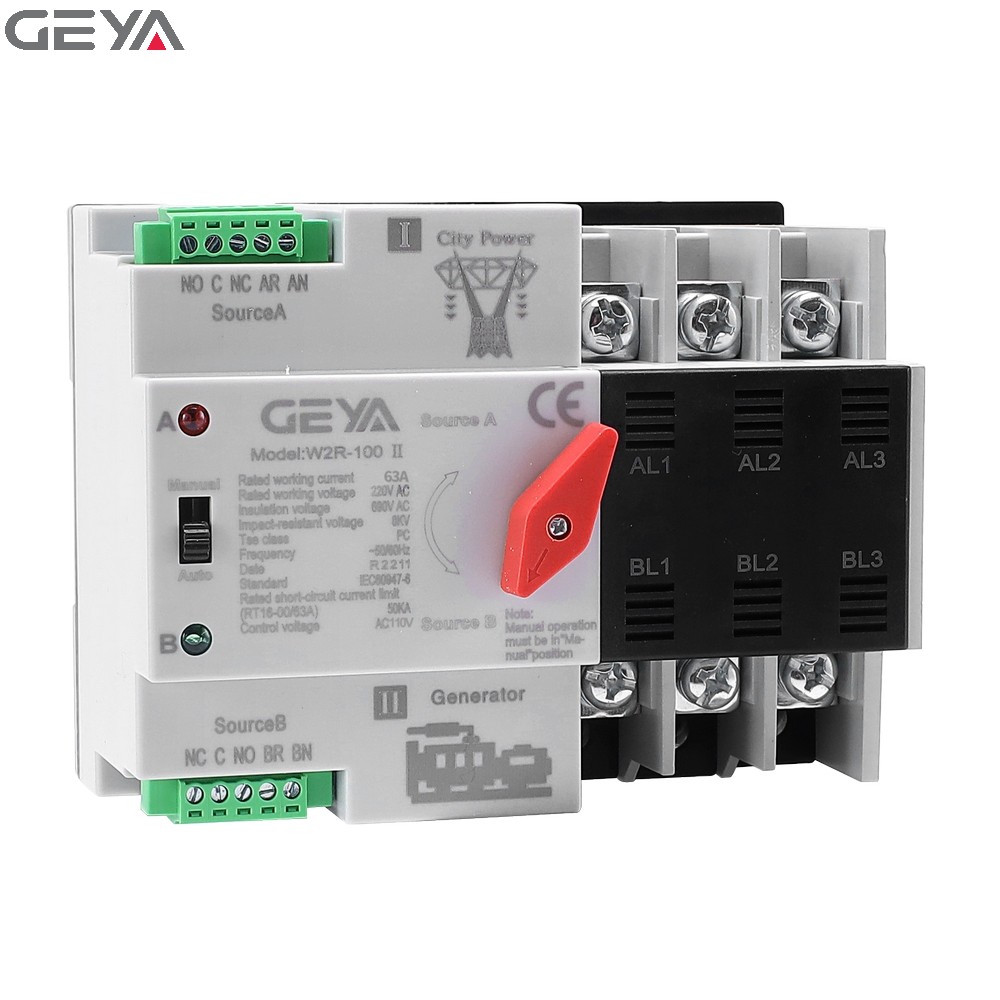
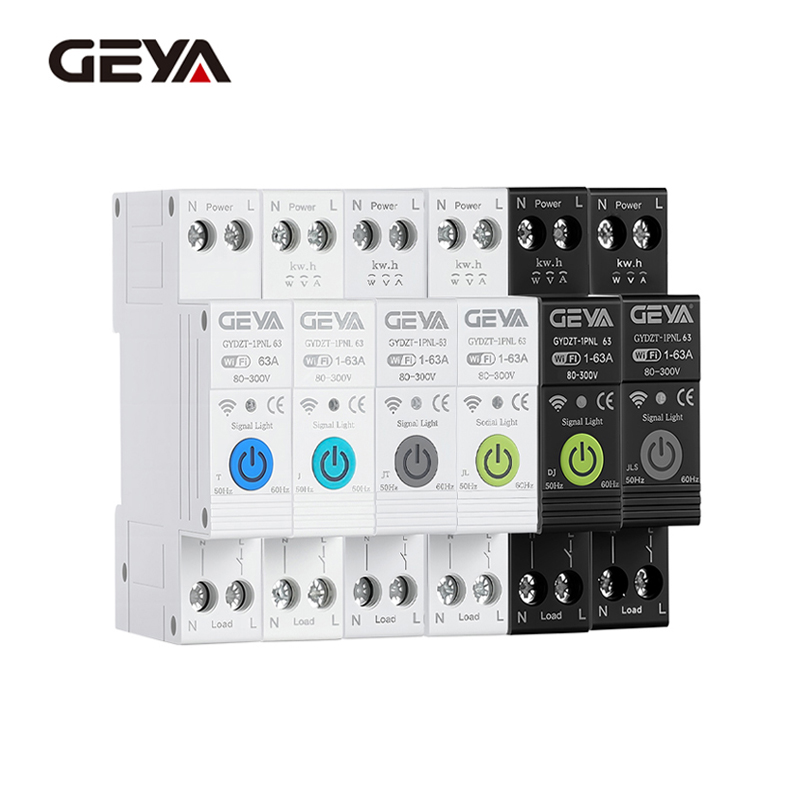
Zhejiang Henergy Electrical Co., Ltd. (operating with global OEM/ODM brand experience since February 2007) is situated in Yueqing, Wenzhou—the internationally recognized capital of China’s low-voltage electrical industry cluster. As a direct-factory manufacturer verified onsite by SGS Group, we specialize in the end-to-end design, tooling, plastic injection molding, calibration, and automated assembly of modern low-voltage circuit protection equipment.
Our comprehensive production spectrum spans Miniature Circuit Breakers (MCB), Residual Current Circuit Breakers with Overcurrent Protection (RCBO), Residual Current Circuit Breakers (RCCB), Molded Case Circuit Breakers (MCCB), Low-Voltage AC Contactors, Automatic Transfer Switches (ATS), and Digital Voltage/Current Protection Relays. With over 400 standard models distributed across 5 core product series, we deliver robust electrical safety architectures for residential distribution boards, commercial real estate infrastructure, industrial control cabinets, and renewable solar photovoltaic (PV) array systems.
Unlike assembly-only sourcing companies, Henergy executes 100% in-house quality control—from raw bimetal strip calibration and silver-alloy contact testing to full-spectrum arc-extinguishing chamber simulation under IEC/EN 60898-1 and IEC 60947-2 international standards.
Understanding trip curve physics, ultimate breaking capacity (Icu), and arc quenching mechanism design for robust electrical power protection.
An AC circuit breaker must protect conductive lines against two primary electrical fault modes: continuous overloads and instant short-circuit surges. Standard miniature circuit breakers utilize a precision electro-mechanical system:
When breaker contacts separate under an AC load, the high electrical field ionizes the air gap, maintaining an intense plasma arc exceeding 3,000°C. Modern low-voltage AC circuit breakers manufactured by Henergy incorporate advanced arc chute structures featuring insulated splitter plates. The magnetic field created by the arc force drives the arc flame into the splitter plates, which divides the singular arc into multiple series arcs. This rapidly increases the total arc voltage above the system supply voltage, forcing zero-crossing arc extinction within milliseconds and preventing housing melt-through.
| Curve Type | Instantaneous Trip Range ($I_n$) | Thermal Tripping Time | Primary Application Target |
|---|---|---|---|
| B Curve | $3 \times I_n$ to $5 \times I_n$ | $1.13 \times I_n$ (>1h), $1.45 \times I_n$ (<1h) | Resistive loads, domestic lighting, long cable runs, telecom power equipment. |
| C Curve | $5 \times I_n$ to $10 \times I_n$ | $1.13 \times I_n$ (>1h), $1.45 \times I_n$ (<1h) | Standard commercial lighting, inductive residential loads, small transformers, pumps. |
| D Curve | $10 \times I_n$ to $20 \times I_n$ | $1.13 \times I_n$ (>1h), $1.45 \times I_n$ (<1h) | High inrush inductive machinery, large industrial motors, welding plant transformers, UPS systems. |
Key technology transitions shaping bulk purchasing decisions for electrical distributors, panel builders, and OEM brands over the next decade.
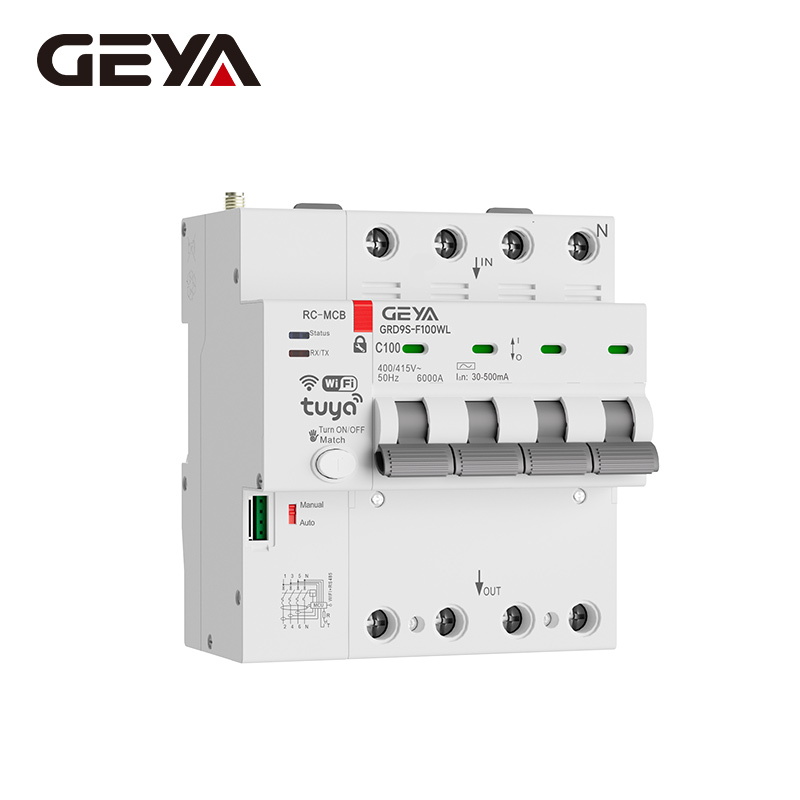
B2B buyers are shifting away from traditional passive switchgear toward intelligent MCBs with integrated WiFi, Zigbee, or Modbus RS485 communication interfaces (such as our GEYA GRD9S and GYDZT series). These smart breakers enable real-time power metering, remote telemetry, leakage current tracking, and predictive trip alarms directly to cloud dashboards.
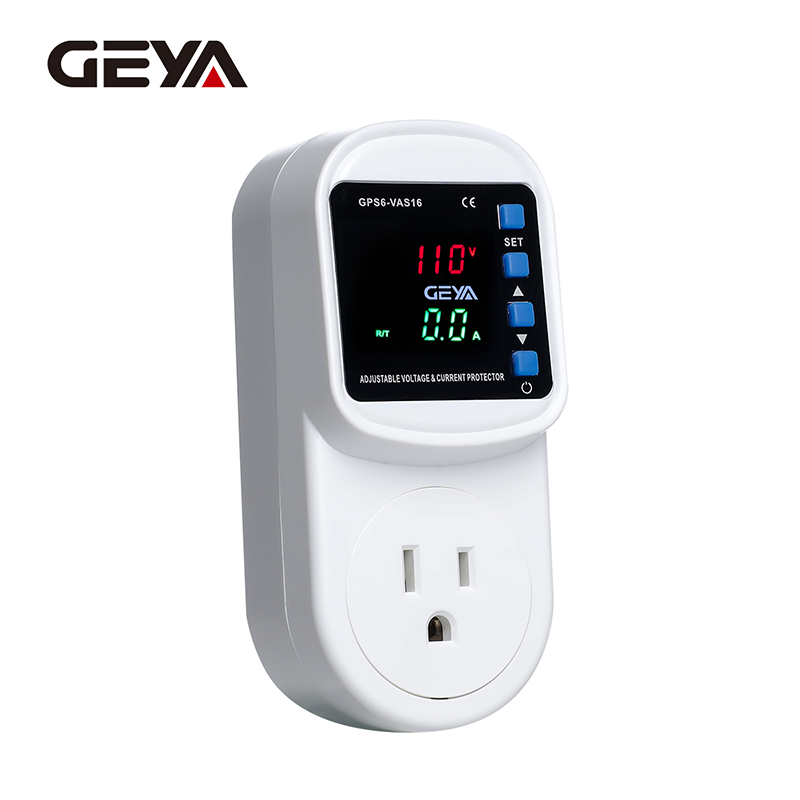
With the expansion of 5G telecom towers, remote solar PV farm junction boxes, and smart municipal streetlights, demand for motorized auto-reclosing circuit breakers and automatic voltage protectors is accelerating. Buyers prioritize devices that automatically evaluate line stability and auto-reset after transient grid disturbances, minimizing physical technician dispatch costs.
The rapid adoption of residential energy storage systems (ESS) and solar inverters requires specialized AC circuit breakers capable of operating seamlessly alongside high-voltage DC protection devices (e.g., GYM9 Series). Procurement teams require certified single-vendor sourcing across both AC grid-side and DC solar-side breaker lines to streamline compliance documentation.
Environmental regulations across the EU, North America, and Australia are imposing stricter limits on heavy metals and toxic plastics. Forward-thinking suppliers utilize halogen-free, flame-retardant PA66 nylon housings with high glow-wire test indices (GWFI 850°C), ensuring products comply with environmental mandates without sacrificing thermal insulation capability.
How next-generation semiconductor materials, digital twin analytics, and extreme miniaturization are re-engineering the low-voltage landscape.
The industry is transitioning toward solid-state circuit breaker architectures utilizing power semiconductors (GaN/SiC MOSFETs). While electromechanical breakers trip in milliseconds, SSCB units trip within microseconds, eliminating mechanical wear and completely suppressing electrical arcing during high-energy short circuits.
Future commercial circuit breakers will embed micro-sensors that measure contact temperature, trip operation cycles, and total interrupted fault current ($I^2t$ energy accumulation). Internal microprocessors calculate remaining contact lifespan and broadcast predictive maintenance alerts before terminal failure occurs.
As electrical enclosures become denser, spatial footprint is a critical design constraint. R&D efforts focus on increasing breaking capacity (up to 10kA in a compact 18mm 1P frame) without increasing physical enclosure dimensions, maximizing available terminal space inside crowded industrial switchboards.
Proven manufacturing infrastructure, rigorous international certifications, and flexible OEM/ODM collaboration models.
Located in the Yueqing electrical hub, our 5,000–10,000 m² modern production plant houses 10+ high-efficiency automated lines, ensuring direct factory pricing, zero intermediary margins, and stable lead-time delivery for high-volume orders.
Our operations hold ISO 9001 quality system certification, with product lines compliant with CE, CB Scheme, SAA, UL, and VDE standards. Onsite verification by SGS Group confirms our manufacturing integrity, equipment precision, and testing compliance.
Over 12 years of specialized OEM expertise catering to international brands. We offer end-to-end customization, including custom rated current calibration, specific tripping curves, laser-engraved brand logos, bespoke terminal covers, and multi-language retail packaging.
Serving importers, engineering contractors, and wholesalers in 60+ countries across Europe, South America, the Middle East, and Southeast Asia. Flexible Incoterms (FOB, CIF, EXW, DDP) and multi-currency payment options ensure smooth commercial execution.
Answers to common technical, compliance, and ordering questions encountered by global electrical buyers.
Connect directly with our engineering sales team to request technical datasheets, factory-direct wholesale price sheets, product certification copies, or custom OEM project evaluations.