Solar PV DC

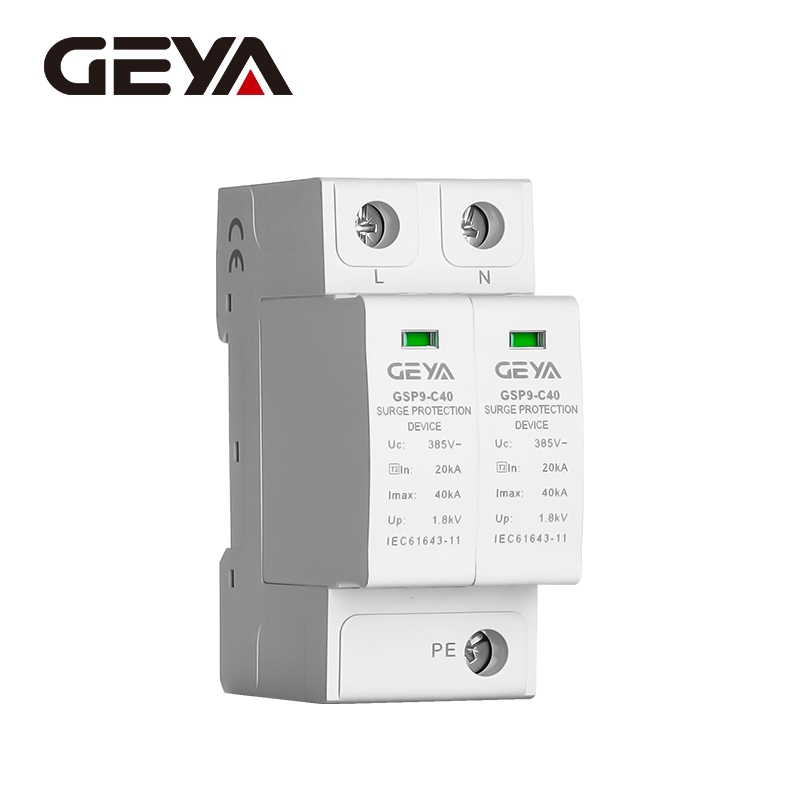
GEYA GSP10-C40PV 3P 40kA 1000VDC PV DC SPD T2 Surge Protector
- Voltage: 1000VDC 3P T2
- Max Discharge Current: 40kA
- Solar Energy System Protection
Engineered for global low-voltage distribution networks. Fully compliant with IEC 61008-1, IEC 61009-1, and IEC 61643-11 standards.
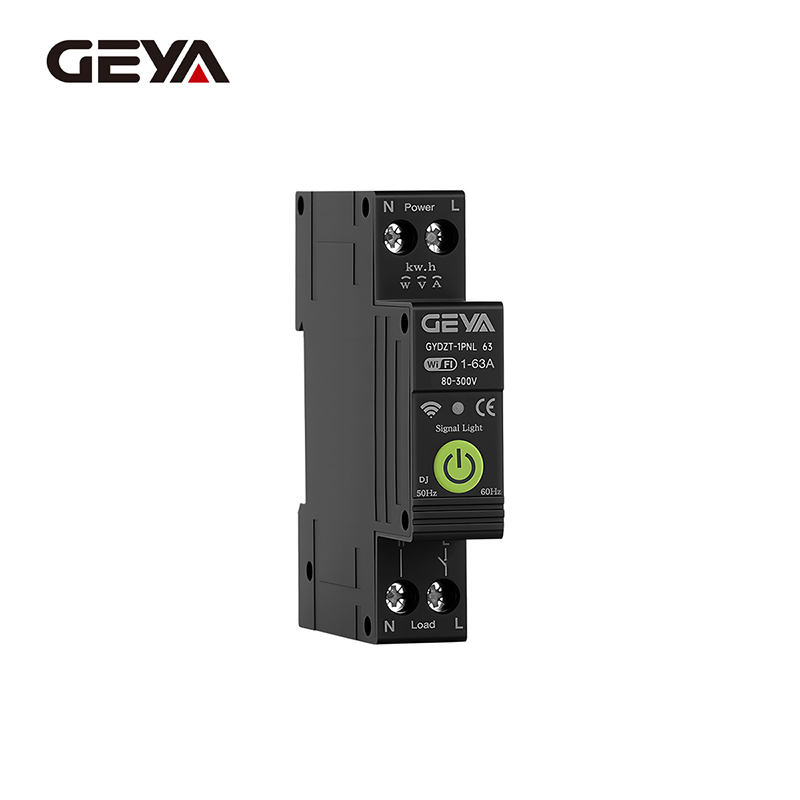
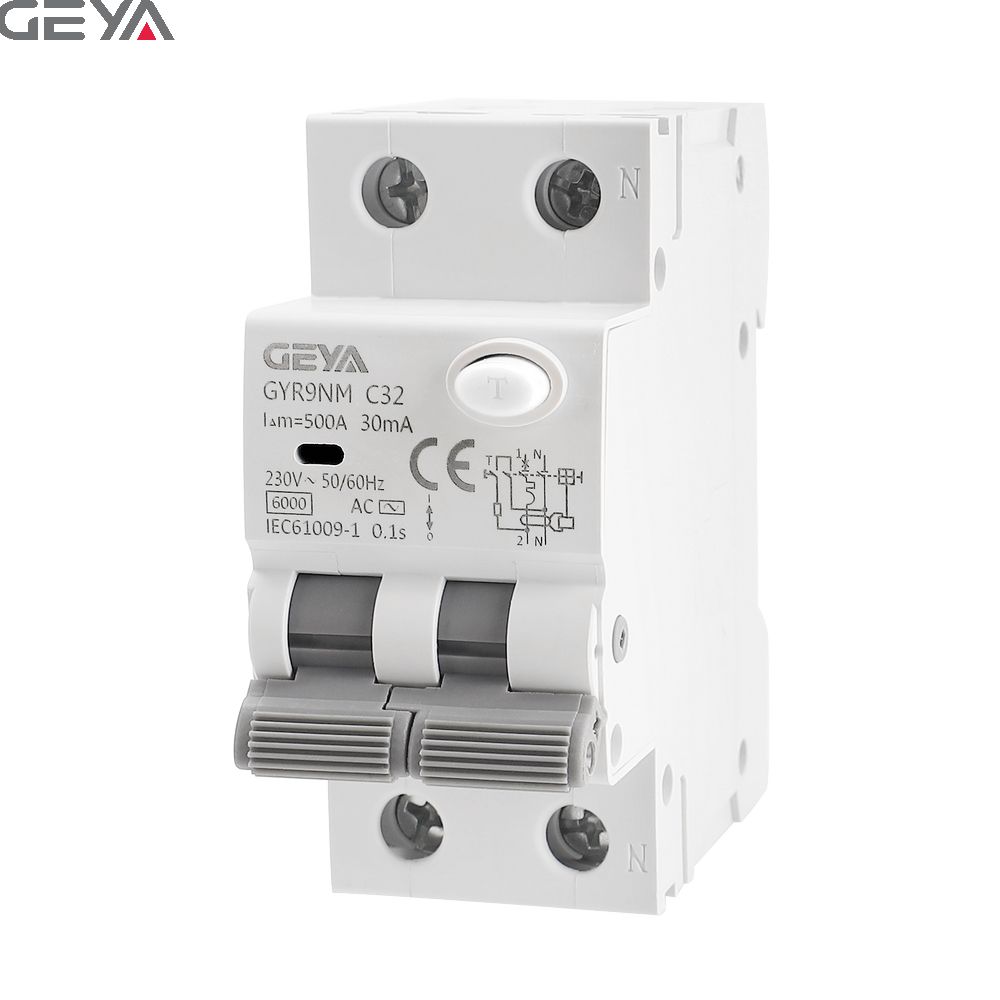

In modern low-voltage electrical distribution systems, Residual Current Devices (RCDs)—including Residual Current Circuit Breakers (RCCBs) and Residual Current Breakers with Overcurrent Protection (RCBOs)—serve as the primary baseline for human shock protection and electrical fire prevention. As global energy systems transition toward renewable power integration, non-linear industrial loads, and EV charging infrastructures, China has emerged as the premier manufacturing epicentre for certified residual current technology.
Selecting the appropriate electrical supplier requires an in-depth understanding of device topology, wave-detection capabilities, electromagnetic tripping mechanisms, and international standard compliance. This authoritative procurement report evaluates the current technological state, global supply chain dynamics, and regulatory trends governing Chinese electrical exporters.
EEAT Technical Insight: Traditional AC-Type RCDs are increasingly prohibited in major European, Australian, and North American installations due to their inability to detect pulsating DC residual currents created by modern switch-mode power supplies (SMPS) and solar inverters. Importers must prioritize Type A, Type F, and Type B residual current devices to satisfy modern regulatory standards.
Electrical engineers and OEM buyers must balance physical panel footprint, system continuity, and protection scope when designing distribution boards. The table below delineates the critical technical parameters for low-voltage residual current equipment:
| Protection Category | Standard Compliance | Primary Function | Sensitivities ($I_{\Delta n}$) | Typical B2B Applications |
|---|---|---|---|---|
| RCCB (Residual Current Switch) | IEC / EN 61008-1 | Earth leakage detection & shock prevention (Requires backup MCB) | 10mA, 30mA, 100mA, 300mA, 500mA | Residential main boards, commercial lighting, wet environments. |
| RCBO (Combined Breaker) | IEC / EN 61009-1 | Earth leakage + Overload + Short-circuit protection in one unit | 30mA (Personal protection), 100mA/300mA (Fire protection) | High-density DIN rail panels, dedicated appliance circuits, server racks. |
| Type B Residual Protection | IEC 62423 / IEC 60947-2 | Detects Sinusoidal AC, Pulsating DC, and Smooth DC residual currents | 30mA, 300mA ($I_{\Delta n} \le 6\text{mA}$ DC trip thresholds) | Solar PV string inverters, EV Charging Stations (IEC 62955), VFD motor drives. |
| DC Surge Protective Device (SPD) | IEC / EN 61643-11 | Transient overvoltage suppression against indirect lightning strikes | $I_n = 20\text{kA}$, $I_{max} = 40\text{kA}$ (1000V DC / 1500V DC) | Solar PV combiner boxes, DC buslines, energy storage systems (ESS). |
A fundamental engineering distinction during global sourcing lies between Voltage-Independent (Electromechanical) and Voltage-Dependent (Electronic) residual current devices.
Electromechanical RCDs utilize a zero-sequence current transformer (ZSCT) connected directly to a high-sensitivity magnetic polarized relay (permalloy core). When an earth fault occurs, the induced secondary vector imbalance supplies sufficient energy to trip the mechanical latch directly from the fault current itself—without relying on line supply voltage. This guarantees personal shock protection even if the neutral conductor is severed ($N$-loss fault).
Conversely, Electronic RCDs employ solid-state processing boards to amplify the leakage signal before driving a shunt trip trip-coil. While offering compact micro-modular form factors and cost efficiency, electronic units require reliable operating voltage. Leading Chinese exporters such as Zhejiang Henergy Electrical Co., Ltd. manufacture both variants, ensuring compliance with strict electromechanical markets (such as the UK, Germany, and Australia) as well as electronic-friendly jurisdictions.
Advanced digital filter circuitry prevents nuisance tripping caused by high-frequency harmonics, LED driver surges, and capacitive leakage current spikes in modern buildings.
Integration of Tuya / RS485 Modbus communication modules allows real-time current metering, remote automatic reclosing, and predictive fault alarms directly to cloud dashboards.
Engineered with 12-plate silver-alloy arc splitter chutes and V-0 rated self-extinguishing polycarbonate housings to extinguish high-voltage DC arcs in sub-5 milliseconds.
The global low-voltage circuit protection market is undergoing a structural shift driven by four macro-trends. Importers and wholesalers who optimize their supply chain strategies around these developments will gain significant market advantage:
National wiring regulations (e.g., BS 7671 18th Edition in the UK, AS/NZS 3000 in Australia, and DIN VDE 0100-530 in Germany) are systematically phasing out Type AC breakers. The rapid proliferation of inverter-driven heat pumps, variable speed drives (VFDs), and solar PV infrastructure introduces smooth DC residual components that blind traditional Type AC transformers. Wholesale buyers are shifting up to 70% of their stock procurement to Type A (detects pulsating DC) and Type B (detects smooth DC up to 1kHz) residual current devices.
Real estate electrical panel space is increasingly constrained. Traditional 2-module RCBOs are rapidly being superseded by ultra-compact 18mm single-pole plus neutral (1P+N) RCBOs. Chinese manufacturing hubs in Yueqing have invested heavily in automated micro-assembly lines capable of producing 18mm RCBO units with short-circuit ratings up to $10\text{kA}$ ($I_{cn}$) without sacrificing dielectric isolation or thermal dissipation performance.
Unattended infrastructure—such as 5G telecom base stations, remote solar farms, highway monitoring cameras, and smart street lighting—requires intelligent circuit protection that eliminates costly manual maintenance dispatches. Smart WiFi and ZigBee auto-recloser breakers (such as the GEYA GYDZT and W2R series) monitor line health and automatically attempt reclosure only when downstream isolation is confirmed safe.
Headquartered in Yueqing, Wenzhou—China's world-renowned electrical capital—Henergy Electrical delivers verified factory-direct manufacturing backed by rigorous quality control.
Operates over 10 automated and semi-automated production lines covering 5,000 to 10,000 m² of specialized manufacturing space, independently verified on site by SGS Group.
Over 12 years of specialized OEM contract manufacturing experience for leading electrical brands, regional distributors, and engineering contractors worldwide.
Direct technical answers from our electrical application engineers regarding order minimums, international certification compliance, and product selection.
An RCCB (Residual Current Circuit Breaker) provides residual earth leakage shock protection but does not contain magnetic or thermal elements to protect against overloads or short circuits. It must be installed in series with a Miniature Circuit Breaker (MCB).
An RCBO (Residual Current Breaker with Overcurrent Protection) combines both RCCB earth-leakage protection and MCB overcurrent/short-circuit protection into a single modular device, saving space in the distribution panel.
An ELCB (Earth Leakage Circuit Breaker) is an older term. Voltage-operated ELCBs are obsolete, whereas current-operated ELCBs are equivalent to modern RCCBs.
Select based on the expected load waveform:
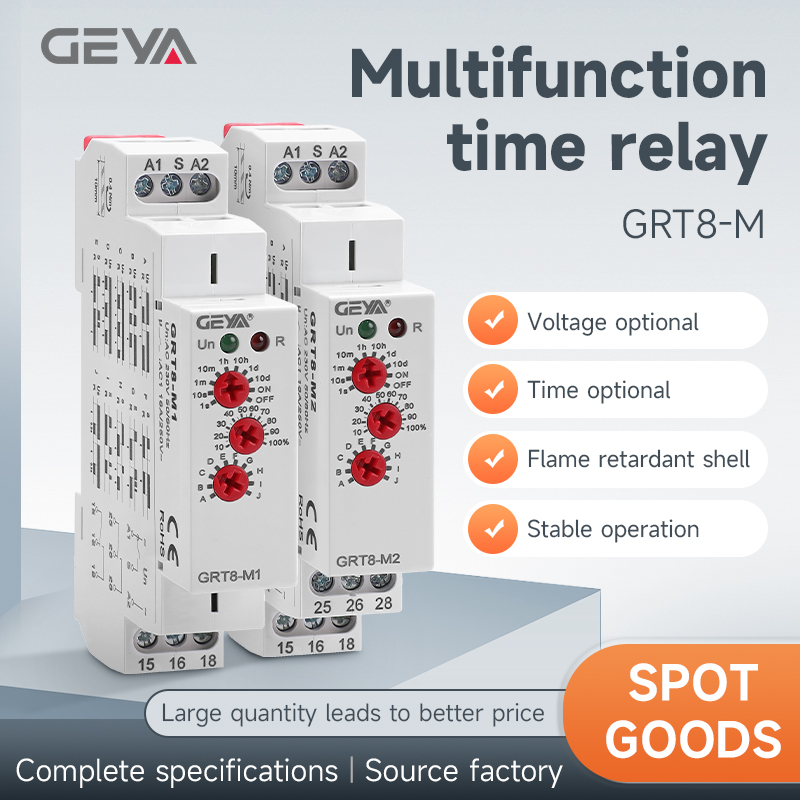
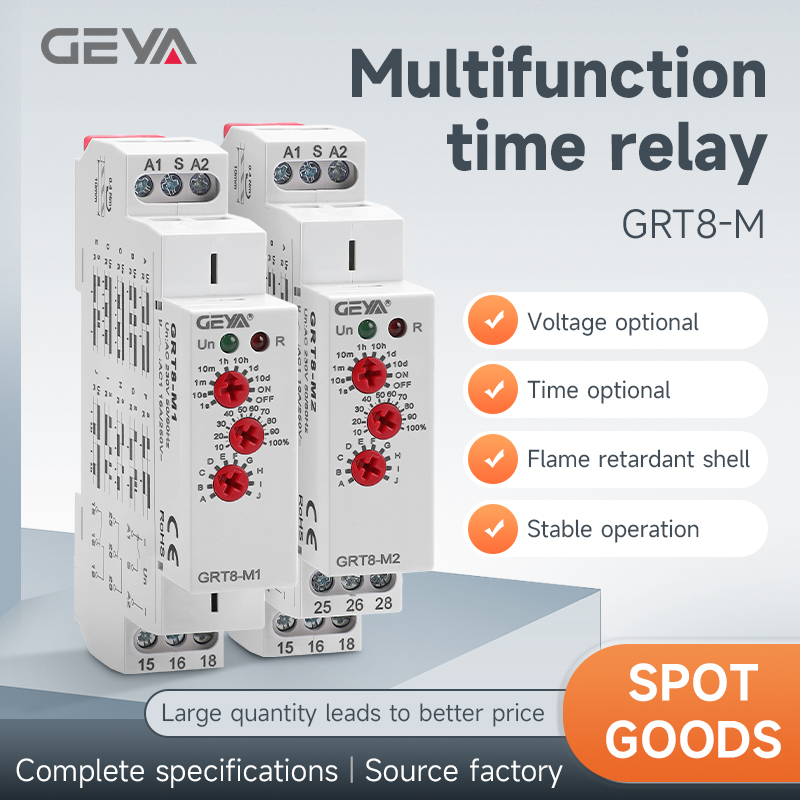
Standard stock items (such as standard RCCBs, timer relays, and AC surge protectors) start at low MOQs of 10 to 20 pieces per model. DC MCBs start at 50 pieces, and customized smart WiFi breakers start at 100 pieces.
For custom OEM branding (custom color housings, laser-etched buyer logos, specialized box packaging), typical lead time is 15 to 25 business days following sample approval. Expedited production runs are available for established distribution partners.
Our products are certified under international testing schemes tailored to destination markets:
Full copies of test reports and valid certificates matching your specific order model numbers are provided prior to shipment.
RCDs and SPDs perform distinct, complementary protective functions. An RCD detects micro-ampere earth leakage currents to prevent electrical electrocution and continuous fire hazards. A Surge Protective Device (SPD) diverts massive kilo-ampere transient overvoltage surges (caused by indirect lightning strikes or grid switching operations) safely to earth before they destroy sensitive microprocessor electronics inside RCDs, inverters, and smart appliances.
We accommodate flexible trade terms to integrate seamlessly with your logistics preference: FOB, CFR, CIF, EXW, FCA, CPT, CIP, and DDP/DDU. Accepted payment methods include Wire Transfer (T/T), Irrevocable L/C at sight, Western Union, PayPal, and credit card in major international currencies (USD, EUR, GBP, AUD, CAD, JPY, CNY).
Partner directly with China's leading circuit protection manufacturer. Contact our engineering sales team to receive competitive wholesale pricing, sample units, and complete technical specifications within 24 hours.