Engineered Modular Circuit Protection Solutions
Explore our SGS-verified, factory-direct range of modular circuit breakers, smart DIN-rail switchgear, surge protective devices, and automatic transfer switches manufactured strictly under ISO 9001 quality benchmarks.




Factory Authority & Sourcing Advantage in Yueqing
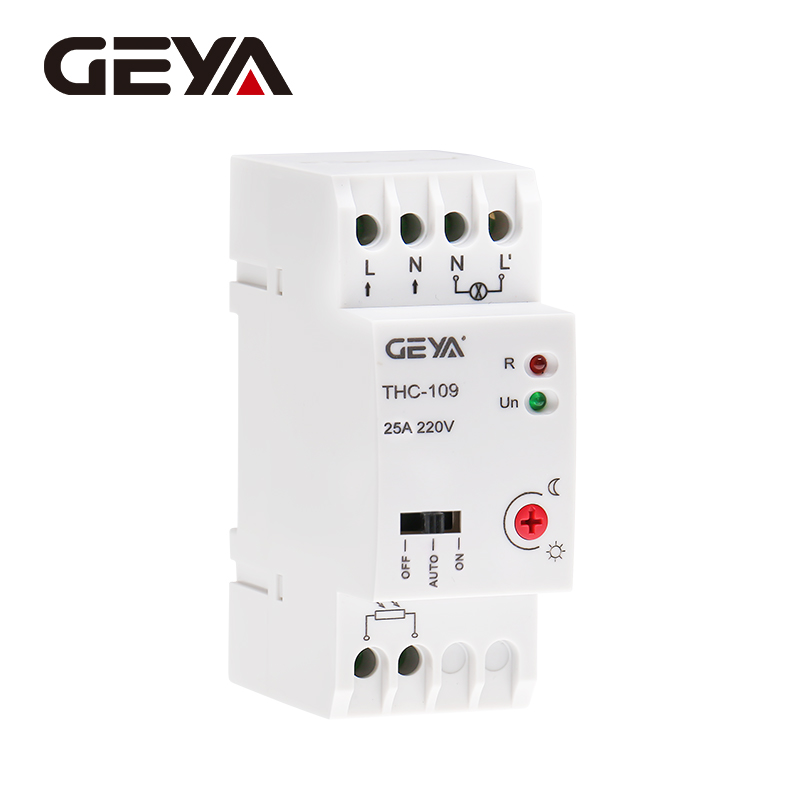
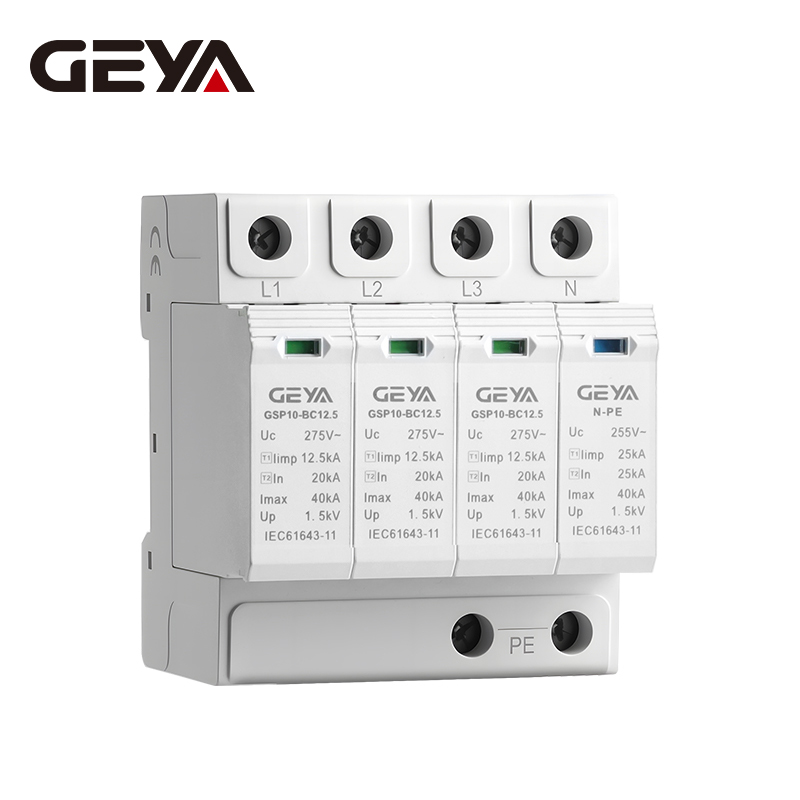
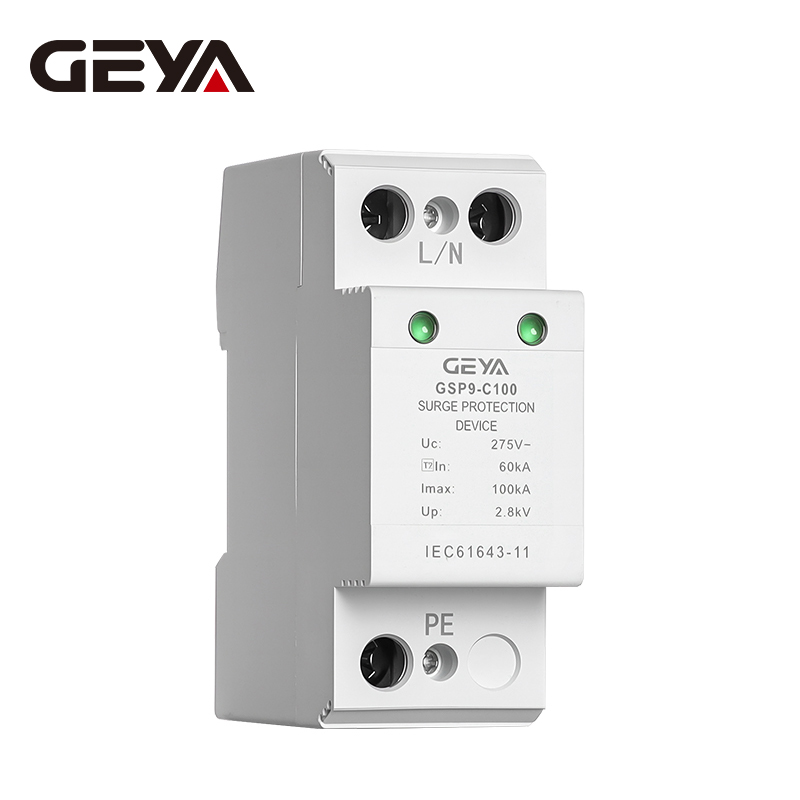
Headquartered in the Daqiao Industrial Zone, Beibaixiang Town, Yueqing (Wenzhou, Zhejiang Province)—widely recognized as China's low-voltage electrical apparatus manufacturing hub—Zhejiang Henergy Electrical Co., Ltd. stands as an SGS onsite-verified tier-1 manufacturer. Operating across a modernized 5,000–10,000 m² production infrastructure, we engineer, assemble, and inspect comprehensive low-voltage protection equipment including Miniature Circuit Breakers (MCB), Residual Current Circuit Breakers with Overcurrent Protection (RCBO), Automatic Transfer Switches (ATS), Surge Protective Devices (SPD), and Modular Time Relays.
Independently audited onsite by SGS Group. Verified operational integrity, fully equipped QA laboratories, and traceable supply chains for international buyer peace of mind.
ISO 9001 quality management system backing CE, CB (IECEE), SAA, VDE, and UL compliance certification options designed for smooth customs clearance and utility tenders.
Supplying panel builders, electrical importers, brand OEMs, and renewable energy EPC contractors across Western Europe, South America, Middle East, and Southeast Asia.
Modular Circuit Breaker Technology: Technical Architecture & Break Capacity Engineering
In modern low-voltage distribution networks (up to 1000V AC and 1500V DC), the Modular Circuit Breaker (MCB) serves as the primary protective device safeguarding conductors, electrical equipment, and end-user infrastructure against thermal overload currents and electromagnetic short circuits. Unlike traditional molded-case circuit breakers (MCCB), modular DIN-rail devices conform to standardized physical dimensions (typically multiples of 18mm module widths per pole) allowing high-density panel integration on standard IEC/EN 60715 35mm rails.
A high-performance modular MCB relies on a dual-tripping mechanism designed for precise time-current response curves (B, C, and D curves according to IEC/EN 60898-1):
- Inverse Time Delay Thermal Protection: Utilizes a calibrated bimetallic strip made of two bonded metals with differing thermal expansion coefficients. Prolonged overcurrent conditions cause ohmic heating ($I^2R$), bending the strip to release the mechanical latch.
- Instantaneous Electromagnetic Short-Circuit Protection: Employs a low-impedance solenoid coil. High-magnitude fault currents (3In–5In for B curve, 5In–10In for C curve, 10In–20In for D curve) generate an instantaneous magnetic force pulling a plunger directly into the trip bar, interrupting the fault within milliseconds.
When contact tips separate under electrical load or short-circuit fault conditions, an electric arc is drawn across the contact gap exceeding 3,000°C. China's top tier factories utilize specialized arc splitter chutes (typically comprising 9 to 13 steel de-ion plates) to stretch, cool, and extinguish the arc plasma.
Furthermore, contact tip metallurgical composition dictates contact resistance and electrical endurance. Premium MCBs incorporate Silver-Cadmium Oxide (AgCdO) or eco-compliant Silver-Tin Oxide (AgSnO2) rivets, preventing contact welding during high-Icu (Ultimate Short-Circuit Breaking Capacity) events reaching 6kA, 10kA, or 15kA under IEC 60947-2 testing protocols.
| Electrical Parameter | IEC/EN 60898-1 (Household / Commercial) | IEC/EN 60947-2 (Industrial Applications) | Solar PV DC Protection (IEC 60947-2) |
|---|---|---|---|
| Rated Voltage (Ue) | 230V / 400V AC (50/60Hz) | 240V / 415V / 690V AC | 250VDC (1P) up to 1500VDC (4P) |
| Rated Current (In) | 0.5A to 125A | 1A to 160A (Modular / Mini frame) | 1A to 63A / 125A DC |
| Breaking Capacity (Icu/Icn) | 4.5kA, 6kA, 10kA | 6kA, 10kA, 15kA, 25kA | 6kA, 10kA DC breaking capability |
| Arc Extinguishing Medium | Air De-ion Grid Chute | Heavy-Duty De-ion Grid + Blowout Magnet | Permanent Magnet Arc Extinguisher |
| Tripping Characteristics | B Curve (3-5In), C (5-10In), D (10-20In) | K Curve, Z Curve, Adjustable Electronic | DC Specific Non-polarized / Polarized Curves |
Future Sourcing Trends in Modular Circuit Protection (2025–2030)
As the global power sector accelerates toward digital decentralization, decarbonization, and smart grid automation, global procurement managers must realign their sourcing strategies. The global modular circuit breaker market is shifting rapidly from passive mechanical isolation toward active, telemetry-enabled power electronics.
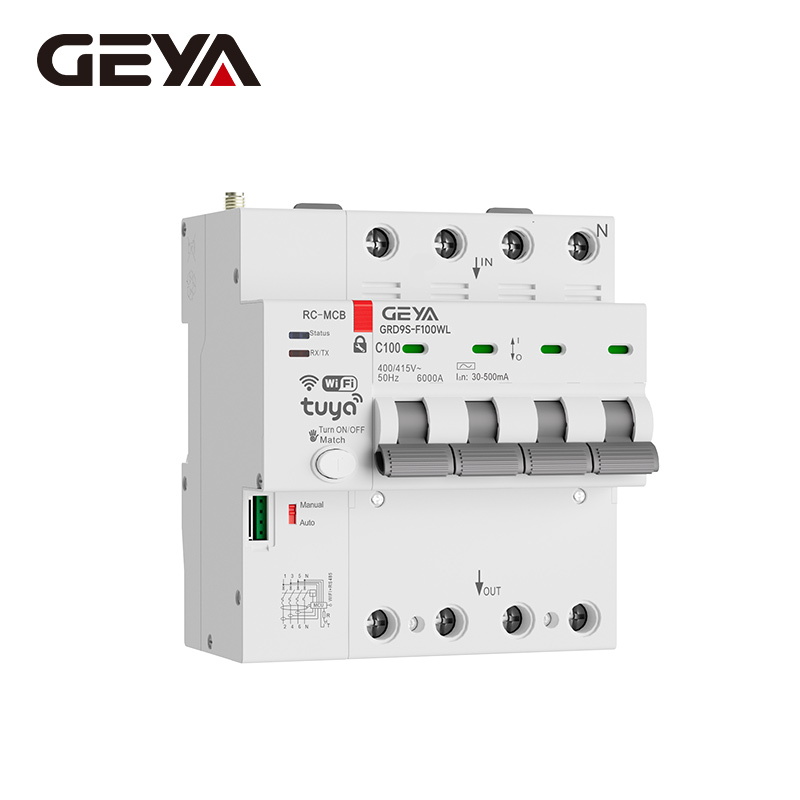
Traditional offline breakers are increasingly being replaced by WiFi, Zigbee, RS485 Modbus, and Matter-enabled Smart IoT Circuit Breakers (such as the GEYA GRD9S and GWS10 series). Sourcing directors are prioritizing devices featuring embedded shunt-trip micro-motors and current transformer (CT) metering chips. These devices enable remote switching, programmable scheduled auto-reclosing, and live tracking of voltage fluctuations, leakage current (mA), active power (kW), and temperature elevation directly via cloud protocols (Tuya, AWS IoT).
With commercial solar PV installations moving from 600V to 1000V and 1500V DC string topologies, standard AC breakers are entirely unsuitable due to the absence of a natural zero-crossing point in DC current arcs. Modern procurement pipelines require specialized DC MCBs (like the GEYA GYM9 DC series) and DC Surge Protective Devices equipped with internal permanent magnets that physically force continuous DC arcs into quenching chutes, eliminating fire hazards in battery storage (BESS) and solar combiner boxes.
Grid instability and extreme weather events have driven exponential demand for compact DIN-rail Automatic Transfer Switches (ATS). Sourcing managers are moving away from cumbersome motorized molded switches toward modular 16A-125A dual-power changeover switches (G2R / W2R series) capable of sub-50ms transfer times between utility grid lines, standby diesel generators, and hybrid solar inverters.
European Green Deal regulations, REACH, and RoHS 3.0 mandates now demand strict environmental accountability. Leading Chinese factories are replacing halogenated fire-retardant plastics with high-grade flame-retardant polyamide (PA66) housings rated at UL94-V0 glow-wire standards (850°C), ensuring fully recyclable thermoplastic structures without toxic smoke emission during thermal runaway.
Comprehensive Modular Circuit Breaker Sourcing FAQ
Detailed technical guidance prepared by our chief application engineering team to answer critical B2B sourcing, compliance, and selection questions.
What is the critical distinction between Icu (Ultimate Breaking Capacity) and Ics (Service Breaking Capacity) when evaluating a China MCB supplier?
Icu (Ultimate Short-Circuit Breaking Capacity) defines the maximum fault current an MCB can clear successfully under IEC 60947-2 testing (sequence: $O - t - CO$, where Open is followed by time delay $t$ and Close-Open). After clearing an Icu fault, the breaker is safely isolated but may no longer remain fully functional.
Ics (Service Short-Circuit Breaking Capacity) represents the fault current level at which the MCB can break repeatedly ($O - t - CO - t - CO$) and remain fully operational with uncompromised dielectric strength and thermal tripping accuracy. Premium manufacturers engineer MCBs with $Ics = 75\% \text{ to } 100\% \text{ of } Icu$, ensuring long-term operational durability.
Why must a dedicated DC MCB be specified for Solar PV arrays instead of a standard AC Miniature Circuit Breaker?
Alternating Current (AC) naturally passes through zero volts 100 or 120 times per second (at 50Hz/60Hz), which naturally collapses electrical arcing across contacts. Direct Current (DC) maintains constant voltage and current direction, creating continuous, extremely destructive arcs during contact separation.
Standard AC MCBs installed in DC PV circuits will fail to extinguish the arc, leading to contact welding, plastic housing melting, and severe fire hazards. A dedicated DC MCB (such as the GEYA GYM9 DC series rated up to 250VDC per pole or 1000VDC/1500VDC multi-pole) incorporates permanent arc-quenching magnets that pull the DC arc electromagnetically into the de-ion grid chamber.
How do I properly select the tripping curve (B, C, or D) for commercial and industrial project quotations?
Selecting the appropriate instantaneous magnetic trip curve prevents nuisance tripping while guaranteeing rapid fault clearing:
- B Curve (Trips between 3In and 5In): Ideal for purely resistive loads or long conductor runs where fault currents are limited (e.g., residential lighting, electronic equipment, electric heating).
- C Curve (Trips between 5In and 10In): The global standard for general inductive commercial loads, fluorescent lighting, household appliances, and general power socket circuits.
- D Curve (Trips between 10In and 20In): Engineereed specifically for high-inrush inductive loads such as industrial electric motors, transformers, UPS systems, and heavy power supplies.
What ambient temperature derating factors must be applied when installing MCBs inside compact outdoor distribution enclosures?
Standard MCBs are thermally calibrated at an ambient reference temperature of +30°C or +40°C in accordance with IEC 60898-1. When modular breakers are mounted closely side-by-side inside unventilated IP65 outdoor distribution enclosures exposed to solar radiation, internal temperatures often exceed +50°C to +60°C.
Under these conditions, thermal bimetal strips trip prematurely at currents below the rated nominal current ($In$). Sourcing engineers must apply a temperature correction factor (typically derating rated current by 0.85x to 0.90x at 50°C) or specify custom ambient-compensated breaker assemblies.
What OEM and ODM customization options does Zhejiang Henergy Electrical support for global importers?
Supported by over 12 years of OEM experience and 10+ dedicated production lines, Henergy offers end-to-end custom manufacturing including:
- Private-label laser pad printing on breaker front faces, custom brand box packaging, and multi-language instruction manuals.
- Custom trip curve calibration (B, C, D, K curves), custom operating voltages (110V AC, 220V AC, 400V AC, 12V-250V DC), and specific breaking capacity configurations (4.5kA to 10kA).
- Color-coded toggle switches, custom enclosure housing colors, and special terminal clamp plating for marine or corrosive environments.
What are the recommended Minimum Order Quantities (MOQ) and lead times for export orders?
Standard product catalog items (such as standard G2R/W2R ATS switches, GPS6 voltage protectors, and time relays) start at low MOQs of 10 to 20 pieces per model. Standard DC MCBs start at 50 pieces, while smart WiFi DIN-rail breakers start at 100 pieces. Full custom private-label OEM orders typically carry a 500 to 1000 piece MOQ per rating. Standard production lead time is 15 to 25 days post-deposit confirmation.
Quality Control Architecture: From Raw Materials to Final Shipping
To guarantee zero-defect delivery across 60+ export markets, Zhejiang Henergy Electrical enforces a strict 3-tier Quality Control (QC) framework verified during SGS onsite factory audits:
100% inspection of critical raw materials including high-purity electrolytic copper terminals, silver-alloy contact rivets (AgSnO2), bimetallic strips, and flame-retardant UL94-V0 polyamides using micro-hardness meters, X-ray plating thickness analyzers, and spectral instruments.
Automated mechanical latch calibration, high-voltage dielectric insulation withstand testing (2000V/1min), contact resistance testing, and continuous thermal-magnetic tripping characteristic sampling along our 10+ assembly lines.
Looking for reliable OEM/ODM manufacturing, CB/CE/SAA certified low-voltage components, or competitive factory-direct wholesale pricing? Connect directly with our Senior Export Engineering Team today.