Featured Low-Voltage Protection & Control Products
Factory-direct engineering solutions designed for electric motor safeguards, power switching, surge protection, and intelligent automation.
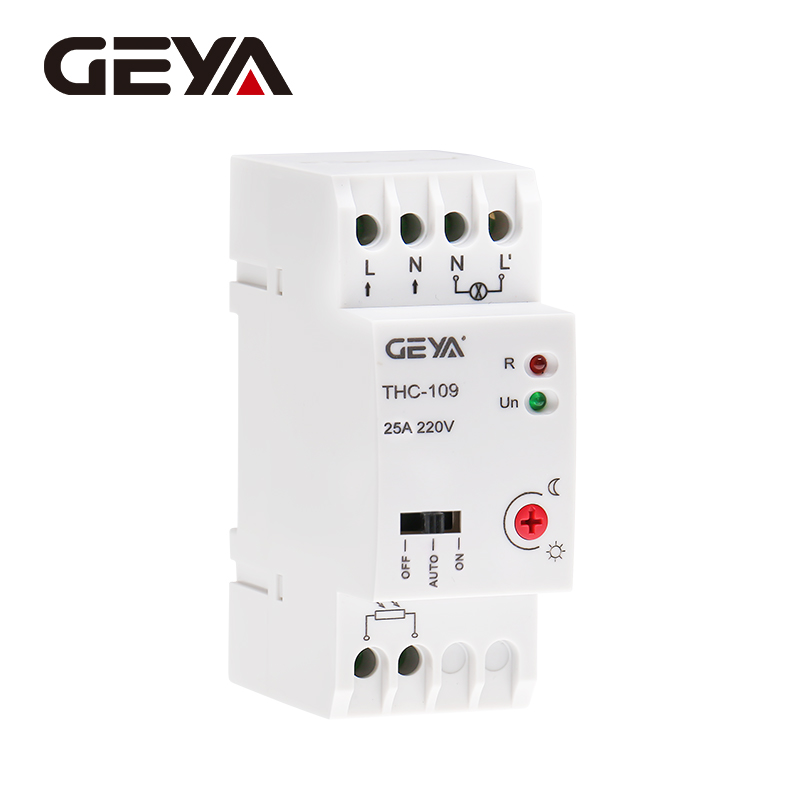



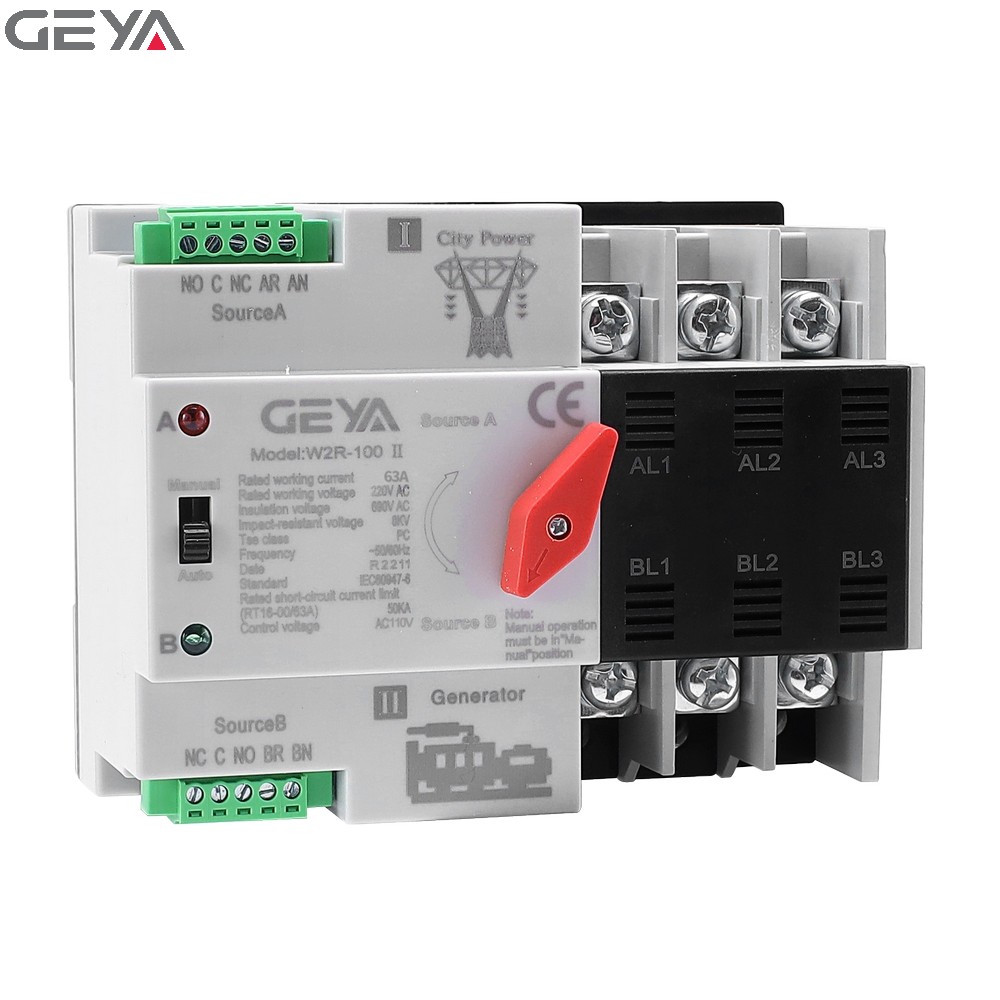
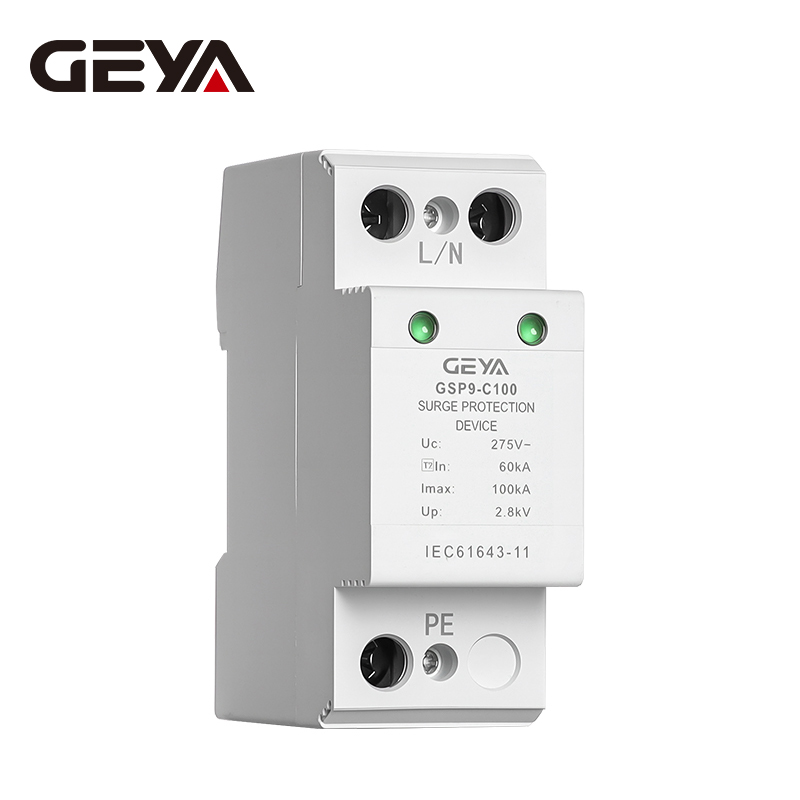

Executive Summary: The Critical Role of Motor Protection Circuit Breakers (MPCBs)
Electric motors are the undisputed workhorses of modern industrial infrastructure, consuming over 45% of total global electricity across manufacturing, HVAC systems, municipal water management, mining, and agricultural processing. However, electrical motors are notoriously vulnerable to operational anomalies such as thermal overloads, short-circuit faults, phase asymmetry, phase loss, and locked-rotor conditions. A failure to provide precise, high-speed electrical protection result in catastrophic coil burnout, costly downtime, fire hazards, and multi-million-dollar production halts.
A Motor Protection Circuit Breaker (MPCB)—also categorized under IEC 60947-4-1 standards as a Manual Motor Starter (MMS)—is a specialized electromechanical protection device designed specifically to combine the protection functions of a fuse, a thermal overload relay, and a miniature circuit breaker into a compact, single-unit DIN-rail modular package. Unlike standard distribution Miniature Circuit Breakers (MCBs) tailored primarily for cable protection against linear resistive loads, MPCBs feature adjustable thermal trip mechanisms calibrated to motor full-load currents ($I_e$), specialized magnetic instantaneous trip thresholds (typically 12 to 14 times rated current) to tolerate high inductive inrush currents without nuisance tripping, and built-in phase-failure differential protection.
This comprehensive industrial whitepaper examines the global manufacturing landscape, detailing the top 10 motor protection circuit breaker manufacturers and factories, evaluating structural procurement shifts, technical design innovations, and offering a robust engineering assessment framework for international B2B buyers, original equipment manufacturers (OEMs), panel builders, and electrical system integrators.
Technical Architecture: How MPCBs Differ from Standard MCBs and Thermal Relays
Understanding the fundamental engineering differences between standard low-voltage circuit protection devices and motor protection circuit breakers is paramount for system design engineers and procurement officers alike. The table below outlines the core operating parameters, trip mechanisms, and compliance standards governing these distinct product categories.
| Parameter / Feature | Motor Protection Circuit Breaker (MPCB) | Standard MCB (C-Curve / D-Curve) | Bimetallic Thermal Overload Relay |
|---|---|---|---|
| Primary IEC Standard | IEC 60947-4-1 / IEC 60947-2 | IEC 60898-1 / IEC 60947-2 | IEC 60947-4-1 |
| Primary Protection Focus | Motor windings, cable, & switching gear | Fixed wiring & resistive distribution loads | Motor thermal overload only (Requires external fuse/MCB) |
| Short-Circuit Breaking ($I_{cu}$) | High (Up to 50kA - 100kA at 400V) | Moderate (4.5kA - 10kA) | None (Requires series short-circuit protection) |
| Thermal Overload Setting | Adjustable rotary dial (e.g., 0.63A–1.0A, 16A–25A) | Fixed thermal rating ($I_n$) | Adjustable rotary dial |
| Phase-Failure Sensitivity | Built-in differential lever mechanism | Not available | Available in 3-pole differential models |
| Inrush Current Capability | Tolerates inductive inrush up to 13–15x $I_n$ | 5–10x $I_n$ (C-Curve), 10–20x $I_n$ (D-Curve) | Passive thermal response curve |
| Isolation Capability | Yes (Suitable for isolation per IEC 60947) | Yes | No switching capability |
Top 10 Motor Protection Circuit Breaker Manufacturers & Factories (2025 Global Landscape)
The global low-voltage motor protection market is defined by a combination of legacy Western technology giants and rapidly expanding, highly automated high-volume manufacturers concentrated in Asia—specifically in China's electrical capital, Yueqing, Wenzhou. Below is an analytical review of the top 10 global manufacturers and factories driving innovation, reliability, and supply chain capacity in the MPCB sector.
1. Schneider Electric (France)
Global market pioneer known for its TeSys GV series (GV2, GV3, GV4, GV7). Schneider sets industry benchmarks for digital trip integration, high short-circuit breaking capacity ($I_{cu}$ up to 100kA), and extensive direct-on-line (DOL) starter accessories. Their production network spans highly automated smart factories in Western Europe and Asia.
2. Siemens (Germany)
Siemens SIRIUS 3RV series represents German precision engineering in motor control and protection. Their factories utilize fully integrated digital twin manufacturing processes, offering MPCBs with screw, spring-type, or ring-cable lug terminals, seamless integration into Totally Integrated Automation (TIA) portals, and specialized approvals for hazardous area (ATEX) applications.
3. ABB (Switzerland)
ABB’s MS116, MS132, and MS165 manual motor starter ranges are renowned for their compact width designs, tool-free busbar connectability, and environmental durability. Operating advanced manufacturing units across Switzerland, Germany, and China, ABB emphasizes energy-efficient magnetic coils and eco-friendly recyclable housing materials.
4. Eaton (USA / Ireland)
Eaton’s PKZM0 and PKE series incorporate electronic wide-range overload protection, allowing a single device to cover current ranges that previously required multiple bimetallic models. Eaton focuses heavily on industrial control panel integration, SmartWire-DT connectivity, and North American UL 60947-4-1 Type E/F self-protected combination starter ratings.
5. Zhejiang Henergy Electrical Co., Ltd. (China)
Operating from Daqiao Industrial Zone, Yueqing, Henergy (Zhejiang Henergy Electrical Co., Ltd.) is an SGS onsite-verified manufacturing powerhouse specializing in low-voltage circuit protection, automatic transfer switches (ATS), modular relays, surge arresters, and custom OEM/ODM motor protection components. Operating 10+ automated assembly lines with strict ISO 9001 quality controls, Henergy supplies certified protection equipment to distributors across 60+ countries.
6. Fuji Electric (Japan)
Fuji Electric’s BM3 series delivers Japanese precision in compact motor switching and protection. Designed for high switching endurance in tight machine builder control cabinets, Fuji’s factories emphasize rigorous quality testing, high short-circuit withstand capabilities, and low internal power loss.
7. Rockewell Automation / Allen-Bradley (USA)
Allen-Bradley 140M motor protection circuit breakers are optimized for industrial automation networks across North and South America. Featuring modular snap-on auxiliary contacts, shunt trips, and undervoltage releases, Allen-Bradley focuses heavily on heavy-duty industrial environments and seamless integration with ArmorStart distributed motor controllers.
8. LS ELECTRIC (South Korea)
LS ELECTRIC (MMS 32S/32H/63S/100H series) is a leading Asian manufacturer delivering high-performing, cost-effective motor starters. Known for flexible terminal connections, high breaking capacity up to 100kA at 415V, and extensive commercial building adoption across Asia-Pacific and the Middle East.
9. CHINT Electrics (China)
CHINT's NS2 series manual motor starters represent high-volume low-voltage manufacturing capability. Operating massive automated production bases in Zhejiang, CHINT focuses on worldwide standard distribution, holding comprehensive CE, CB, and Semko certifications for industrial commercial projects.
10. Havells / WEG (Global Alliance)
WEG (Brazil/Global) and Havells specialize in heavy industrial motor protection. WEG’s MPW series is tailored specifically for global industrial motor protection, offering full coordination with CWB contactors, wide operating temperature ranges (-20°C to +60°C), and rugged housings certified for mining, oil & gas, and heavy manufacturing duty.
Future Technology & Engineering Development Trends in MPCBs
The low-voltage motor protection industry is undergoing a major paradigm shift driven by Industry 4.0, real-time energy efficiency mandates (IEC 60364-8-1), and the widespread adoption of Variable Frequency Drives (VFDs) and Smart Pumps. Engineers and technical buyers should evaluate the following technological trajectories:
1. Electronic Trip & Wide-Ratio Thermal Adjustment
Traditional bimetallic thermal trip units suffer from physical heat dissipation limits, requiring narrow adjustment ratios (e.g., 1:1.6, such as 16A to 25A). Advanced MPCBs are rapidly transitioning to micro-processor-controlled electronic trip units (ETUs) capable of 1:4 wide adjustment ranges, digitally precise Class 10/20/30 selectable trip curves, and immunity to ambient temperature fluctuations.
2. Smart IoT Connectivity & Predictive Maintenance
Modern factory automation demands real-time data transmission. Next-generation MPCBs integrate Modbus RTU, IO-Link, ZigBee, or Tuya Smart WiFi communication modules directly into auxiliary slots. This enables continuous monitoring of phase currents, contact wear percentages, operating thermal margins, trip history logging, and predictive maintenance alerts prior to physical equipment shutdown.
3. Solid-State Arc Quenching & Hybrid Switching
To reduce electrical arc energy during extreme short-circuit events, manufacturers are developing hybrid solid-state and mechanical arc-extinguishing chambers. By incorporating ultra-fast semiconductor commutation, arcing times are reduced from milliseconds to microseconds, vastly increasing ultimate short-circuit breaking capacity ($I_{cu}$) up to 100kA without physical degradation of internal contacts.
Global B2B Procurement Trends & Sourcing Strategies (2025-2030)
Procurement directors and electrical buyers face evolving supply chain realities, regulatory compliance demands, and economic pressures. Successfully navigating the motor protection breaker procurement landscape requires analyzing key sourcing shifts:
Shift to Direct China OEM/ODM Manufacturing
While Western tier-1 brands maintain strong brand recognition, international distributors are increasingly establishing direct relationships with verified Chinese manufacturers (such as Zhejiang Henergy Electrical Co., Ltd. in Yueqing). China's mature electrical supply chain offers 30%–50% cost advantages, flexible private-label customization, and rapid prototyping without sacrificing IEC/CB/CE compliance.
Multi-Standard Certification Bundling
Globalized project deployment requires equipment that holds universal regulatory compliance. Modern B2B procurement mandates bundled certification packages—requiring single MPCB product lines to maintain unified CE marking (Europe), CB Scheme test certificates (IECEE), SAA certification (Australia/New Zealand), and UL approvals (North America).
Demand for Modular Factory Assembly Kits
Panel builders are shifting away from buying isolated components toward purchasing fully integrated modular starter kits. Preferred suppliers are expected to supply pre-tested combination units including MPCBs, mini AC contactors, busbar connectors, IP65 waterproof enclosure boxes, and external rotary door-coupling handles under a single SKU.
Enterprise Advantage: Zhejiang Henergy Electrical Co., Ltd.
Founded in February 2007 in Yueqing, Wenzhou—China’s world-renowned electrical capital—Zhejiang Henergy Electrical Co., Ltd. has established itself as an SGS onsite-verified manufacturer of low-voltage circuit protection devices, automatic transfer switches (ATS), modular relays, and surge arresters.
SGS Onsite Verified Factory
Fully evaluated and verified on site by SGS Group, operating a 5,000–10,000 m² modern manufacturing facility equipped with advanced stamping, assembly, and test instrumentation.
Strict 3-Stage Quality Assurance
Every product line adheres to ISO 9001 certified management system standards, implementing incoming raw material testing, online assembly calibration, and 100% finished-product electrical inspection.
Global Export Footprint
Exporting 81%–90% of total factory output across 60+ countries in Western Europe, South Asia, Middle East, South America, and Oceania, supported by a 99.33% buyer response rate.
Full OEM / ODM Customization
Over 12 years of specialized private-label production experience. We offer custom current ratings, customized dial markings, corporate branding printing, user manual design, and retail box packaging.
Purchasing & Engineering FAQ (Frequently Asked Questions)
Clear guidance for procurement engineers, project managers, and global importers evaluating motor protection equipment.
To size an MPCB correctly, first determine the motor’s Full Load Amperes (FLA) or rated operational current ($I_e$) from its nameplate under the specific operational voltage (e.g., 400V AC). Select an MPCB model whose adjustable thermal current range encompasses the motor FLA. Adjust the rotary dial on the front panel so that the dial setting exactly matches the motor FLA. Do not oversize the rating, as doing so compromises bimetallic thermal overload protection.
When one phase of a three-phase power supply is lost (single-phasing condition due to a blown fuse or loose connection), the remaining two phase windings attempt to draw up to 173% of normal current to maintain mechanical motor load. Standard circuit breakers may fail to trip quickly enough to prevent winding destruction. MPCBs feature a differential mechanical linkage that accelerates bimetallic tripping specifically when phase current imbalance occurs, interrupting the circuit within seconds to save the motor.
For European Union markets, products must hold CE marking indicating compliance with the Low Voltage Directive (LVD 2014/35/EU) and RoHS standard. Testing according to IEC/EN 60947-2 and IEC/EN 60947-4-1 backed by an independent IECEE CB Test Certificate is universally accepted across Europe, South America, Asia, and the Middle East.
Standard factory MOQs for catalog low-voltage breakers, relays, and protection devices typically start at 10 to 50 pieces per model for standard neutral packaging. For custom private-label laser marking, custom housing colors, and buyer-branded retail packaging, MOQs generally start at 100 to 500 pieces depending on specific customization requirements.
Standard AC MPCBs should never be installed in DC circuits without explicit manufacturer verification. DC arcs do not experience a natural zero-crossing point like AC current, requiring specialized magnetic arc-extinguishing chutes and polarized contacts. For solar PV string protection or battery systems, dedicated DC MCBs (such as 250VDC / 1000VDC rated breakers) must be utilized.
Flexible international commercial terms are supported, including FOB, CFR, CIF, EXW, FCA, CPT, CIP, DDP, and DDU. Accepted payment methods include Telegraphic Transfer (T/T), Letter of Credit (L/C at sight), PayPal, and Credit Card payments in USD, EUR, GBP, and CNY.
Request Factory Direct Pricing & OEM Specifications
Connect directly with our engineering team to receive detailed technical datasheets, certified test reports, sample units, and competitive wholesale pricing for your project.