Featured Circuit Protection & Switching Devices
Engineered for commercial panels, renewable microgrids, and industrial automation. Fully customizable under OEM/ODM buyer agreements.
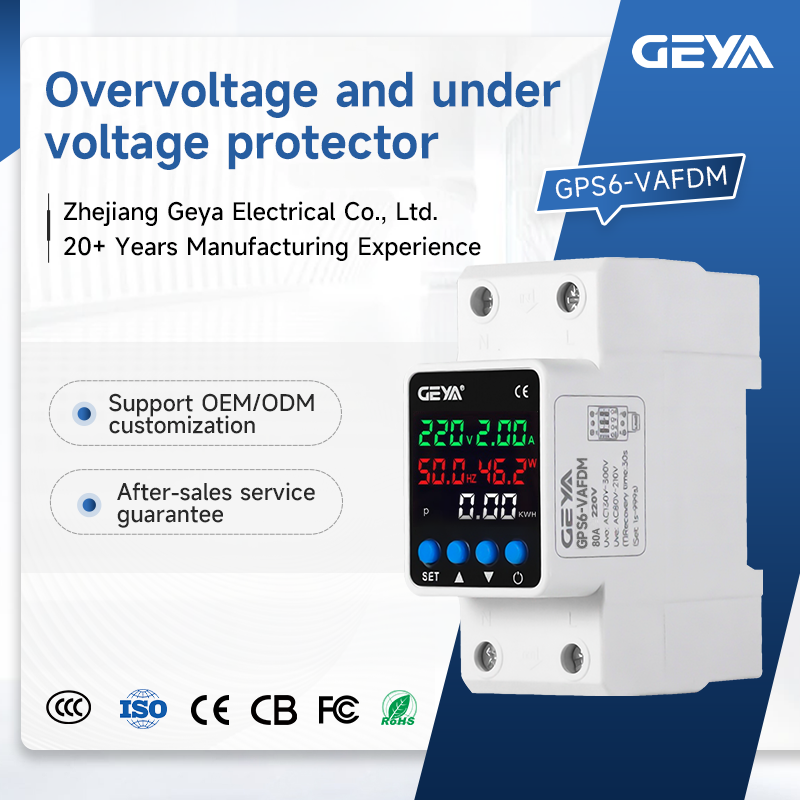
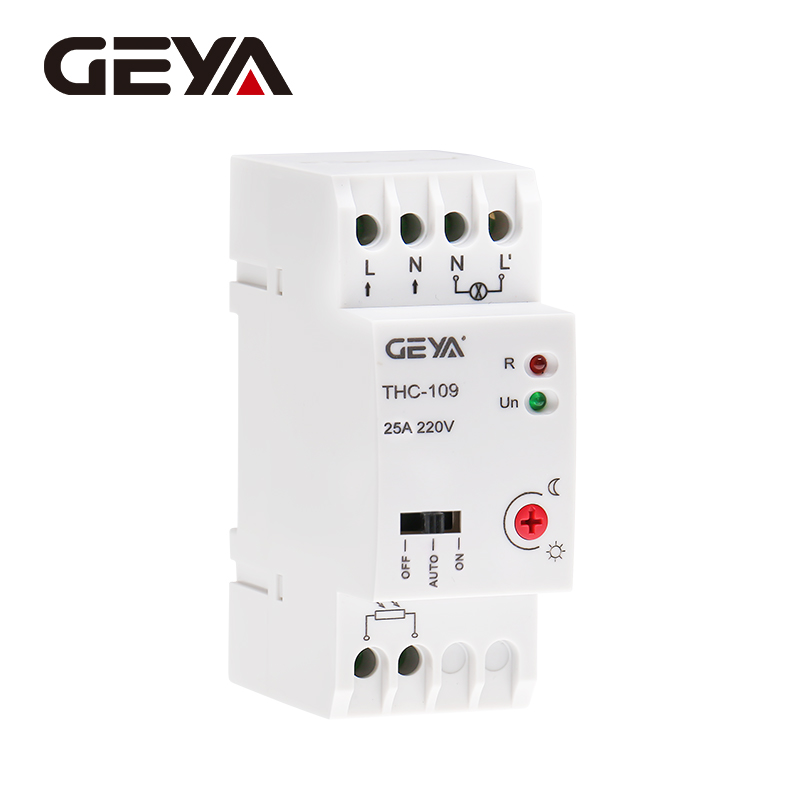


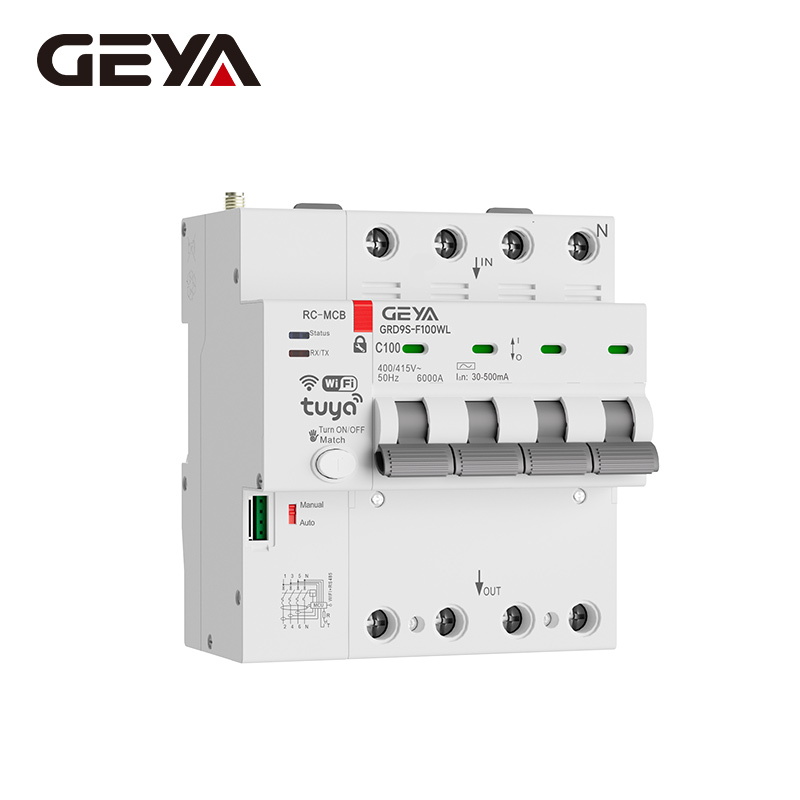
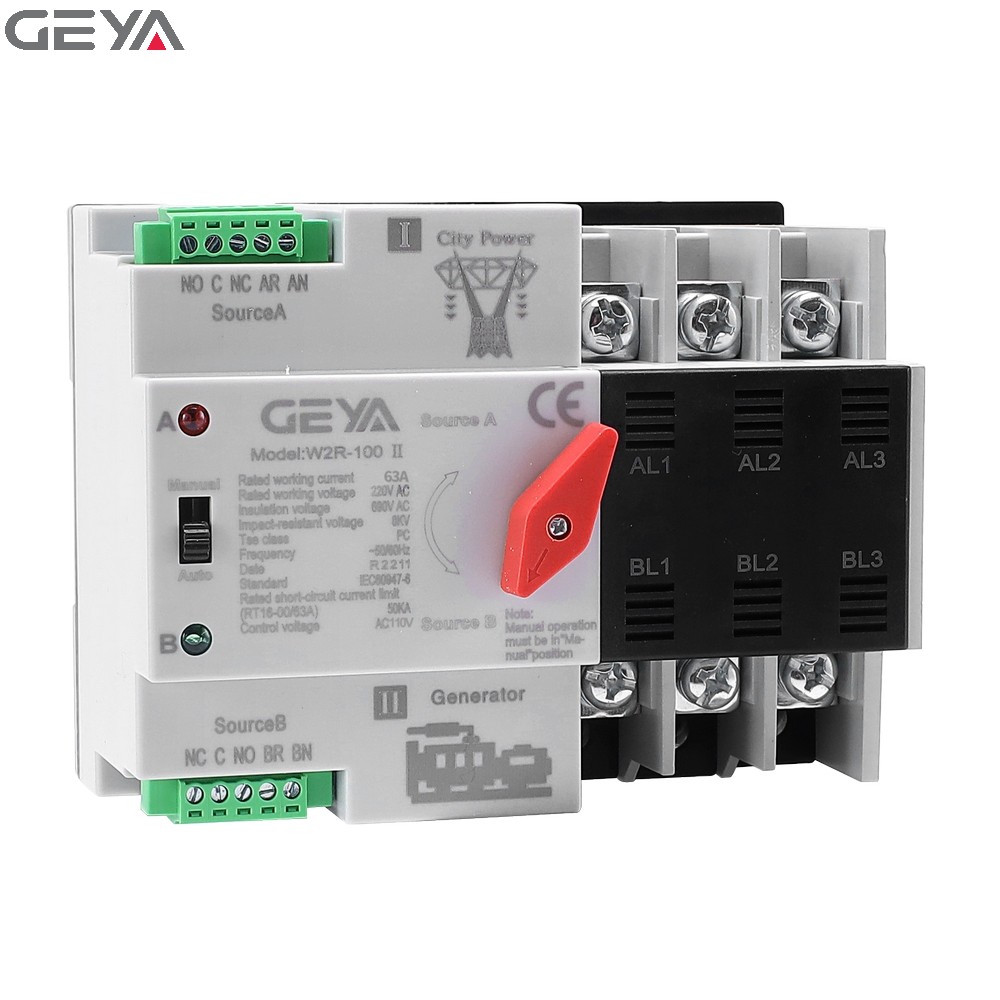
Technical Overview: Molded Case Circuit Breakers (MCCB) in Modern Power Distribution
As electrical infrastructure modernizes across industrial facilities, renewable microgrids, and commercial real estate, selecting a high-performance Molded Case Circuit Breaker (MCCB) becomes pivotal to system safety and uptime. Unlike standard Miniature Circuit Breakers (MCB) which primarily handle low-current residential circuits up to 125A, MCCBs are heavy-duty, glass-filled polyester modular units capable of protecting circuits from 15A up to 1600A with ultimate short-circuit breaking capacities ($I_{cu}$) exceeding 100kA at 415V/690V AC.
A precision-engineered OEM MCCB relies on four critical subsystems working in synchronized sequence under fault conditions:
Arc Extinguishing Grid
Utilizes multi-plate arc chutes made of insulated parallel steel plates. When contacts open under short-circuit stress, magnetic forces draw the electrical arc into the chute, cooling and splitting it into series sub-arcs until zero-crossing extinction occurs in milliseconds.
Electronic & Thermal Trip Units
Integrates dual-protection logic: bimetallic strips handle inverse-time thermal overloads, while electromagnetic solenoids or microprocessor-based Rogowski sensors execute instantaneous magnetic trip commands during severe overcurrent spikes.
Thermosetting Molded Case
Constructed from high-dielectric glass-fiber reinforced unsaturated polyester resin (BMC/SMC). Offers flame retardancy (UL94-V0 compliance), high mechanical impact strength, and structural stability up to 125°C ambient operational temperatures.
Key Electrical Ratings Demystified for OEM Sourcing
When engineering customized MCCB specifications for bulk procurement or panel building, engineering teams must evaluate six core IEC 60947-2 metric parameters:
| Rating Symbol | Technical Term | Engineering Significance for B2B Buyers |
|---|---|---|
| $I_n$ | Rated Current | Maximum continuous RMS current the breaker carries without abnormal heating (e.g., 100A, 250A, 400A, 630A, 800A, 1250A, 1600A). |
| $I_{cu}$ | Ultimate Short-Circuit Breaking Capacity | Peak short-circuit fault current (kA) the breaker can extinguish twice without causing fire or explosive rupture (O-t-CO test cycle). |
| $I_{cs}$ | Service Short-Circuit Breaking Capacity | The percentage of $I_{cu}$ (typically 50%, 75%, or 100%) at which the breaker can successfully trip and remain fully re-operable afterward. |
| $U_e$ / $U_i$ | Operational / Insulation Voltage | $U_e$ defines nominal system voltage (e.g., 400V/690V AC, 1000V DC). $U_i$ defines dielectric withstand test rating (up to 1000V). |
| $U_{imp}$ | Impulse Withstand Voltage | Peak transient voltage spike (typically 8kV to 12kV) the unit withstands without lightning surge flashover. |
| $I_{cw}$ | Short-Time Withstand Current | For Selectivity Category B breakers; capacity to carry fault current for a delayed interval (0.1s to 1s) to allow downstream breakers to clear faults first. |
Custom OEM & ODM Manufacturing Services
Partner directly with Zhejiang Henergy Electrical Co., Ltd. to tailor electrical characteristics, housing acoustics, physical branding, and trip curve dynamics to meet your local electrical code demands.
Custom Internal Mechanisms & Calibration
- Thermal Bimetal Calibration: Adjusted for tropicalized environments ($50^\circ\text{C}$ de-rating) or cold-climate sub-zero operation.
- Microprocessor (LSI/LSIG) Tuning: Custom firmware flashing for adjustable Long-time overload ($L$), Short-time delay ($S$), Instantaneous short circuit ($I$), and Ground fault ($G$) trip thresholds.
- Auxiliary Contact Integration: Factory installation of Shunt Trips ($MX$), Undervoltage Releases ($MN$), Auxiliary Switches ($OF$), and Alarm Contacts ($SD$).
Private Label & Enclosure Customization
- Laser Markings & Pad Printing: Imprint your registered brand logo, customized QR code serial tracking, and model numbering.
- Enclosure Colorway Options: Choice of high-impact PC/ABS or BMC housing colors (Industrial Gray, Pure White, Matte Black, Safety Orange).
- Bespoke Retail & Master Packaging: Custom artwork boxes, barcode labels, and multilingual instruction manuals compliant with EU/LATAM/North American importer regulations.
Global Procurement Trends & Technological Roadmap (2025–2030)
As energy systems transition toward decentralized solar PV, battery energy storage systems (BESS), electric vehicle charging stations (EVCS), and AI-driven data centers, low-voltage circuit protection is undergoing rapid technological disruption. Wholesalers and EPC contractors must align their inventory with three pivotal industry trends:
1. High-Voltage DC Circuit Breakers for Solar PV & Storage
Conventional AC MCCBs cannot break direct current due to the absence of a natural zero-voltage crossing point. Modern solar PV arrays operating at 1000VDC to 1500VDC require specialized DC MCCBs equipped with permanent magnetic blowouts that physically pull the DC arc into arc chutes. Sourcing DC-rated breakers (such as our GYM9 and heavy-duty DC MCCBs) is essential for solar EPC procurement pipelines.
2. IoT-Enabled Smart Circuit Breakers & Modbus/WiFi Metering
Circuit breakers are evolving from passive protection devices into active IoT data nodes. Today's commercial buyers demand smart breakers with embedded current transformers and voltage sensors. Integrated RS485 Modbus, ZigBee, or WiFi communications deliver real-time energy metering, contact temperature tracking, residual current leakage monitoring, and remote auto-reclosing via cloud applications.
3. Solid-State & Hybrid Circuit Protection
Solid-State Circuit Breakers (SSCB) utilizing Silicon Carbide (SiC) and Gallium Nitride (GaN) semiconductors deliver microsecond trip speeds—1,000 times faster than mechanical contacts. While traditional thermal-magnetic and electronic MCCBs remain the cost-effective backbone for global distribution, hybrid breaker topologies are emerging to eliminate arc flash hazards in ultra-sensitive mission-critical data centers.
Frequently Asked Questions (FAQ) for B2B Buyers
Technical and commercial guidance provided by Zhejiang Henergy Electrical's senior application engineering team.
What is the key difference between an MCCB, MCB, and ACB?
MCB (Miniature Circuit Breaker): Designed for low-current applications up to 125A, fixed trip settings, breaking capacity usually 4.5kA to 10kA. Ideal for final distribution boards.
MCCB (Molded Case Circuit Breaker): Covers current ratings from 15A to 1600A, featuring adjustable thermal-magnetic or electronic trip units. Breaking capacities range from 25kA to 100kA+. Used in main switchboards and sub-feeders.
ACB (Air Circuit Breaker): Used for high-power main incoming panels from 630A up to 6300A, with open-frame construction, draw-out mechanisms, and complex power quality monitoring capabilities.
How do I select between Thermal-Magnetic and Electronic Trip MCCBs?
Thermal-Magnetic MCCBs provide economical, robust protection for straightforward distribution networks with stable linear loads. Electronic Trip MCCBs feature digital microprocessors that allow precise adjustments of pickup currents ($I_r$, $I_{sd}$, $I_i$), time delays, and ground-fault protection. Choose Electronic Trip units when strict selective coordination (discrimination) or harmonic-rich non-linear loads are present.
What certifications are provided with Henergy electrical products?
Our quality management system is certified to ISO 9001. Depending on product ranges (MCCB, ATS, MCB, Protectors, Relays), products carry CE (European Conformity), CB Scheme certificates (IECEE), and SAA (Australia/New Zealand). Full test reports according to IEC 60947-2, IEC 60898-1, and IEC 60947-6-1 are available upon request during quotation.
What is the Minimum Order Quantity (MOQ) and sample lead time?
For standard distribution items (ATS, voltage protectors, relays), MOQ starts as low as 10 to 20 pieces per model. Custom OEM projects with private-label laser etching or customized packaging typically carry an MOQ of 100 to 500 units. Standard product samples ship within 3 to 5 business days.
Can Henergy support high-ambient temperature environments ($50^\circ\text{C}+$)?
Yes. Standard MCCB calibration is set at $40^\circ\text{C}$ ambient. For desert installations (e.g., Middle East, North Africa), we calibrate internal bimetallic elements or provide custom de-rating tables to ensure full rated capacity up to $55^\circ\text{C}$ without nuisance tripping.
Why Partner with Zhejiang Henergy Electrical Co., Ltd.
Located in Daqiao Industrial Zone, Beibaixiang Town, Yueqing, Wenzhou, Zhejiang—China’s epicenter of low-voltage electrical engineering.
SGS Onsite Verified
Independently audited onsite manufacturing facilities, confirming 10+ automated production lines, testing laboratories, and strict raw material verification.
Exported to 60+ Countries
Over 81% to 90% of total factory output is exported to electrical distributors, panel builders, and OEM brands across Europe, LATAM, Southeast Asia, and the Middle East.
Full In-House Quality Assurance
From stamping copper contact terminals to automated magnetic trip testing and high-voltage dielectric withstand testing, every finished device undergoes 100% inspection before shipment.
Accelerate Your Electrical Sourcing Today
Looking for a dependable OEM/ODM supplier for Molded Case Circuit Breakers, Automatic Transfer Switches, or Digital Voltage Protectors? Request custom technical quotations, CAD drawings, and test reports now.