Featured OEM Low-Voltage & Arc Protection Products
Explore our top-tier catalog of certified miniature circuit breakers, residual current devices, surge arresters, and smart transfer switches engineered for international OEM compliance.


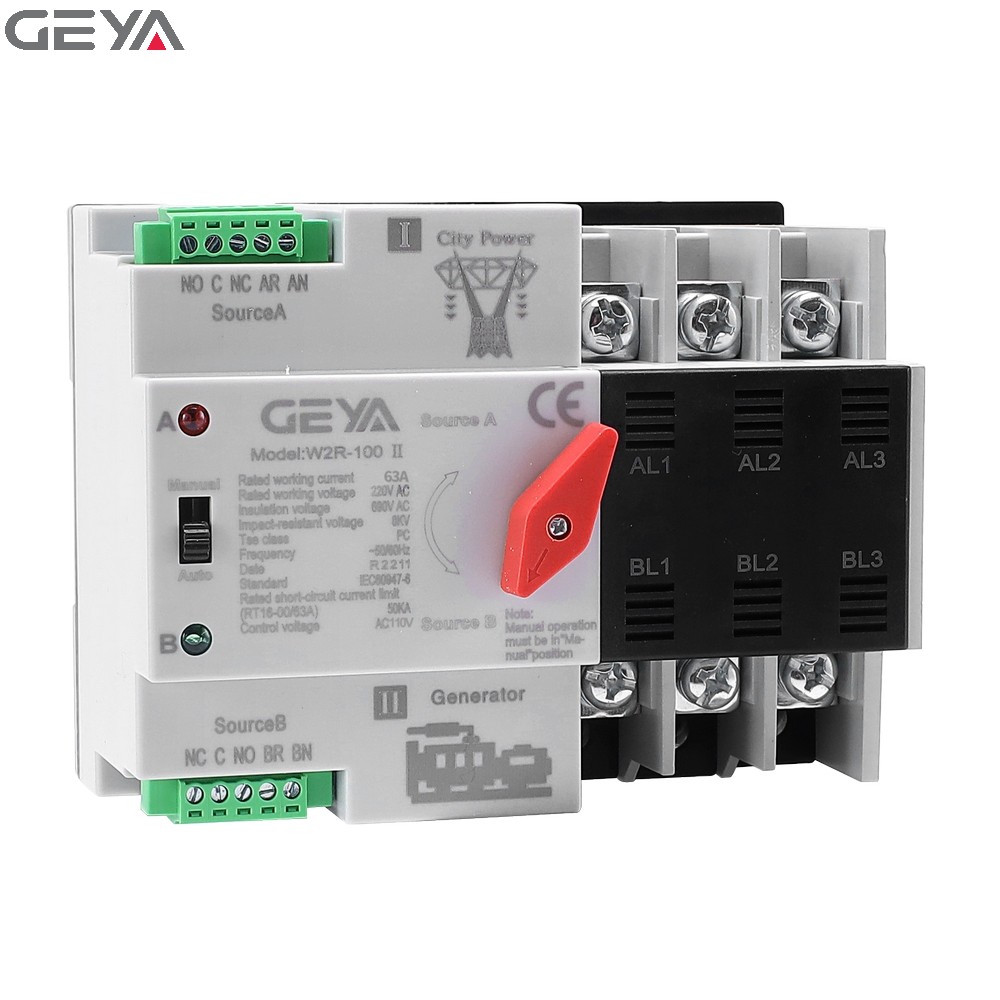
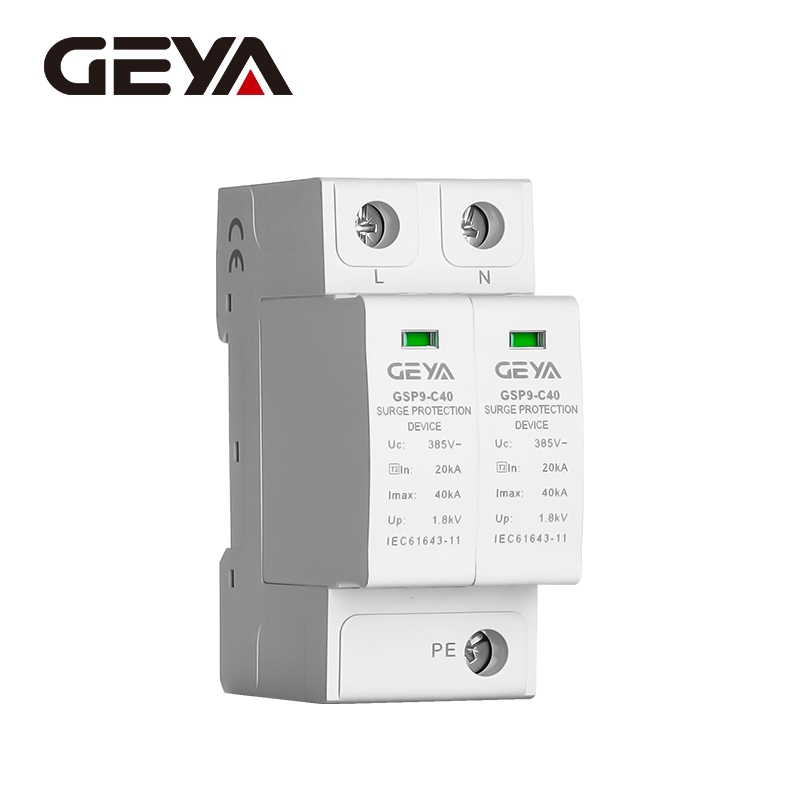
Executive Technical White Paper: Understanding Next-Gen Arc Fault Protection
Arc Fault Detection Devices (AFDDs) and Arc Fault Circuit Interrupters (AFCIs) represent the highest tier of thermal fire prevention in low-voltage electrical distribution infrastructure. While conventional Miniature Circuit Breakers (MCBs) protect exclusively against short-circuits and current overloads, and Residual Current Circuit Breakers (RCCBs / RCBOs) safeguard personnel against earth leakage currents, neither device possesses the frequency-spectrum analysis necessary to detect high-resistance series arcs.
An electrical arc generates localized temperatures exceeding 6,000°C. When a series arc occurs due to a loose terminal, broken conductor strand, or degraded contact points, the total current flow rarely exceeds the thermal trip curve of a standard MCB. This leaves electrical installations vulnerable to electrical fires. Custom OEM Arc Fault Protection devices integrate high-speed digital signal processors (DSPs) to analyze current waveforms, identifying unique high-frequency electrical noise signatures and erratic zero-crossing distortions that signify dangerous arcing.
Series Arc Mitigation
Detects micro-arcs occurring within a single conductor path caused by loose wiring terminals, worn cords, or damaged appliance switches.
Parallel Arc Interruption
Rapidly trips under line-to-neutral or line-to-earth breakdown before short-circuit ignition occurs, complementing standard magnetic protection.
Masking & False-Trip Suppression
Employs proprietary firmware algorithms to distinguish operational arcs (e.g., brushed motors, dimmer switches) from hazardous structural arcs.
Technical Matrix: Comparing Low-Voltage Protection Devices
To optimize panel build specs and custom OEM procurement, engineers must understand the distinct functional matrix of low-voltage switchgear components:
| Device Type | Overload Protection | Short-Circuit Protection | Earth Leakage (Ground Fault) | Series Arc Detection | Primary International Standard |
|---|---|---|---|---|---|
| MCB (Miniature Circuit Breaker) | Yes (Thermal) | Yes (Magnetic) | No | No | IEC / EN 60898-1 |
| RCCB (Residual Current Breaker) | No | No | Yes (30mA - 300mA) | No | IEC / EN 61008-1 |
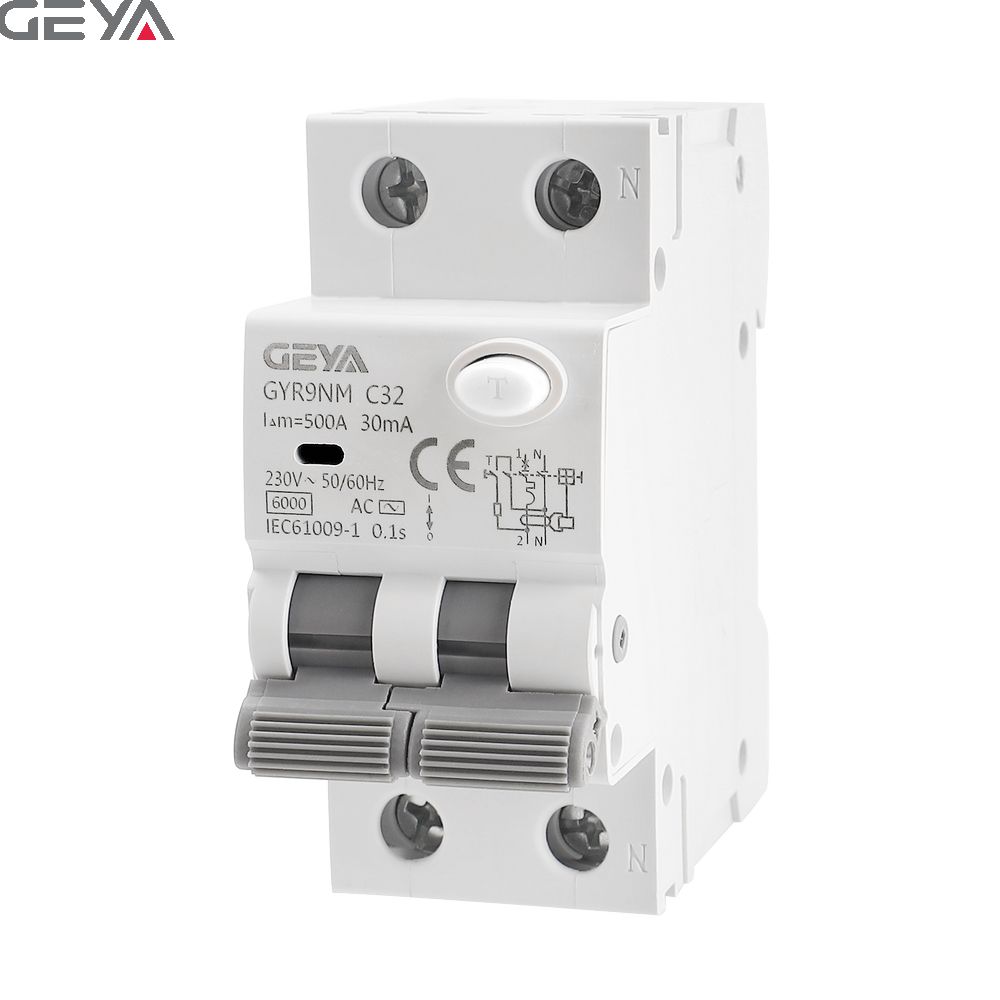
| RCBO (Residual Current + Overcurrent) | Yes | Yes | Yes | No | IEC / EN 61009-1 |
| AFDD / AFCI (Arc Fault Detector) | Optional (Integrated) | Optional (Integrated) | Optional (Triple-combo) | YES (Primary Function) | IEC 62606 / UL 1699 |
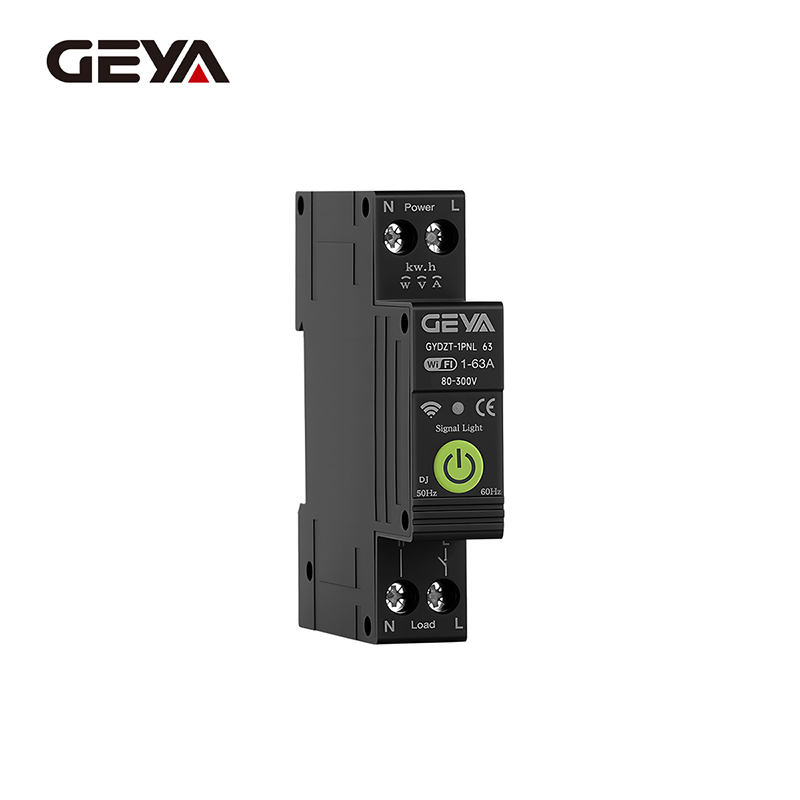
| Smart IoT Switch / Recloser | Programmable | Integrated MCB | Model Dependent | Optional Sensor OEM | IEC 60947-2 / Tuya / Zigbee |
Future Procurement & Technological Trends in Arc Protection (2025–2030)
As global power consumption shifts toward renewable microgrids, EV charging hubs, and high-density residential developments, the demands placed on electrical safety switchgear are undergoing rapid structural changes. Global buyers, electrical wholesalers, and OEM brand managers should align their sourcing strategies with four core technology trends:
1. Compact "All-in-One" Triple Combo Modules (AFDD+RCBO+MCB)
Legacy installations often lacked physical DIN-rail space for separate AFDD units. The market is shifting toward 1P+N single-module (18mm width) or 2-module compact configurations that combine overcurrent, earth leakage, and arc fault detection without enlarging distribution boxes.
2. Mandated Adoption in European & North American Build Codes
Standardization bodies including HD 60364-4-42 in Europe and NEC 210.12 in the United States are expanding mandatory AFDD zones to include high-risk premises: timber-framed buildings, daycare centers, historical structures, and sleeping accommodations. OEM buyers are securing pre-certified suppliers early.
3. Integration with Solar PV & Energy Storage DC Arc Detection
With high-voltage DC PV strings (up to 1500VDC) gaining market share, DC arc faults present severe flash risks. Future procurement priorities emphasize dual AC/DC AFCI module development compliant with UL 1699B for inverter and battery enclosure integration.
4. IoT-Enabled Predictive Arc Diagnostics & Smart Trip Logging
Modern AFDD units now incorporate RS485 Modbus, WiFi, or ZigBee protocols. Rather than simply tripping offline silently, smart AFDDs transmit real-time telemetry to facility managers, logging wave anomalies and enabling predictive maintenance prior to circuit shutdown.
Zhejiang Henergy Electrical Co., Ltd. — Your Trusted OEM/ODM Partner
Founded in February 2007 in Yueqing, Wenzhou — China's premier low-voltage electrical industrial cluster — Zhejiang Henergy Electrical Co., Ltd. brings over 16 years of direct manufacturing and OEM engineering experience to global importers, panel builders, and electrical brands.
SGS Onsite-Verified Manufacturing Base
Our 5,000–10,000 m² factory operates 10+ dedicated assembly lines under strict ISO 9001 quality system management, fully verified on-site by SGS Group.
Global Certification Compliance
We supply complete certificate documentation matching your precise order: CE, CB, SAA, UL, VDE, and CCEE, ensuring zero friction through international customs.
End-to-End OEM / ODM Capabilities
From custom shell colors, laser branding, and customized trip characteristics to complete retail packaging and multi-lingual user manuals.
Proven Commercial Track Record
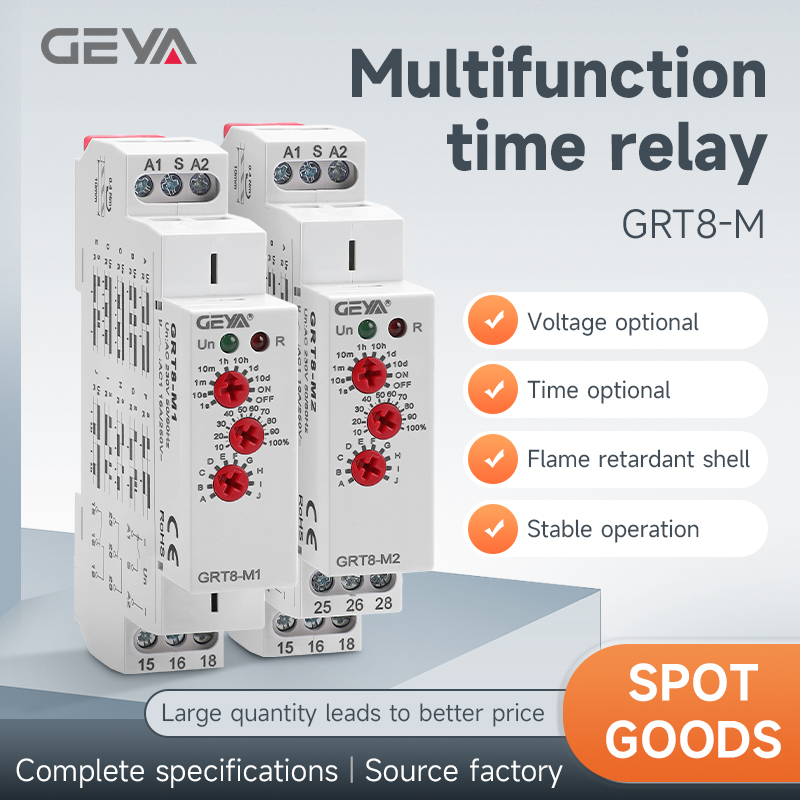
Ranked among top-selling factories for MCBs, ATS, and Relays. Serving buyers in over 60 countries across Europe, South America, Middle East, and Southeast Asia.
Frequently Asked Procurement & Technical Questions (FAQ)
Direct technical guidance provided by our senior application engineering team to support buyer sourcing evaluations:
1. What is the Minimum Order Quantity (MOQ) for custom OEM orders?
2. How does an AFDD prevent false nuisance tripping caused by household appliances?
3. Can you customize AFDD/AFCI protection parameters for specific national grid standards?
4. What is the difference between an MCB, RCBO, and AFDD in panel design?
5. What quality control steps are performed prior to shipment?
6. What international trade terms and payment options do you support?
Ready to Accelerate Your Electrical OEM Sourcing?
Partner with an SGS onsite-verified factory in Yueqing. Send us your target specifications, required certificates, and estimated order volumes. Our engineering sales team will deliver customized quotations within 24 hours.