CE & CB Certified Electrical Protection Portfolio
Direct factory supply of high-performance residual current relays, automatic transfer switches, surge arresters, and smart DIN-rail circuit breakers engineered for OEM global compliance.
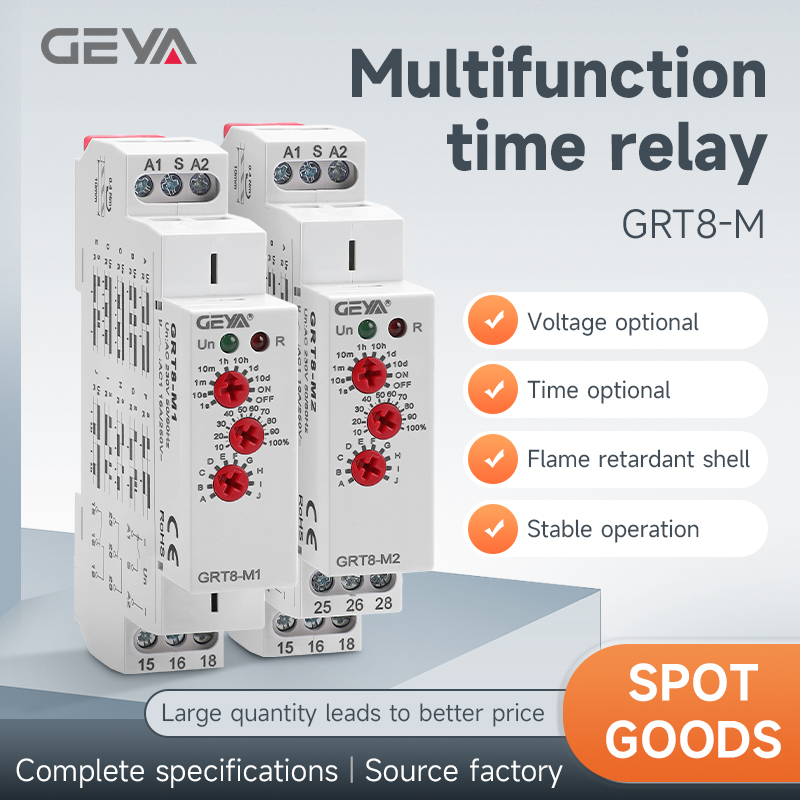

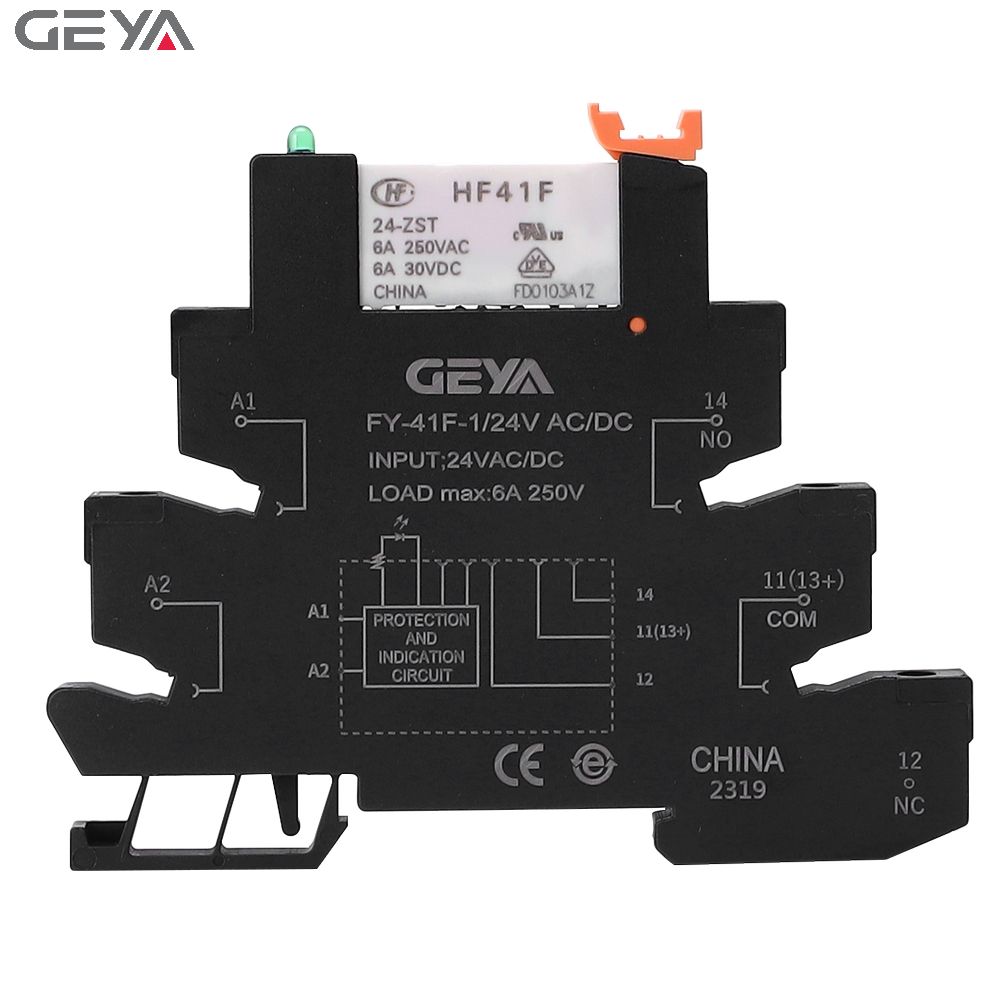

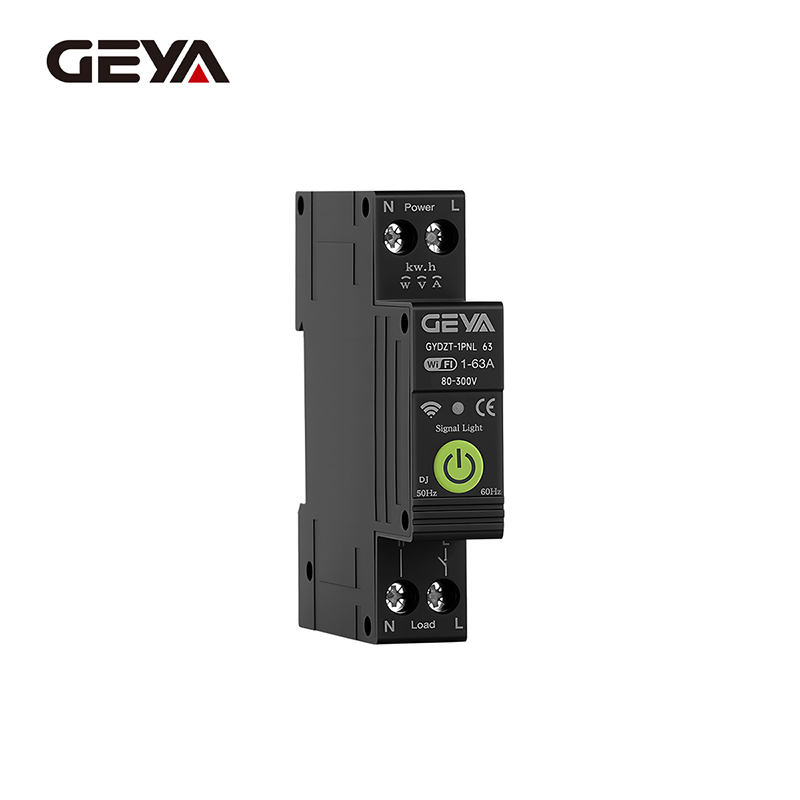
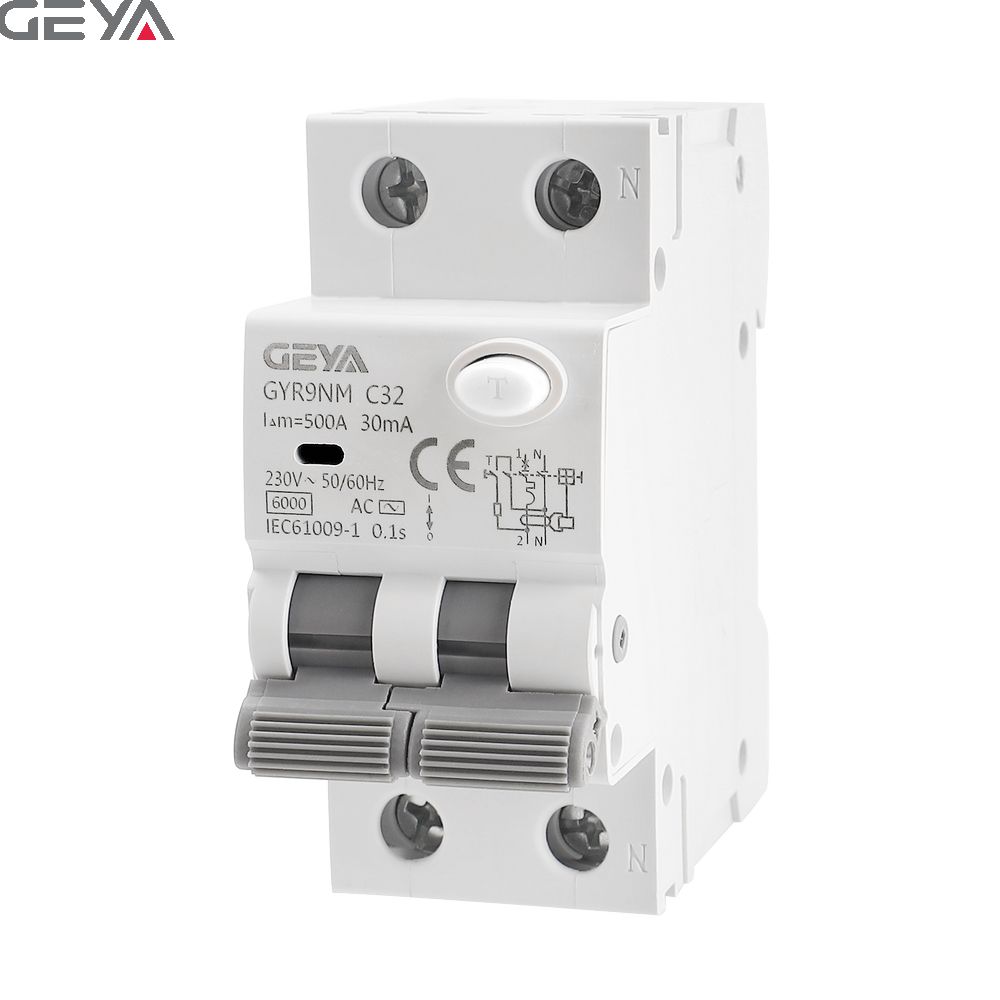

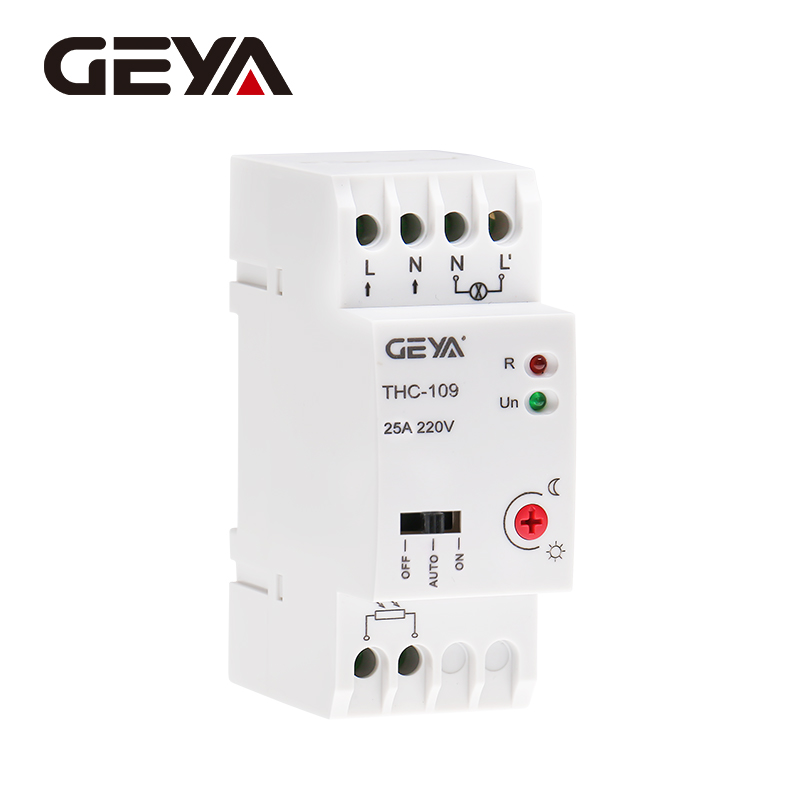
Engineering & Sourcing Standards for CE Certified Leakage Protection Relays
In modern industrial and commercial power distribution, ground fault protection is critical to electrical safety, fire prevention, and equipment longevity. A Leakage Protection Relay (also categorized under Residual Current Relays - RCR, or Earth Leakage Relays - ELR) continuously monitors vectors of phase and neutral currents using a high-permeability Zero-Sequence Current Transformer (ZSCT). When insulation breakdown, moisture ingress, or direct human contact causes stray earth currents exceeding safety thresholds, the relay instantly commands a trip coil to isolate the faulted branch.
As global regulatory frameworks enforce strict compliance—notably the European Union’s Low Voltage Directive (LVD 2014/35/EU) and Electromagnetic Compatibility Directive (EMC 2014/30/EU)—B2B buyers, original equipment manufacturers (OEMs), and panel builders must navigate complex technical metrics to select compliant manufacturers. Obtaining authentic CE Certification under international standards like IEC/EN 60947-2 Annex M and IEC/EN 62020 is no longer optional; it is a mandatory benchmark for international trade.
Core Industry Insight: Over 68% of operational trip failures in modern industrial plants stem from selecting Type AC leakage relays in circuits dominated by variable frequency drives (VFDs) and solar inverters. Modern CE-compliant factories emphasize Type A, Type F, and Type B residual current sensing to prevent magnetic core saturation caused by DC components and high-frequency harmonics.
Understanding Residual Current Sensing Classifications
When evaluating leakage protection relay manufacturers, electrical procurement directors must match the internal sensing topology with the targeted electrical load profile:
| RCD / Relay Type | Detectable Residual Waveforms | Typical Application Environments | CE Technical Reference Standard |
|---|---|---|---|
| Type AC | Pure Sinusoidal AC leakage current only | Standard resistive lighting, resistive heating, basic building wiring | IEC/EN 61008-1 / IEC 60947-2 |
| Type A | Sinusoidal AC + Pulsating DC residual currents | Single-phase electronics, IT servers, induction cooktops, power tools | IEC/EN 60755 / EN 61008-1 |
| Type F | Type A features + Composite high-frequency currents (up to 1kHz) | Single-phase variable speed heat pumps, washing equipment, HVAC inverters | IEC/EN 62423 |
| Type B | Type F features + Smooth pure DC residual current + High frequency up to 2kHz | Three-phase VFDs, EV Fast Chargers (DC), Solar PV Inverters, UPS systems | IEC/EN 62423 / IEC 60947-2 Annex M |
Technical Architecture of High-Reliability Leakage Relays
High-end leakage protection relays designed by top-tier exporters incorporate multi-stage signal processing to eliminate nuisance tripping while maintaining rapid response times (down to <30 milliseconds):
Toroidal ZSCT Core
Utilizes nano-crystalline or high-permeability mu-metal cores to ensure low phase displacement error and high sensitivity down to 10mA across wide operating temperature spectrums (-25°C to +70°C).
Microcontroller DSP
Digital Signal Processing algorithms execute Real-Time Fast Fourier Transform (FFT) analysis to distinguish genuine residual earth fault currents from transient switching surges.
Adjustable Delay (Δt)
Programmable trip time delay (0.05s to 5s) allows perfect selectivity cascading between main incoming circuit breakers and downstream branch distribution panels.
Future Procurement Trends & Product Development Vectors
Analysis of technology roadmaps driving global demand for smart, multi-functional leakage relays across renewable energy, electric vehicle infrastructure, and automated industrial plants.
1. IoT Integration & Real-Time Cloud Telemetry
Procurement preferences are shifting rapidly toward intelligent leakage relays equipped with RS485 Modbus-RTU, WiFi, or ZigBee communication protocols. Modern facility managers require predictive insulation degradation monitoring, allowing maintenance teams to track micro-ampere leakage trends via mobile apps or SCADA systems long before catastrophic insulation failure forces total shutdown.
2. Widespread Adoption of Type B Sensing for EV & Solar
With the exponential expansion of global Commercial & Industrial (C&I) solar PV arrays and EV charging infrastructure, traditional Type AC and Type A relays are being phased out by electrical codes. Global buyers are prioritizing factories capable of mass-producing cost-effective Type B leakage relays that reliably detect smooth DC leakage currents (>6mA DC) generated by solar inverters and EV onboard chargers.
3. Compact Modularization & Space Optimization
As control panel real estate becomes premium, manufacturers are shrinking 4-module width leakage relays down to 1-module (18mm) or 2-module DIN-rail footprints without sacrificing dielectric strength or thermal dissipation performance. Integrated current transformer design (embedded ZSCT) is increasingly preferred over external wiring configurations for low-amperage applications.
4. Auto-Reclosing & Self-Testing Automation
For remote, unmanned assets—such as 5G telecom base stations, highway traffic systems, and remote pumping stations—buyers demand smart reclosing leakage relays. These devices perform automated insulation check sweeps prior to reclosing, ensuring power restoration only when transient faults clear naturally while locking out permanent short circuits.
Why Top Global Brands Partner With Zhejiang Henergy Electrical Co., Ltd.
Founded in February 2007 in Yueqing, Wenzhou—China’s premier low-voltage electrical capital—Zhejiang Henergy Electrical Co., Ltd. delivers world-class circuit protection and control solutions.
SGS Onsite Verified
Our 5,000–10,000 m² modern manufacturing facility and operating systems are audited and certified onsite by SGS Group, providing international buyers with absolute supply chain transparency.
10+ Production Lines
Equipped with specialized automated lines for MCB, RCBO, ATS, and Relay production, supporting over 400 models across 100 series with a steady monthly output capacity.
Full CE, CB & SAA Suite
All core products hold authentic CE, CB, SAA, UL, and VDE certifications, supported by complete test reports from accredited laboratories for effortless customs clearance globally.
Export to 60+ Countries
Over 81%–90% of our total production is exported across Europe, South America, the Middle East, Southeast Asia, and Oceania, backed by 12+ years of OEM/ODM expertise.
Rigorous 3-Stage Quality Control Protocol
Incoming material inspection (IQC), 100% in-process calibration (IPQC), and pre-shipment dielectric breakdown & tripping accuracy testing (OQC) performed by certified quality control technicians using 9 specialized testing instruments.
Frequently Asked Questions by B2B Buyers & Importers
Clear, direct answers regarding minimum order quantities, certification scope, customization capabilities, and technical selection criteria.
What is the distinction between a Leakage Protection Relay (ELR) and an RCBO?
An RCBO (Residual Current Breaker with Overcurrent Protection) combines residual current protection, overcurrent protection, and manual switching mechanism into a single DIN-rail device designed for smaller current rating circuits (typically up to 125A). A Leakage Protection Relay (ELR) is an independent monitoring device used in combination with an external Zero-Sequence Current Transformer (ZSCT) and a shunt trip circuit breaker or contactor. ELRs are typically specified for high-amperage industrial switchboards (100A to 6300A), featuring adjustable trip thresholds (10mA–30A) and selectable time delays (0.05s–5s).
How do I verify the authenticity of CE certificates provided by China factories?
Legitimate CE certificates for low-voltage electrical switchgear must reference relevant harmonized European standards (such as EN 60947-2 or EN 61008-1) and be issued by a recognized Notified Body or an accredited laboratory registered under IAF/ILAC frameworks. At Zhejiang Henergy Electrical Co., Ltd., we provide complete CB Test Certificates (IECEE CB Scheme) alongside our CE Declarations of Conformity, allowing your engineering and compliance teams to verify test reports directly via official accreditation database portals prior to placing an order.
What Minimum Order Quantities (MOQ) apply for OEM private labeling?
For standard catalog items (relays, ATS, protectors), our MOQ starts as low as 10 to 20 pieces per model. For custom OEM projects requiring customized front-panel logo laser printing, customized trip rating curves, brand packaging boxes, and multi-language manuals, our typical MOQ is 100 to 500 pieces depending on the product line complexity.
How does a leakage protection relay prevent nuisance tripping caused by grid harmonics?
Modern CE-compliant leakage relays integrate active high-frequency low-pass filtering networks within their DSP microcontrollers. Transient switching surges (such as lightning strikes or capacitor bank switching) generate sharp high-frequency current spikes. Our relays filter out non-power-frequency noise (>400Hz) and employ RMS current calculation, ensuring the relay trips only when true power-frequency fault currents exceed safety limits.
What payment terms and Incoterms are accepted for international trade?
We support standard international commerce terms including FOB, CFR, CIF, EXW, FCA, CPT, CIP, DDP, and DDU. Accepted payment methods include T/T (Telegraphic Transfer), L/C at sight, D/P, D/A, PayPal, Western Union, and Credit Card payments in USD, EUR, GBP, AUD, and CNY.
Can your factory manufacture Type B residual current devices suitable for solar PV and EV chargers?
Yes. Our R&D engineering team produces advanced Type B residual current devices capable of sensing smooth DC leakage currents down to 6mA and high-frequency AC leakage up to 2kHz, fully meeting IEC/EN 62423 requirements for EV fast chargers, battery energy storage systems (BESS), and commercial solar inverters.
Partner with a Certified Electrical Protection Specialist
Whether you require standard DIN-rail leakage relays, high-capacity automatic transfer switches, or full-scale OEM development for regional distribution, our engineering team is ready to support your technical specifications.