Featured Low-Voltage & Solar Protection Devices
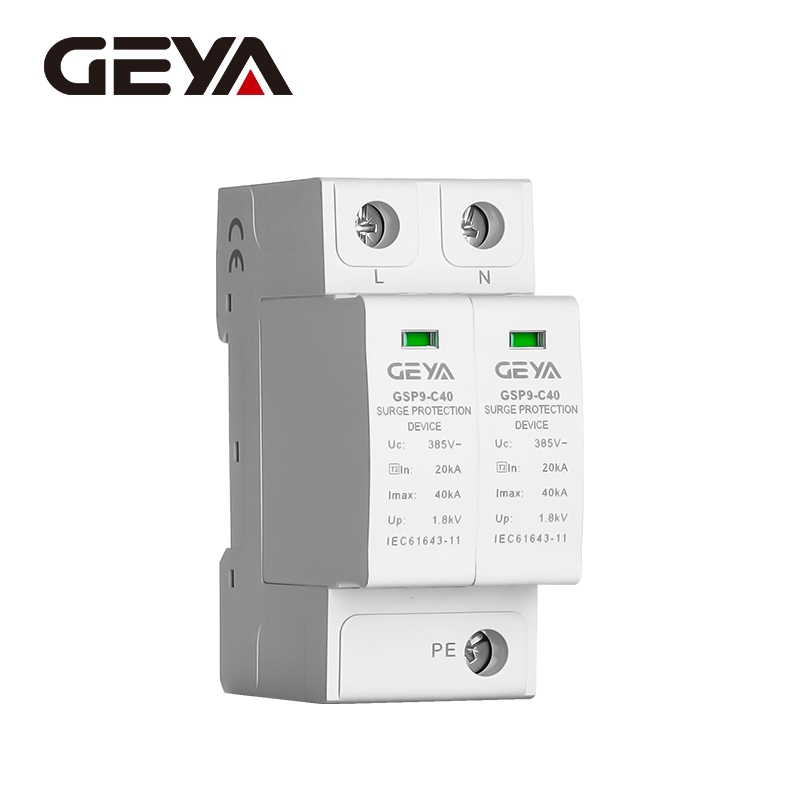
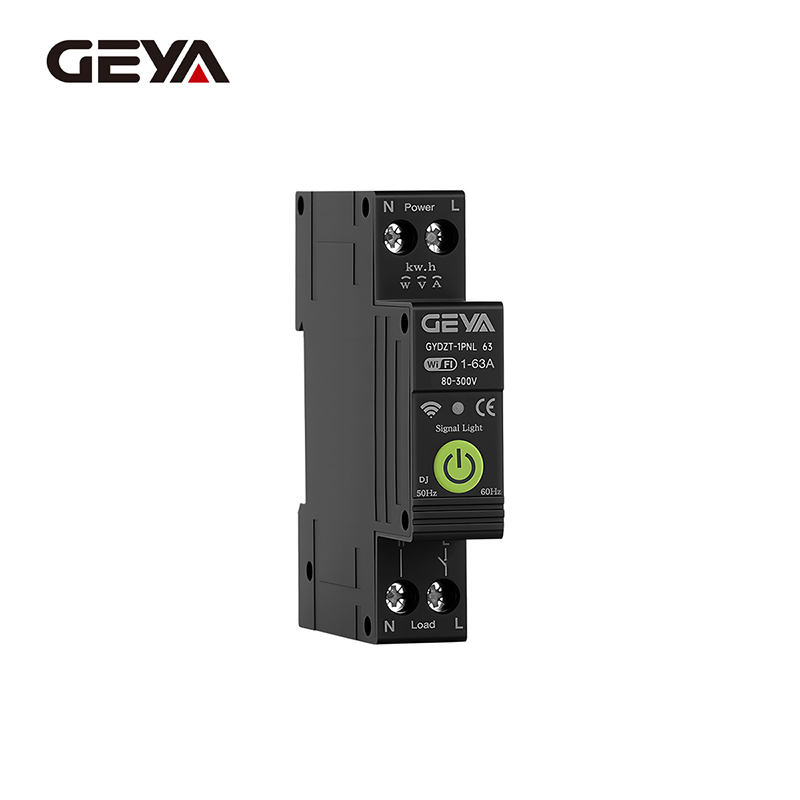


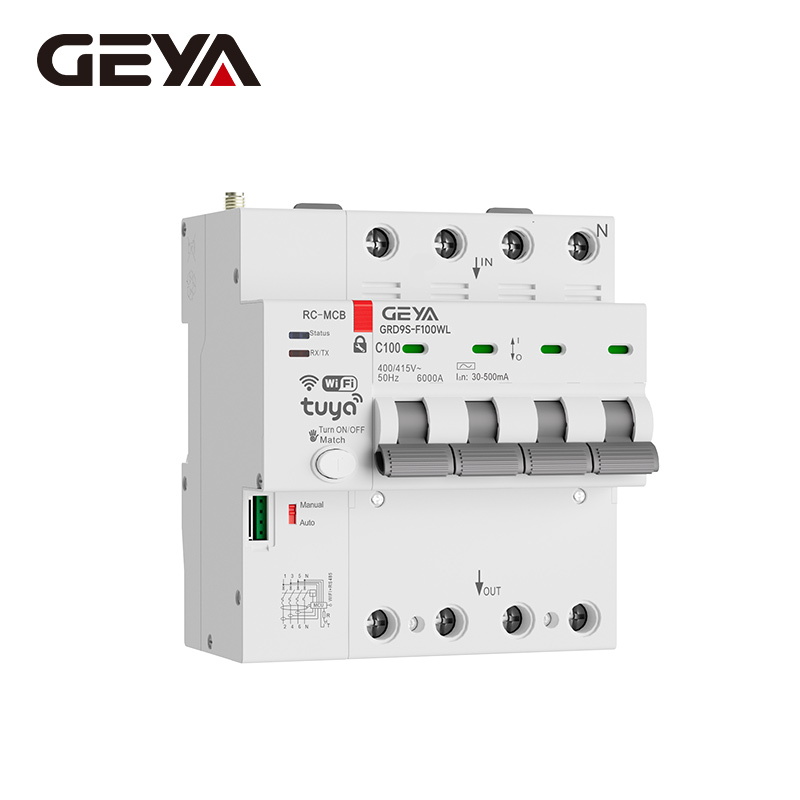
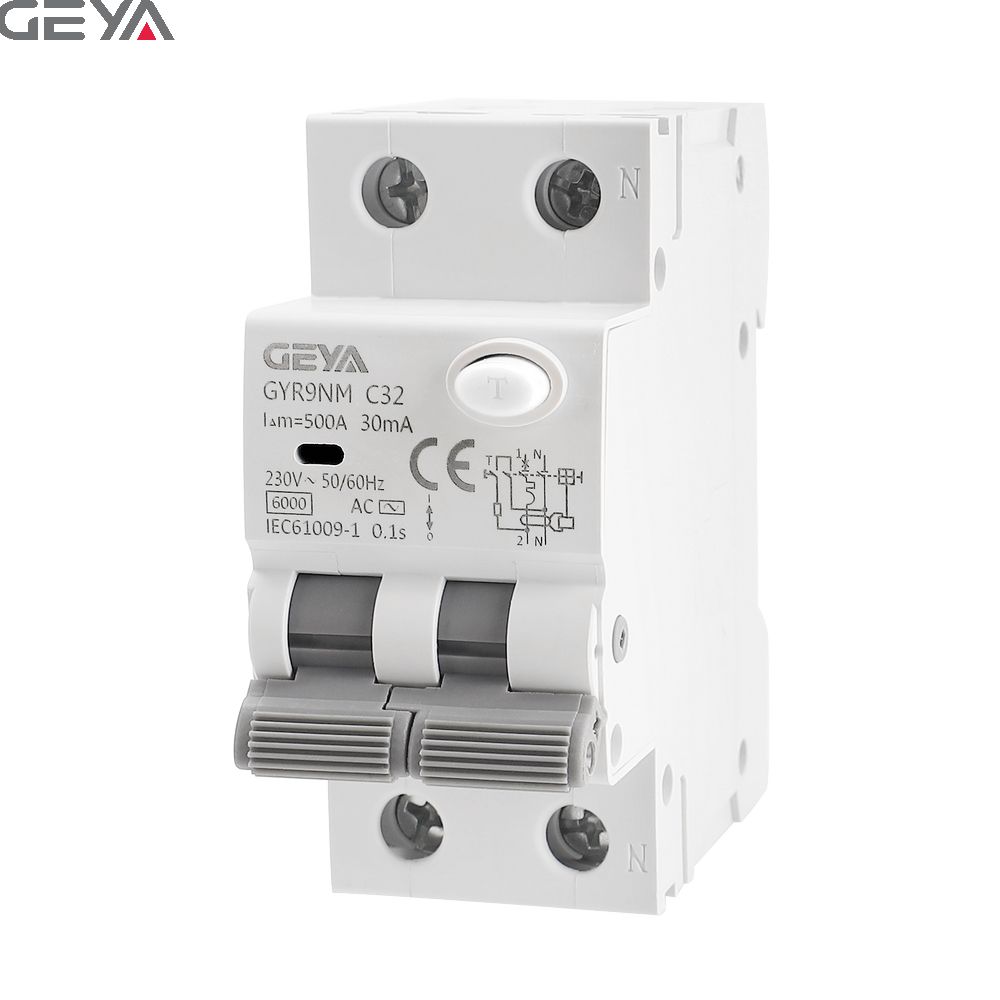

Verified Manufacturing & Global Supply Excellence
Zhejiang Henergy Electrical Co., Ltd. brings together engineering expertise, rigorous testing protocols, and certified quality management to empower clean energy systems worldwide.
Technical Whitepaper: Direct Current (DC) Arc Quenching & Circuit Interruption Engineering
In modern low-voltage electrical distribution, particularly within Solar Photovoltaic (PV) arrays, Battery Energy Storage Systems (BESS), and Electric Vehicle Charging Infrastructures (EVCI), Direct Current (DC) circuit protection presents distinct physics challenges compared to conventional Alternating Current (AC) systems. As a trusted CE certified DC miniature circuit breaker supplier & exporter, Zhejiang Henergy Electrical Co., Ltd. manufactures protective switches tailored to interrupt continuous non-zero-crossing DC fault currents safely and reliably.
1. The Physics of DC Arc Extinction vs. AC Zero-Crossing
Alternating Current naturally passes through zero voltage 100 to 120 times per second (in 50Hz/60Hz grids), providing a natural opportunity for dielectric recovery in the arc gap of a circuit breaker. In sharp contrast, Direct Current maintains a constant magnitude and direction without natural zero-crossing points. When a DC miniature circuit breaker (DC MCB) opens under load or fault conditions, an intense electrical arc is sustained across the separating contacts. Without specialized arc-quenching mechanisms, this high-temperature plasma arc can melt contacts, carbonize housing insulation, and cause catastrophic electrical fires.
Our engineering architecture incorporates a dual-action arc-control system consisting of high-strength magnetic blowout permanent magnets paired with multi-blade arc splitter chutes. When the silver-alloy contacts separate during an overcurrent trip, the permanent magnetic field exerts a Lorentz force ($F = q(\mathbf{E} + \mathbf{v} \times \mathbf{B})$) on the charged arc plasma, rapidly stretching and forcing the arc away from the contact tips into the arc chute. There, the arc is split into series sub-arcs, cooled below its ionization threshold, and extinguished in milliseconds.
2. Key Technical Specifications Matrix: AC vs. DC Circuit Breakers
| Parameter Feature | Standard AC MCB (IEC 60898-1) | Industrial DC MCB (IEC 60947-2 / EN 60898-2) |
|---|---|---|
| Current Zero-Crossing | Natural (every 10ms at 50Hz) | None (Requires forced magnetic arc quenching) |
| Rated Operational Voltage ($U_e$) | 230V / 400V AC | 12V to 1500V DC (Series multi-pole arrangement) |
| Arc Extinction Method | De-ion grid & thermal expansion | Permanent magnet blowout + multi-plate arc chute |
| Polarity Sensitivity | Non-polarized | Polarity-specific or Bi-directional optimized |
| Ultimate Breaking Capacity ($I_{cu}$) | 4.5kA / 6kA / 10kA | 6kA to 10kA at up to 1000V/1500V DC |
| Trip Curves Available | B, C, D curves | B, C, D curves (Tailored for solar string inrush) |
3. CE Compliance and Harmonized International Standards
Exporting low-voltage protective devices into European and global markets requires strict compliance with relevant Directives. The CE marking on Henergy DC Miniature Circuit Breakers indicates full conformity with the Low Voltage Directive (LVD) 2014/35/EU and Electromagnetic Compatibility (EMC) Directive 2014/30/EU. Tested under EN 60947-2 (for industrial switchgear) and EN 60898-2 (for DC circuit breakers in household/similar installations), our breakers undergo rigid verification for short-circuit breaking capacity ($I_{cu}$ and $I_{cs}$), electrical endurance at rated current, temperature rise limits, and insulation breakdown withstand up to 4kV impulse voltage ($U_{imp}$).
Core Competencies & Engineering Superiority
Precision Thermal-Magnetic Trip
Bimetallic strips calibrated for accurate overload protection, coupled with fast-acting electromagnetic trip coils for instantaneous short-circuit clearing under 10ms.
Solar PV & BESS Ready
Rated operational voltages spanning 250VDC (1P), 500VDC (2P), 750VDC (3P), and 1000V/1500VDC (4P) specifically designed for PV combiners and battery racks.
Flame-Retardant Thermoplastic
Molded housings made from high-impact, fire-resistant polyamide (PA66) with UL94-V0 rating, preventing flame spread during electrical flashover events.
Extended Electrical Endurance
Mechanically rated for 20,000 switching operations and electrically rated for 8,000 operations under full load, ensuring decades of field reliability.
IoT Smart Connectivity
Integrates optional smart telemetry (Tuya, RS485, Modbus) for real-time remote tripping, current/voltage metering, and fault diagnostics via cloud platforms.
Standard 35mm DIN Rail Mount
Modular width (18mm per pole) conforming to standard distribution panel cutouts, facilitating seamless retrofitting into standard consumer units.
Future Sourcing & Procurement Trends in DC Circuit Protection (2025–2035)
As global energy infrastructure transitions rapidly toward electrification, decarbonization, and smart digital grids, the market for Direct Current circuit protection is undergoing profound evolution. Engineering procurement teams, OEM brand managers, and electrical wholesalers must adapt their purchasing strategies to align with emerging global technical standards and supply chain dynamics.
1. Evolution Toward Higher System Voltages (1500V DC Architecture)
In utility-scale solar farms and commercial energy storage systems, moving from traditional 1000V DC arrays to 1500V DC topologies yields significant balance-of-system (BOS) savings by reducing cable cross-sections and combiner box counts. Consequently, procurement demand is shifting rapidly from standard 500V/800V DC breakers to high-isolation 1000V and 1500V DC miniature and molded-case circuit breakers ($I_{cu} \ge 10\text{kA}$). Importers must verify that suppliers utilize optimized multi-pole series connection designs and upgraded creepage distances (minimum 12mm) to prevent arc tracking across phase barriers.
2. Rise of Smart IoT Circuit Breakers & Predictive Maintenance
Industrial facility managers and solar O&M providers no longer accept passive protection components. The future of low-voltage switchgear belongs to smart IoT-enabled DC MCBs. Integrating Wi-Fi, ZigBee, or RS485 Modbus telemetry directly into DIN-rail modules enables remote open/close switching, real-time energy metering, temperature monitoring at terminal clamps, and predictive overload alerts. Procurement directors are increasingly favoring OEM manufacturers capable of supplying custom firmware, Tuya smart ecosystem integration, and remote firmware-over-the-air (FOTA) update support.
3. Demand for Non-Polarized (Bi-Directional) Protection in BESS
Battery Storage Systems experience bi-directional power flow: charging (current flows into the battery) and discharging (current flows out to the inverter). Traditional directional DC MCBs depend on a specific magnetic blowout orientation (+ to -); wiring them in reverse leads to catastrophic failure during trip events. Modern procurement specifications strictly demand non-polarized (bi-directional) DC miniature circuit breakers equipped with dual magnetic blowout coils. This guarantees complete arc-quenching capability regardless of current flow direction, eliminating installation errors on job sites.
4. Sustainable Manufacturing & Supply Chain Resilience
With Europe enforcing the Carbon Border Adjustment Mechanism (CBAM) and stricter Eco-design requirements, international buyers are prioritizing suppliers who demonstrate sustainable factory operations. Zhejiang Henergy Electrical Co., Ltd. leads this shift by implementing RoHS-compliant lead-free contact alloys, recyclable PA66 housing plastics, and energy-efficient automated assembly lines in Yueqing, Wenzhou. Furthermore, offering flexible Incoterms (FOB, CIF, DDP, DAP) and multi-currency billing ensures frictionless supply chain integration for overseas importers.
Enterprise Background & Manufacturing Excellence (Henergy Electrical)
Zhejiang Henergy Electrical Co., Ltd., established in February 2007, is situated in Yueqing, Wenzhou—China's world-renowned low-voltage electrical capital. As an SGS onsite-verified manufacturer, Henergy specializes in the research, development, and high-volume production of circuit breakers, automatic transfer switches (ATS), voltage & current protective relays, and modular timer switches.

Complete In-House Quality Control Framework
Unlike trading companies or outsourced assemblers, Henergy operates a fully integrated 5,000–10,000 $\text{m}^2$ manufacturing facility equipped with over 10 automated assembly lines. Our production quality control follows a rigorous 3-stage inspection protocol:
- IQC (Incoming Quality Control): XRF material testing on copper busbars, silver contact point purity verification, and polymer flame-retardancy testing.
- IPQC (In-Process Quality Control): 100% automated calibration of thermal trip bimetals and instantaneous magnetic force thresholds.
- OQC (Outgoing Quality Control): High-potential dielectric voltage withstand testing and mechanical switching endurance validation before packing.
OEM / ODM Customization & Global Export Footprint
With over 12 years of private-label production experience for international electrical brands, Henergy supports comprehensive OEM/ODM solutions. We offer customized current ratings (1A to 125A), custom voltage calibration, personalized front-panel laser marking, branded retail color boxes, and multi-language instruction manuals. Exporting to over 60 countries across Western Europe, South America, the Middle East, Southeast Asia, and Oceania, our products carry international credentials including CE, CB, SAA, UL, and ISO 9001 certifications.