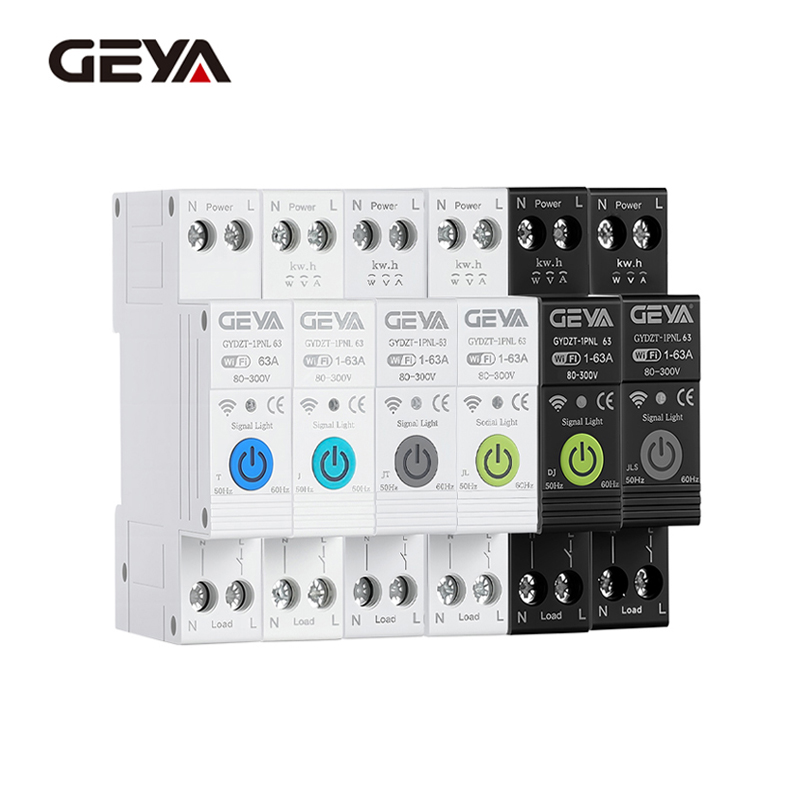


Technical Deep-Dive: Engineering Standards for Automatic Changeover Switches (ATS)
In modern low-voltage electrical distribution infrastructure, the critical necessity of uninterrupted power supply has driven Automatic Changeover Switches (also termed Dual Power Automatic Transfer Switches or ATS) to the forefront of electrical safety architecture. An Automatic Changeover Switch is an intelligent, high-endurance electromechanical assembly configured to shift a load connection automatically between a primary source (usually the municipal utility grid) and a secondary emergency source (such as a diesel generator, energy storage system, or auxiliary photovoltaic inverter) upon detection of voltage drops, phase failure, or total blackout.
From an engineering perspective, compliance with international directives—most notably IEC 60947-6-1 and EN 60947-6-1—is non-negotiable. B2B procurement professionals, EPC contractors, and electrical panel builders must evaluate ATS equipment not merely on price per unit, but on operational switching speed ($t_{transfer}$), short-circuit withstand rating ($I_{cw}$), electrical endurance cycles, and thermal stability under high continuous load stress.
Architectural Classification: PC Class vs. CB Class ATS Systems
When specifying dual power changeover hardware for enterprise distribution cabinets, decision-makers must distinguish between the two core structural topologies defined by international standards:
PC Class ATS Switchgear
Utilizes an integrated solenoid or motor drive mechanism without internal overcurrent trip units. Offers exceptionally high short-circuit making and withstand capacities ($I_{cm} / I_{cw}$), making it ideal for critical industrial infrastructure and medical facilities requiring maximum robust physical endurance.
CB Class ATS Switchgear
Constructed by coupling two circuit breakers (MCBs or MCCBs) with a mechanical and electrical interlock. Includes active thermal-magnetic overcurrent protection modules, functioning both as a power transfer device and downstream cable protection apparatus.
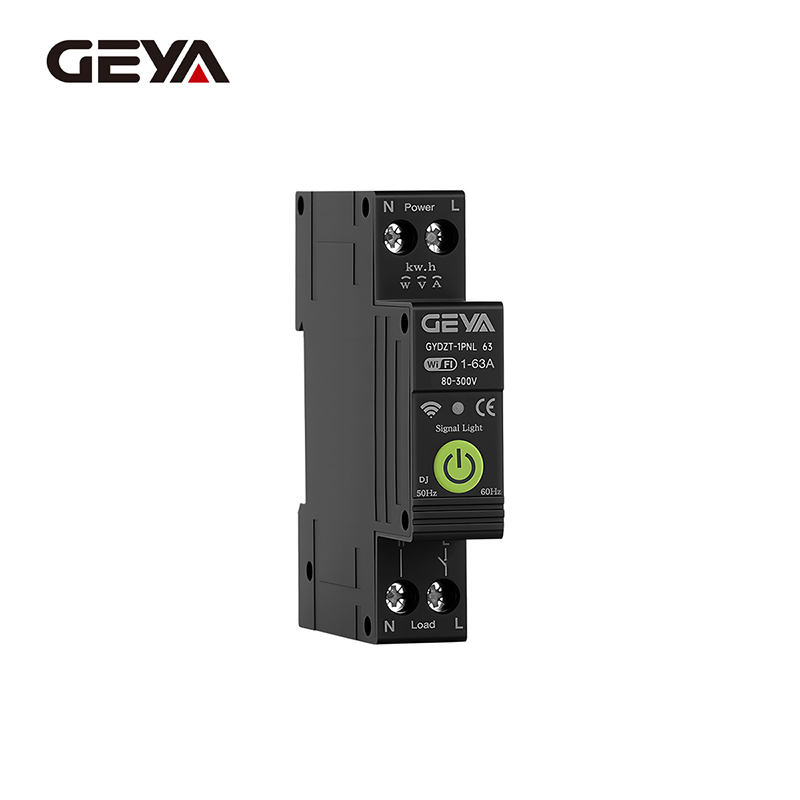
Smart DIN-Rail Modular ATS
Compact form-factor units (such as 2P/4P 63A-125A models) tailored for standard 35mm DIN rail mounting within residential sub-distribution boards, solar hybrid generator units, and telecom base stations.
Comparative Technical Specification Matrix
To assist global buyers and system integrators in hardware selection, the following data matrix summarizes key performance thresholds across standard product categories:
| Performance Parameter | DIN Rail Modular ATS (16A–63A) | Molded Case ATS (100A–630A) | Smart IoT Integrated ATS |
|---|---|---|---|
| Target Application | Residential, Solar PV Backup, Telecom | Commercial Facilities, Heavy Industry | Microgrids, Smart Buildings, Data Centers |
| Transfer Time ($t_{s}$) | < 50 ms (Fast Execution) | 100 ms – 300 ms | Programmable (10 ms – 3 s) |
| Reference Standard | IEC/EN 60947-6-1, CE, CB | IEC/EN 60947-6-1, ISO 9001 | IEC 60947-6-1, RED Directive |
| Communication Protocol | Dry Contact Signal / Optional Modbus | RS485 / Modbus-RTU | Tuya WiFi, Zigbee, RS485, Cloud API |
| Dielectric Strength | 2.5 kV (50Hz, 1 min) | 4.0 kV (50Hz, 1 min) | 2.5 kV (50Hz, 1 min) |
Future Sourcing & Technological Trends in Dual Power Switching (2025–2030)
The global transition toward decentralized renewable energy, coupled with the exponential installation of Battery Energy Storage Systems (BESS), is revolutionizing the requirement profile for dual power changeover switches. Sourcing managers and OEMs must adapt to three emerging industry megatrends:
1. Seamless Photovoltaic-Grid-Generator Hybrid Topology
Conventional transfer switches operated purely under a two-source priority model (Grid Primary vs. Generator Secondary). Future-ready changeover systems feature intelligent multi-channel inputs capable of negotiating dynamic switching parameters between Solar Inverter output, Grid tariff schedules, and automatic standby generator auto-start contacts. Switches equipped with adjustable phase delay parameters prevent voltage back-feed transients during transition.
2. IoT Connectivity and Remote Predictive Maintenance
Smart ATS modules featuring embedded WiFi, ZigBee, or RS485 interfaces now stream real-time operational metrics—including line voltage, load current, frequency drift, arc fault events, and contact temperature—directly to cloud telemetry dashboards. Predictive algorithms analyze contact erosion and relay response times, alerting facility management before catastrophic hardware failure occurs.
3. Compact Form-Factor & Enhanced Thermal Dispersal
As space inside industrial control cabinets commands a high premium, manufacturers are leveraging flame-retardant VO grade polycarbonate materials and silver-alloy contact bridge geometries. This delivers higher rated short-time withstand currents ($I_{cw}$) within smaller physical dimensions while minimizing thermal heat accumulation during continuous full-load execution.
Global Sourcing Framework & Quality Control Checklist for B2B Buyers
Selecting a certified supplier in China's competitive electrical hub requires rigorous due diligence to eliminate risk in cross-border procurement. When sourcing high-volume changeover switches and protective relays, buyers should execute the following verification steps:
- Verify True Factory Ownership: Differentiate between pure trading intermediaries and genuine onsite-verified manufacturers (e.g., SGS verified production plants featuring automated stamping and testing lines).
- Audit Test Certificates for Exact Ratings: Ensure CE, CB, and SAA certificate test reports specify the exact rated current ($I_n$) and operating voltage ($U_e$) required for your market, rather than a single baseline model.
- Insist on 100% End-of-Line Dielectric Testing: Mechanical and electrical performance testing must be conducted on every finished unit prior to export packing to guarantee zero out-of-box failure rates.